






















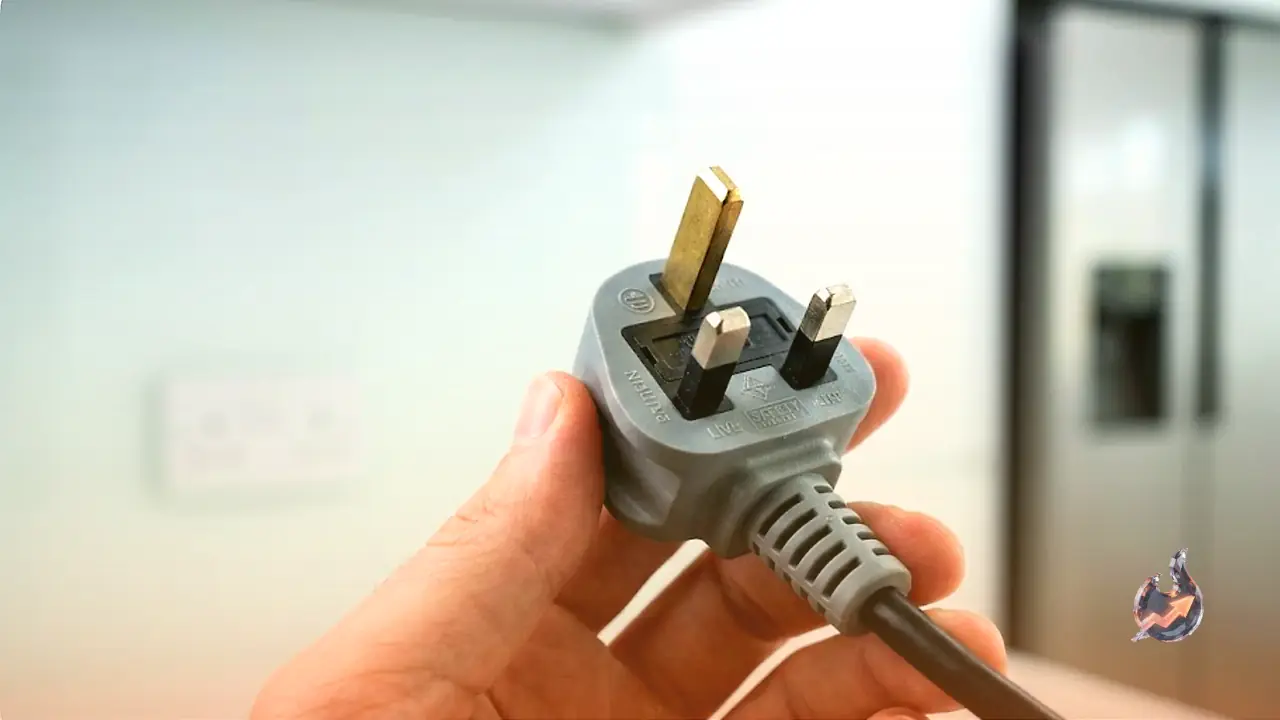

Have you ever noticed that the 3-pin plug used for your refrigerator or air conditioner features one pin that is notably longer and thicker than the other two? If you assume this is merely an aesthetic design choice, you are significantly mistaken. This specific feature is a sophisticated piece of engineering designed specifically to protect you from hazardous electrical shocks while using heavy home appliances.
The Critical Role of Earthing
The primary function of this longest and thickest pin is to ensure your personal safety. This is a direct measure to prevent electric accidents. When you insert the plug into an electrical socket, this particular pin enters the socket before the other two pins. This timing is vital; if there is any electrical leakage within your refrigerator or air conditioner, the stray current is diverted directly to the ground (earth) through this pin before the device even receives power. Essentially, it clears a safe path for potential surges, ensuring they never travel through your body.
Metal Versus Plastic Construction
A common question arises: why is this 3-pin system reserved for heavy machines like refrigerators, air conditioners, or washing machines, while smaller gadgets use simpler plugs? The answer lies in the outer structure of these appliances. Large home appliances typically feature bodies made of metal. Since metal is a conductor of electricity, the risk of current leakage appearing on the exterior surface is significantly higher.
In contrast, smaller devices such as mobile chargers, televisions, or trimmers pose a much lower risk of electrical leakage because their outer casings are predominantly made of plastic. Therefore, a 2-pin plug suffices for these devices. However, if heavy machines are not properly grounded, touching them during a leak could result in a severe electric shock. This is precisely why the use of 3-pin plugs is strictly mandatory for high-load appliances.
Why the Length Matters
The intentional extra length of this pin serves a technical necessity. As you slide the plug into the socket, this longer pin establishes the ground connection first. This means the earthing system is fully activated and functional before the phase and neutral connections are even established. Consequently, if the device already has a fault or short circuit, the electricity will instantly flow into the ground, preventing any current from passing through your body when you switch on the device.
The Reason for the Thickness
Beyond the length, the thickness of this pin is also critical for two main reasons. First, it acts as a physical safety barrier preventing users from accidentally inserting the plug upside down or into the wrong holes. If this pin were thinner, it could potentially be forced into the wrong slot, creating a dangerous imbalance between the phase and neutral connections and leading to a significant short circuit.
Second, this follows a fundamental principle of physics. According to electrical science, the thicker a wire or pin is, the lower its electrical resistance. Lower resistance allows current to flow much more easily and rapidly toward the earth. Furthermore, by reducing resistance, the pin prevents the buildup of excessive heat, which significantly lowers the risk of the plug melting or catching fire. Next time you look at that 3-pin plug, remember that it is not just a connector; it is a vital safety guard for your household.