

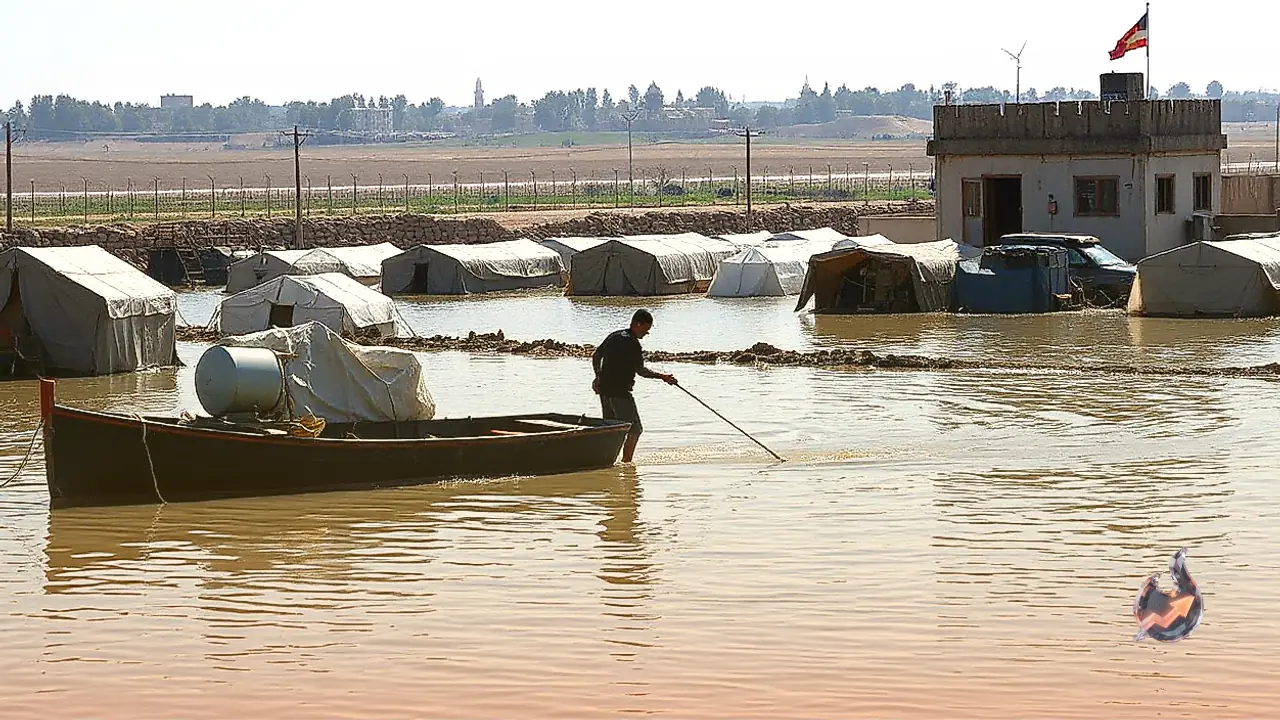














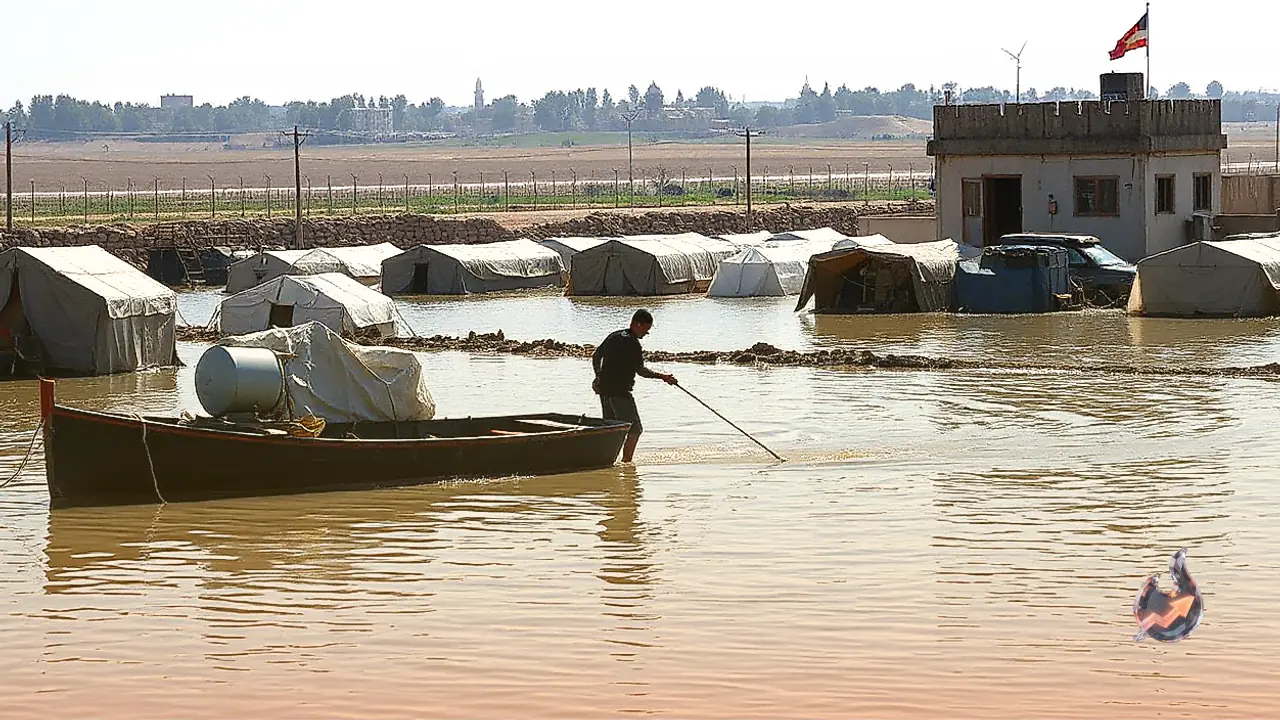

Torrential rainstorms swept through Gaza over the weekend of November 8, overwhelming already damaged sewage networks and makeshift shelters. In camps such as Al Maghazi, floodwaters rose well over a foot deep inside tents, compounding the misery of displaced residents who are already struggling to survive amid ongoing conflict and destruction.
The Dilemma of Water Versus Sewage Pumping
Municipal engineer Imad Abdel Jawad explains the impossible choices local authorities face on a daily basis. The diesel required to run drainage pumps is taken directly from the fuel allocation intended for wells that pump drinking water, creating a critical shortage where supplying clean water is already severely constrained. Portions of Al Maghazi sit on low ground where rainwater accumulates without a natural outlet, forcing maintenance teams to manually pump water away from displacement sites.
Widespread Destruction of Shelter and Infrastructure
The flooding follows the catastrophic destruction of housing across the territory. Assessments conducted by the European Union, the United Nations, and the World Bank revealed that more than 371,888 housing units have been damaged or destroyed, displacing approximately 1.9 million people, often multiple times. By November 8, the United Nations Office for the Coordination of Humanitarian Affairs estimated that 1.4 million people, representing 65 percent of Gaza's population, were living in tents or makeshift shelters, with over 26,000 households reporting severe damage to their belongings.
Rising Health Risks in Overcrowded Clinics
The arrival of the rainy season has triggered a surge in pediatric illnesses. Dr Asma Saleh, a general practitioner at the UNRWA clinic in Al Maghazi, reports that the facility treats around 120 children every day. This includes roughly 22 children suffering from influenza-like illnesses and 13 diagnosed with gastroenteritis. Saleh notes that the collapse of basic infrastructure, streets flowing with contaminated wastewater, and severe shortages of medical supplies are dealing a heavy blow to the local healthcare system.
Families Face Relentless Hardship
For individuals like 46-year-old Hanan Saied, the storms bring immediate danger and distress. Living in an Al Maghazi shelter with mud walls and plastic sheeting, Saied watched helplessly as floodwaters soaked the bedding and clothing she shares with her seven children. While her eldest son attempted makeshift repairs with simple tools, Saied spent the night trying to keep her daughter Sara warm. Sara suffers from asthma, and with no electricity or nebuliser available, the family remains deeply vulnerable to upcoming winter storms.