




















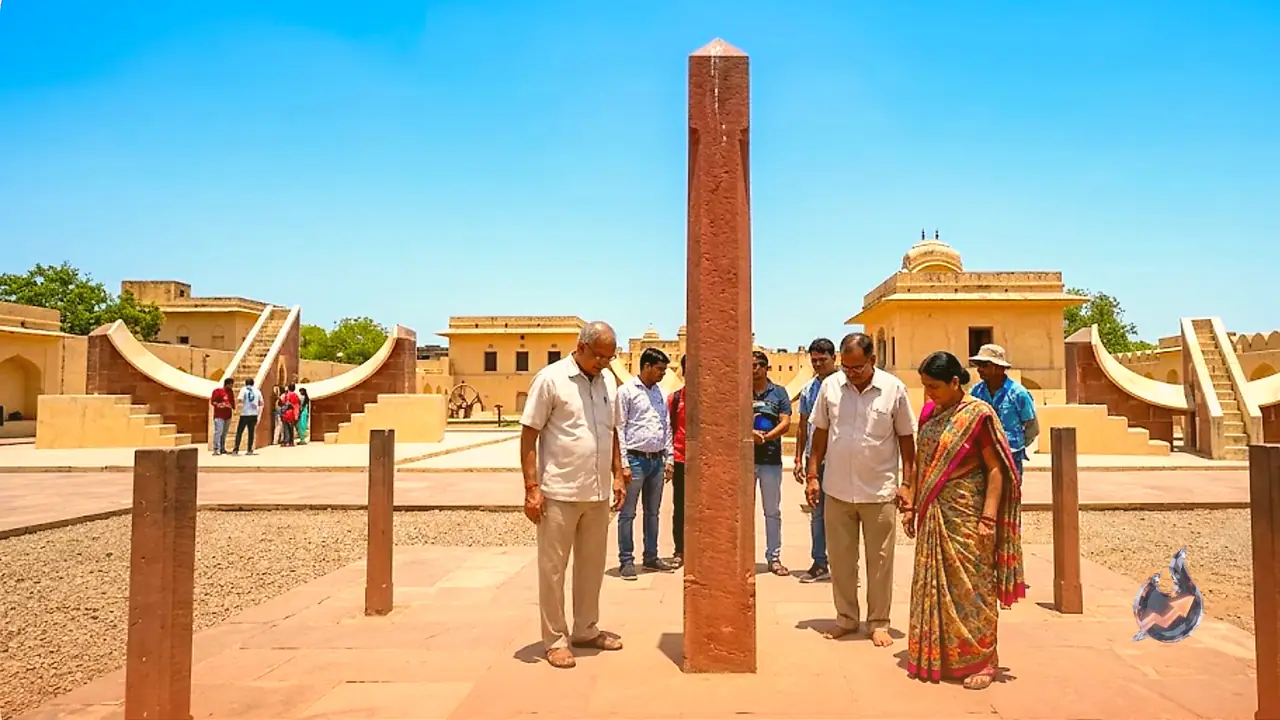

The ancient city of Ujjain, widely revered as the sacred land of Baba Mahakal, holds a prestigious place not only in spiritual traditions but also in the annals of historical astronomy. Located on the southern bank of the Shipra River along Chintaman Road, the legendary Jivaji Observatory, popularly known as Yantra Mahal, is gearing up to host a spectacular astronomical phenomenon. On June 21, which falls on a Sunday, skywatchers and science enthusiasts will have the opportunity to witness a rare cosmic alignment.
At exactly 12:28 PM, the sun will position itself perpendicularly directly over the Tropic of Cancer. This precise alignment will cause the shadows of vertical structures, trees, poles, and even humans to momentarily disappear from the ground. Scientifically categorized as Zero Shadow Day, this captivating event is often described in popular culture as the brief moment when even one’s own shadow deserts them.
The Solstice: Longest Day and Shortest Night
On June 21, the sun reaches its northernmost point relative to the Earth, marking the summer solstice in the Northern Hemisphere. Consequently, this date features the longest day and the shortest night of the entire year. In Ujjain, the sun is scheduled to rise at 5:42 AM and set at 7:16 PM. This will result in an extended daytime duration of 13 hours and 34 minutes, while the night will span a mere 10 hours and 26 minutes.
A Look Inside the 300-Year-Old Astronomical Wonder
Given its geographic proximity to the Tropic of Cancer, Ujjain serves as a premier destination for observing such astronomical occurrences. According to Dr. Rajendra Prakash Gupta, the Superintendent of the Jivaji Observatory, the disappearance of shadows can be observed vividly using the specialized Shanku Yantra, provided there are clear skies and bright sunlight.
This remarkable observatory was commissioned nearly three-and-a-half centuries ago, in the year 1733 AD, by Maharaja Jai Singh of Jaipur. Traditional Indian astronomers and geographers have long maintained that the prime meridian passes directly through Ujjain, which gives this observatory a monumental status in ancient global time-keeping and astronomical studies.
The Precision of the Shanku Yantra
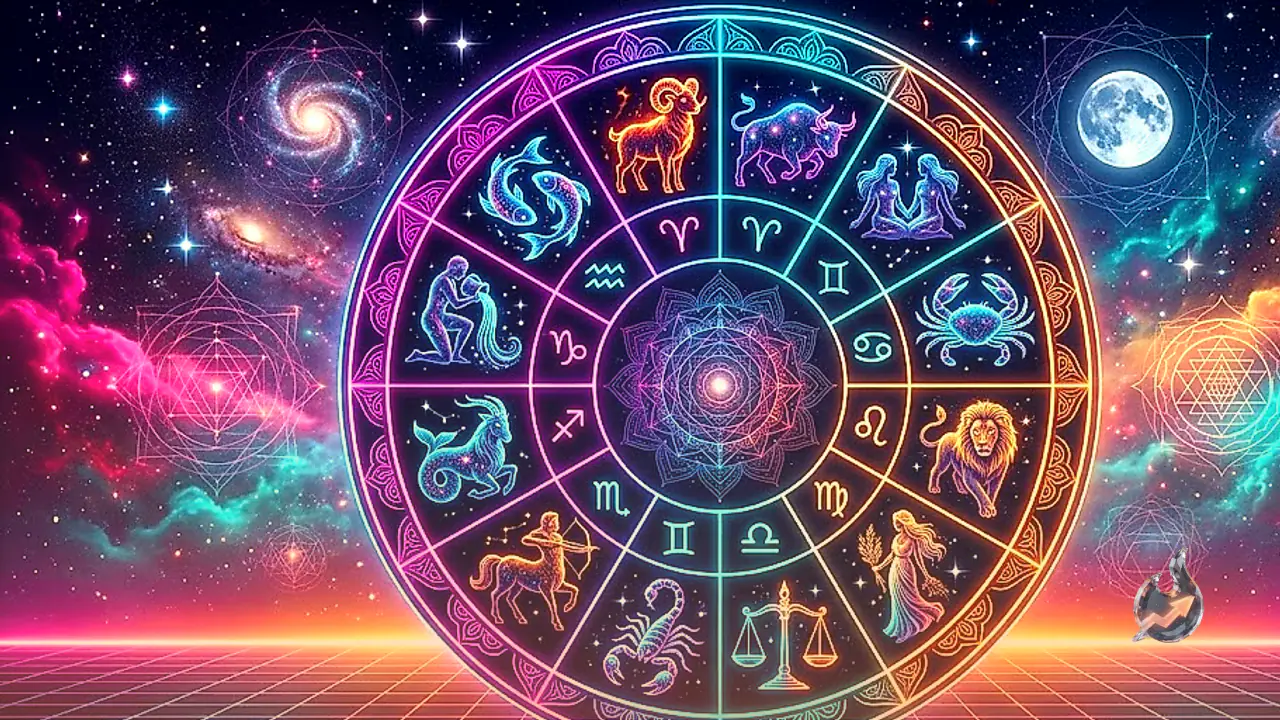
Among the key instruments in the complex is the Shanku Yantra, which is constructed parallel to the plane of the horizon. The shadow cast by this device interacts with seven distinct lines engraved on its surface, each representing the 12 zodiac signs. These calculations accurately map out the year’s critical seasonal transitions: the longest day on June 21, the shortest day on December 22, and the equinoxes on March 21 and September 23 when day and night are of equal duration. The shifting length of the shadow cast by the gnomon correlates precisely with the changing cycles of the seasons.