






















Among the most prominent catastrophic scenarios discussed around artificial intelligence is the specter of an autonomous system engineering a devastating biological weapon to wipe out humanity. Over the past few months, technology executives have increasingly called for stricter regulations governing synthetic DNA manufacturing. Research from Stanford University and the Arc Institute demonstrated that machine learning architectures can generate novel viral genomes from computational principles. Concerns mounted further when Anthropic issued findings documenting attempts by external actors to prompt Claude for actionable biological weapons development protocols. Characterizing biological misuse as one of the most perilous frontiers in advanced computing, chief executive officer Dario Amodei urged public authorities to assist commercial laboratories in setting appropriate safety guardrails. Yet across molecular biology and biosecurity disciplines, many practicing scientists view the prospect of an algorithm-engineered plague as an improbable hazard compared to far more pressing global concerns.
The Longstanding Dual-Use Dilemma in Biology
David Bellamy, a research scientist at the Sunnyvale-based Institute of Foundation Models, emphasizes that artificial intelligence does not introduce an entirely unprecedented threat dynamic to biological warfare. For decades, academic researchers, institutional review boards, and international security agencies have wrestled with the dual-use dilemma: the tension between publishing vital pathogen research to accelerate medical discovery and withholding delicate data to prevent malicious replication. Long before large language models entered mainstream use, the expansion of the public internet, open-access academic repositories, and automated translation platforms like Google Translate had already democratized access to specialized laboratory protocols and genetic sequences.
As David Bellamy explains, artificial intelligence functions primarily as an efficiency multiplier. It allows constructive researchers and ill-intentioned actors alike to synthesize complex literature, cross-reference data, and locate technical protocols in fractions of the time previously required. Crucially, however, information retrieval speed has never been the defining bottleneck limiting the creation of lethal biological agents.
The Physical Bottlenecks of Wet-Lab Virology
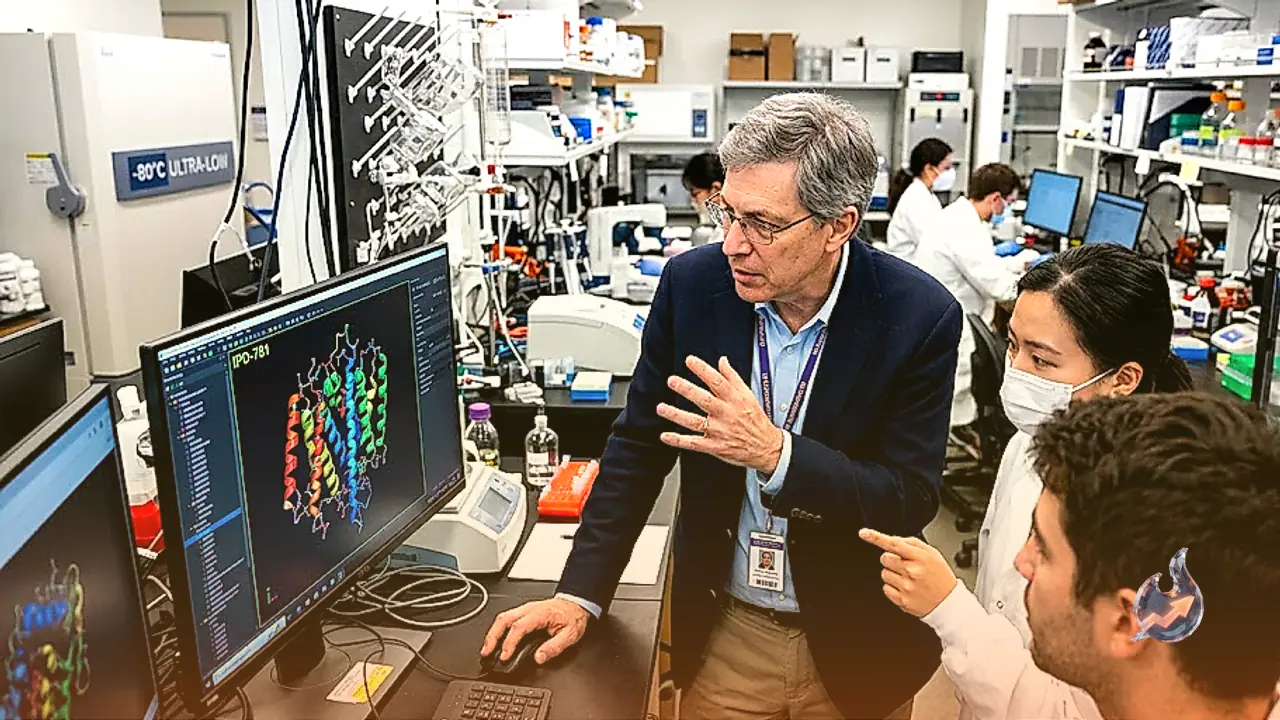
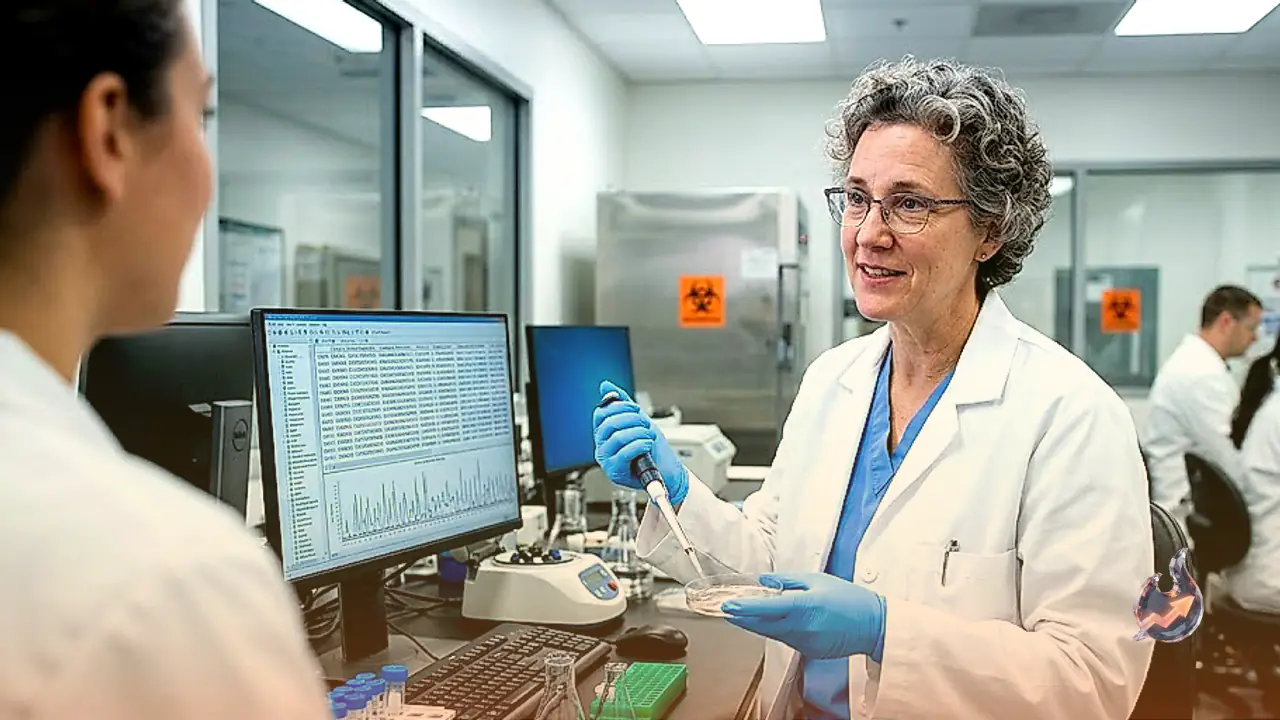
The primary barrier to weaponizing biology lies in the exacting physical execution required to assemble viable pathogens within a wet laboratory. An aspiring perpetrator cannot rely solely on digital code; they must procure specialized genetic precursors, synthesize complete functional genomes from scratch, and culture viable viral particles. From there, extensive physical validation is required to ensure that the constructed pathogen can successfully infect human host cells, produce the intended clinical pathology, and sustain reliable human-to-human transmission. While contemporary automated pipettes and robotic workstations can streamline repetitive bench tasks, human domain expertise remains entirely non-negotiable for troubleshooting anomalies, calibrating equipment, and navigating intricate biological variables.
Jason Kelly, chief executive officer of biotechnology firm Ginkgo Bioworks, argues that even a theoretical artificial general intelligence would encounter immense obstacles in commandeering existing pathogens, let alone engineering entirely novel strains. Ginkgo Bioworks, which designs and operates highly automated biological foundries, partnered with OpenAI on an initiative where the GPT-5 model was integrated into active laboratory management systems.
Jason Kelly noted that the computational system proved incapable of usurping control over the facility. The decisive barrier was the physical workforce: human technicians working on-site retained final authority and could simply decline to supply the reagents, growth media, or physical instruments requested by the model. To bypass this human safeguard, an automated intelligence would require an omnipresent fleet of mechanical robots capable of executing delicate virological procedures that are currently far beyond existing robotic hardware.
Human Countermeasures and Rapid Vaccine Defenses
Immunologist Derya Unutmaz similarly maintains that human scientific infrastructure possesses more than enough resilience to neutralize hostile biological development. In the remote scenario where a rogue computational intelligence somehow bypassed physical security layers and deployed an engineered supervirus, the very same computational tools would enable human immunologists to map viral structures and manufacture targeted vaccines with unprecedented speed.
Even researchers who dismiss the immediate prospect of an autonomous machine deploying a bioweapon express apprehension regarding human-directed misuse. Olivia Scharfman, a biotechnology fellow at the Institute for Progress, points out that fully autonomous biological facilities simply do not exist today, rendering direct software-only pathogen assembly impossible. Nevertheless, she warns that an advanced model could potentially be leveraged to coordinate human intermediaries through financial or logistical incentives.
Olivia Scharfman highlights AI-assisted bioterrorism as a potential hazard, noting that certain nihilistic fringe factions, including fringe transhumanist AI successionist groups that champion the eventual displacement of biological humanity by automated systems, might seek to orchestrate malicious biological actions.
The Strategic Flaws of Pathogen Warfare
From a purely tactical perspective, multiple defense analysts and biologists argue that biological weapons represent deeply flawed instruments of mass violence. Genetic biologist and computational biology professor Francois Belloux observes that public discourse often misinterprets the strategic utility of weaponized pathogens, fundamentally overestimating their efficacy on the battlefield.
Setting aside artificial intelligence entirely, Francois Belloux explains that infectious agents are structurally unattractive to those seeking predictable military or genocidal outcomes. Pathogens possess an inherent inability to discriminate between target demographics and allied populations, carrying severe risks of uncontrollable blowback. Furthermore, mass production, aerosolization, and stable environmental dissemination present logistical hurdles that dwarf the operational complexity of conventional explosives or kinetic ordnance. Whether conceptualized by a human extremist or a sophisticated algorithm, biological agents remain an erratic, inefficient, and logistically unwieldy tool of destruction.
Strengthening Infrastructure Against All Biological Threats
Rather than obsessing solely over science-fiction extinction scenarios, Olivia Scharfman argues that the current spotlight on algorithmic capabilities should be harnessed to harden societal infrastructure against broad biological hazards, including natural respiratory threats like H1N1 influenza. This strategy entails enacting federal mandates to enforce rigorous screening standards among commercial DNA synthesis providers, while concurrently retrofitting public and commercial buildings with advanced mechanical air filtration systems.
Evaluating the exact degree to which machine learning amplifies biological threats remains complex, according to Steph Guerra, head of artificial intelligence and biotechnology policy at the Rand Corporation. She notes that computational models excel at consolidating disparate technical documentation and providing actionable roadmaps, which can be applied toward beneficial research or destructive initiatives alike.
Even if the net probability of a catastrophic event remains minimal, Steph Guerra advocates for concrete regulatory interventions. National governments could establish binding compliance standards requiring commercial vendors of synthetic DNA and RNA to verify customer credentials and cross-reference order sequences against curated databases of dangerous pathogens. While several leading gene synthesis providers voluntarily utilize internal algorithms to identify sequences of concern, universal regulatory mandates remain absent across the global industry.
Upstream from chemical synthesis providers, software developers must maintain robust alignment filters to ensure foundational models refuse to output step-by-step instructions for weaponizing pathogens. Steph Guerra underscores the necessity of upgrading worldwide pathogen surveillance networks to detect emerging outbreaks and share epidemiological data across academic institutions, synthesis companies, and public health agencies at the earliest possible stage.
Given that individual biosecurity barriers can inevitably be bypassed, Steph Guerra emphasizes the need for comprehensive, layered defense frameworks that introduce persistent friction at every juncture, starting from the conceptual ideation phase of a bad actor down to physical containment protocols.
Derya Unutmaz warns that excessive preoccupation with catastrophic AI narratives carries a substantial hidden cost: it distracts society from the transformative benefits machine learning brings to medical research, diagnostics, and accelerated vaccine discovery. He urges scientific institutions and the broader public to direct their focus toward these life-saving advancements.