





















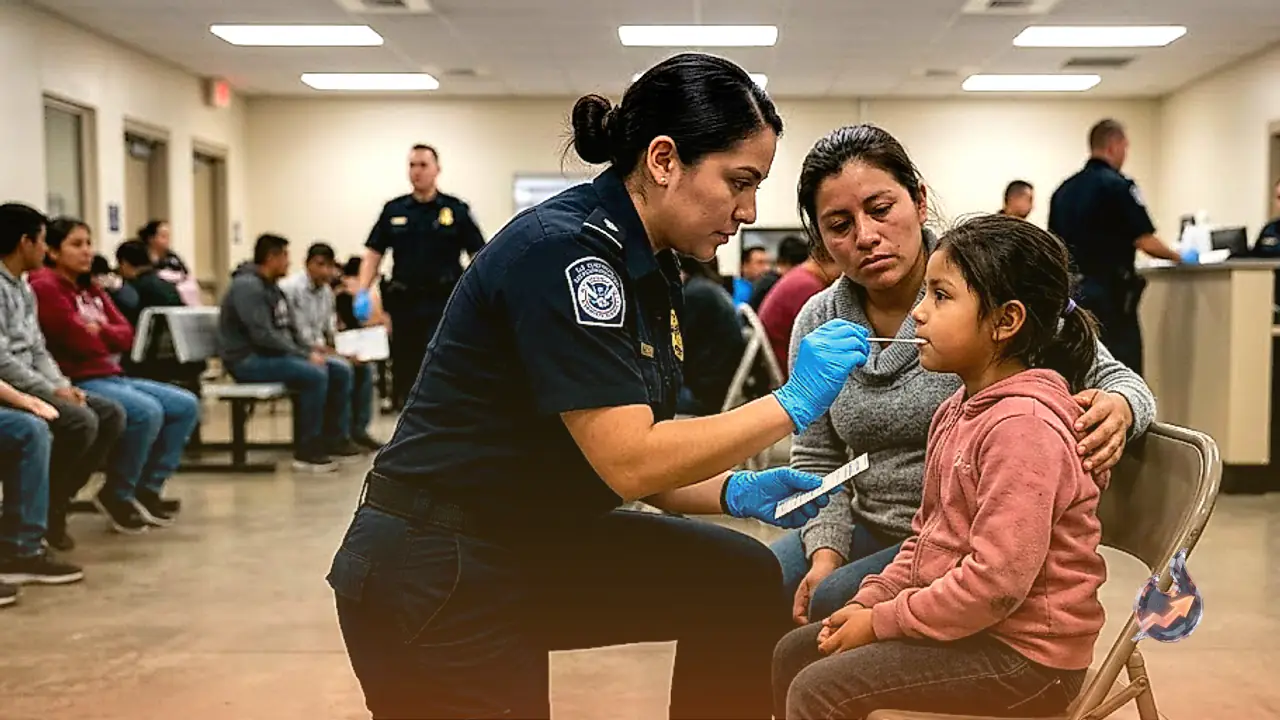

Federal immigration authorities have dramatically expanded the collection of genetic profiles from individuals held in civil custody, channeling vast numbers of biometric samples directly into criminal law enforcement databases. According to legal documents reviewed, enforcement officers repeatedly demanded cheek swabs and fingerprints from individuals during routine processing, setting the stage for federal misdemeanor charges when those individuals declined to comply.
Massive Influx into FBI Databases
Research indicates that the Department of Homeland Security has emerged as the single largest contributor of new genetic profiles to the nation's criminal DNA system. Immigration and Customs Enforcement alone potentially added roughly 920,000 new profiles in the year 2025. Because the vast majority of detained individuals have no criminal convictions and undocumented status is generally a civil matter, the integration of these profiles into the FBI's Combined DNA Index System, or CODIS, means biological data remains indefinitely searchable against unsolved criminal investigations across the country.
Historically, migrant DNA collection was concentrated primarily at the border through Customs and Border Protection, while ICE's contributions remained minimal. However, a regulatory shift by the Department of Justice and subsequent internal agency directives altered enforcement priorities, instructing officers to sample nearly all individuals taken into federal custody, including asylum seekers and refugees who had not adjusted their status.
While government officials initially defended the collection protocols as a routine administrative identification measure comparable to fingerprinting during booking, internal agency correspondence revealed that the primary purpose was constructing a comprehensive national database for solving crimes. Legal experts argue that this practice bypasses constitutional protections against unreasonable searches, raising profound civil liberties concerns.
Involvement of Children and Legal Challenges
The collection efforts have extended into family detention centers, where children as young as 14 are subjected to swabbing. Analysis of agency records further identified hundreds of children under the age of 14 whose samples were forwarded to federal repositories. Legal representatives working within family facilities noted that detainees frequently express confusion regarding why the samples are taken, as explanations regarding the purpose or ultimate destination of the genetic material are rarely provided.
In parallel, civil rights lawsuits have been filed by U.S. citizens and other individuals who allege their genetic information was unlawfully harvested following detentions at public demonstrations and routine operations. These legal challenges seek the permanent expungement and destruction of profiles, arguing that utilizing enforcement sweeps to populate criminal databases violates fundamental constitutional rights.