
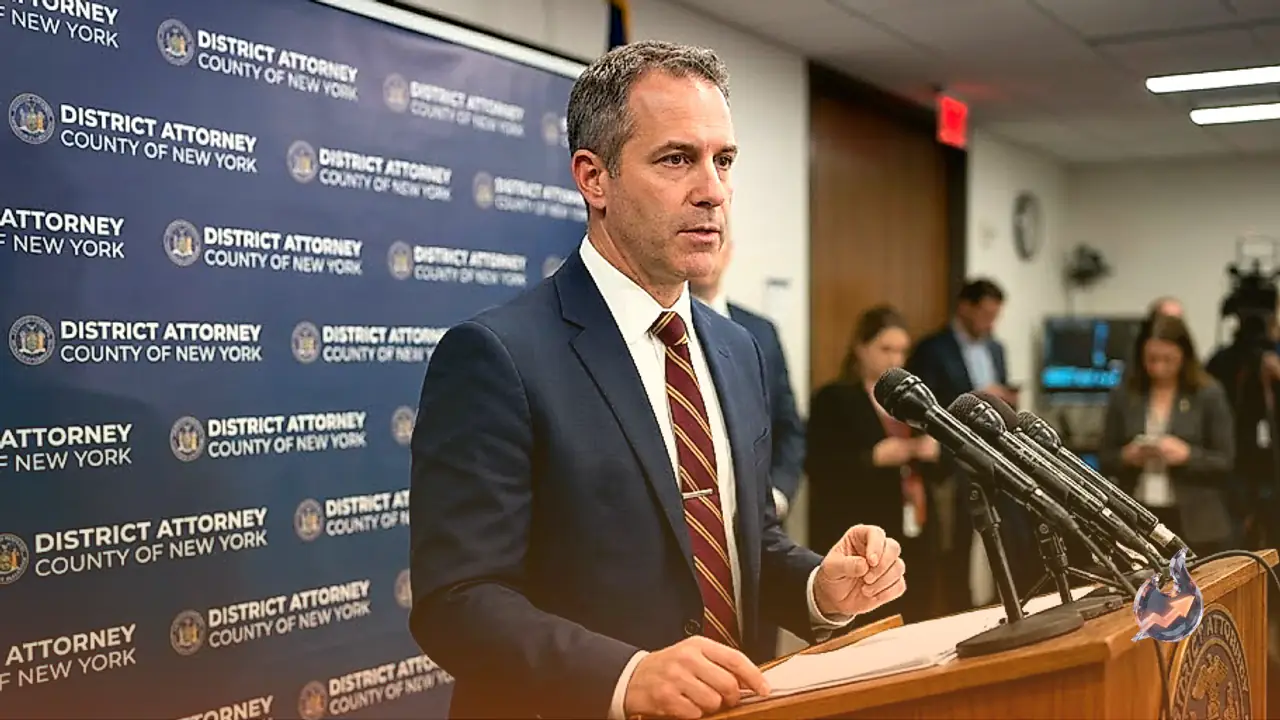

















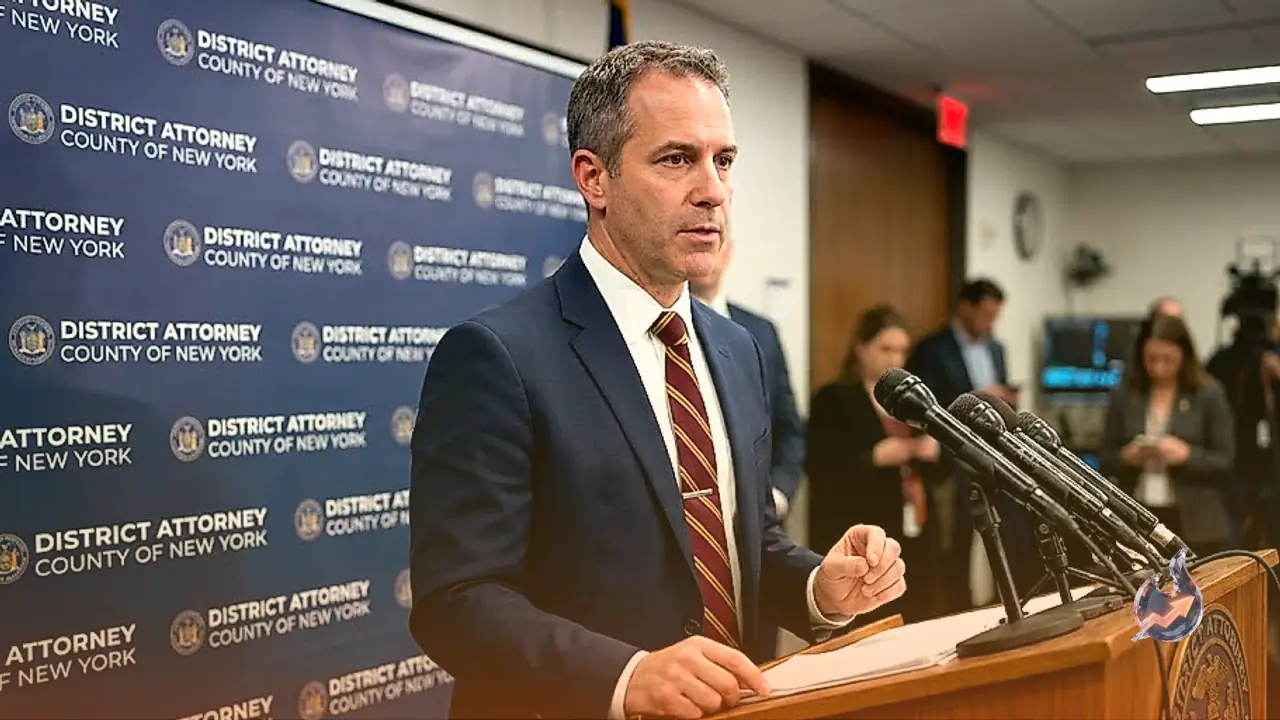

On Monday, the Manhattan District Attorney's Office announced the seizure of 12 domains that it stated were utilized for unlawfully sharing, publishing, and selling celebrity deepfake videos. Approximately 1,200 individuals, overwhelmingly women, were depicted in nonconsensual sexual images and videos across these websites, according to the office. The affected targets included social media influencers, actors, activists, athletes, musicians, and politicians.
District attorney Alvin Bragg described these incidents as horrific violations of privacy that follow victims into their professional careers and personal lives while taking an immense toll on their emotional and mental well-being. He urged potential victims to step forward and reach out to the cybercrime bureau within his office. Authorities noted that investigations regarding the individuals responsible for operating these websites, as well as those who uploaded the damaging media, remain ongoing.
Carried out under New York criminal procedure laws, these domain seizures represent one of the most significant and sweeping enforcement actions against explicit deepfake hosting platforms since the underlying technology first emerged in late 2017. As artificial intelligence capabilities have advanced, a shadow industry of websites, applications, and automated bots has surfaced, specifically built to digitally undress photographs of women or generate graphic sexual content featuring them. These synthetic images and media have grown increasingly realistic and can now be produced within mere seconds.
While deepfake technology is frequently deployed against non-famous women and girls—often distributed across private social media circles—prominent celebrities have increasingly spoken out regarding the multifaceted harms of being utilized in such content and the persistent difficulties associated with getting it removed. Although legislative measures addressing deepfakes have progressed slowly, the federal Take It Down Act has increasingly empowered the removal of unauthorized imagery, with specific provisions allowing law enforcement personnel to seize and shut down violating web domains.
The Manhattan District Attorney's Office chose not to publicly disclose the specific names of the seized websites prior to the announcement. However, late last week, several of the target domains were independently observed displaying replacement takedown notices on their homepages stating that the domain had been seized pursuant to warrants issued by a New York State Supreme Court.
Leonie Oehmig, a researcher specializing in the deepfake creation ecosystem at the Institute for Strategic Dialogue (ISD), noted that the takedowns represent a major victory in countering synthetic nonconsensual intimate imagery (NCII). Oehmig stated that state-level enforcement demonstrates how this harmful content can be effectively tackled, noting that the seized sites became inaccessible even when attempting to bypass restrictions using virtual private networks from international locations. This proves that meaningful and coordinated enforcement remains achievable despite regulatory fragmentation across various jurisdictions.
Traffic estimates suggest the seized websites likely accumulated millions of views. Many utilized deceptive naming conventions incorporating phrases such as sex celebrity or promising authentic deepfakes. They hosted fabricated videos depicting some of the most recognized global figures, with one platform explicitly stating that various actresses' faces were utilized for deepfake manipulation.
The hosted videos often spanned several minutes, featuring fully explicit sexual scenes generated by swapping the facial features of celebrities or public figures onto existing pornographic source material. Archived versions indicated that certain videos had garnered tens of thousands of views, with one specific platform claiming operational status dating back to 2018.
Benjamin Shultz, lead researcher at the nonprofit American Sunlight Project, explained that most of the catalog took the shape of conventional pornographic films altered to display targets' faces over the original actors. Shultz, who has extensively documented deepfake abuse targeting political figures and encountered several of the seized platforms during his research, noted that numerous clips appeared to be reposted from MrDeepFakes, a notorious deepfake repository that went offline after investigative journalists unmasked its creators.
Shultz added that at least two of the seized platforms maintained dedicated profiles for elected officials, featuring their names, official positions, and grids containing manipulated likenesses. Recent investigative findings compiled by Shultz indicate that 56 European politicians were referenced or featured across the sites, alongside 16 US politicians and two based in the UK.
While Oehmig views the recent domain seizures as an encouraging development, she emphasized that numerous other facets of the deepfake ecosystem continue generating severe harm. Effective intervention requires multi-pronged targeting across the entire infrastructure, including the generative tools utilized to create synthetic NCII, the promotional channels driving discovery, the hosting providers keeping platforms online, and the financial affiliate networks enabling operators to monetize their activities.