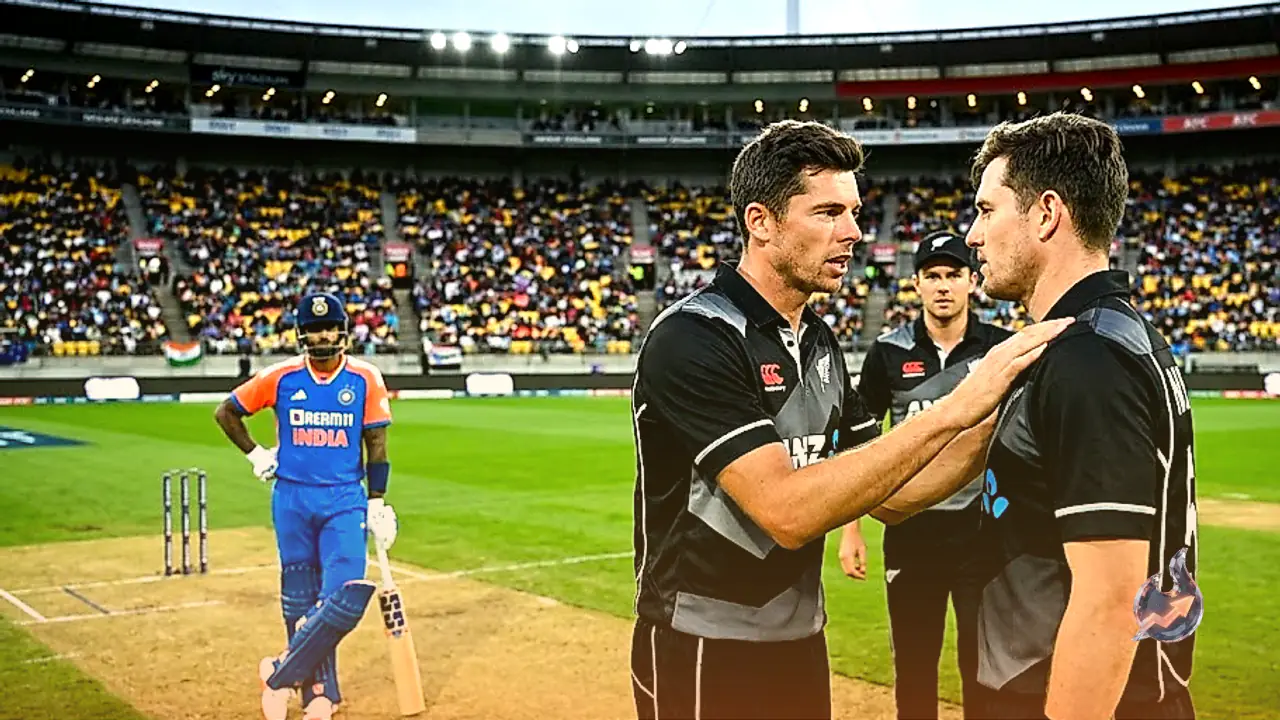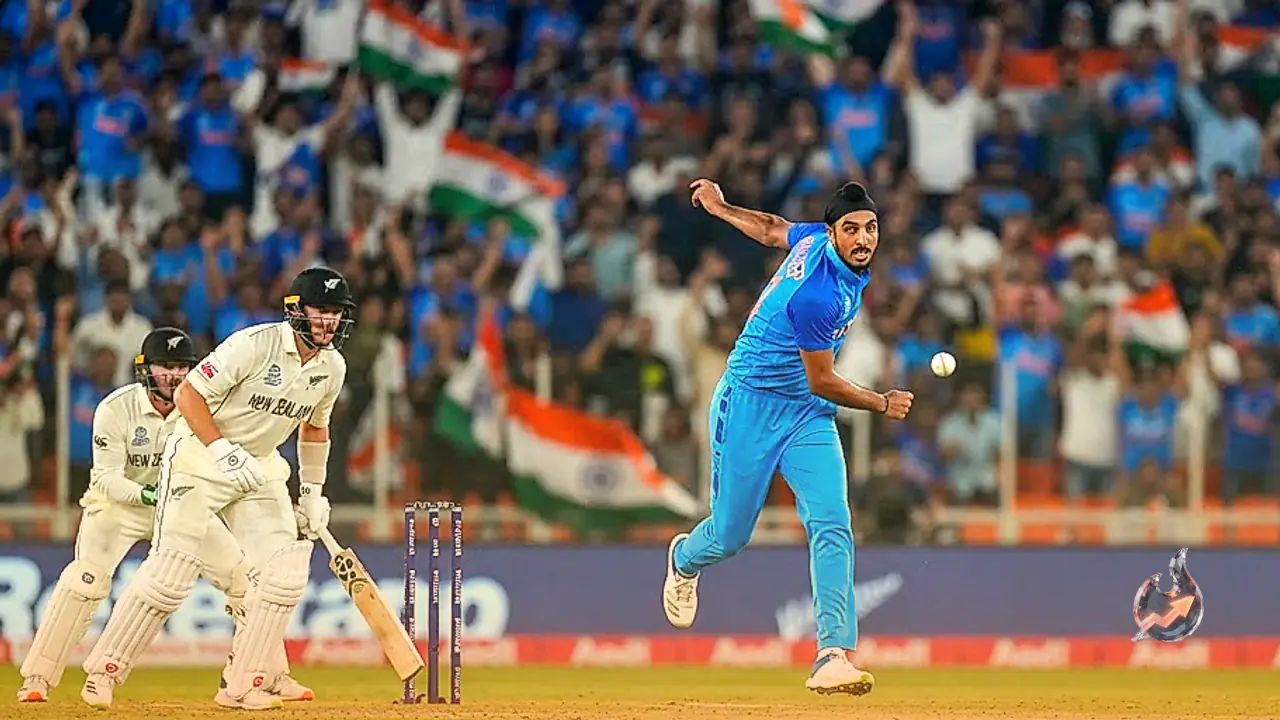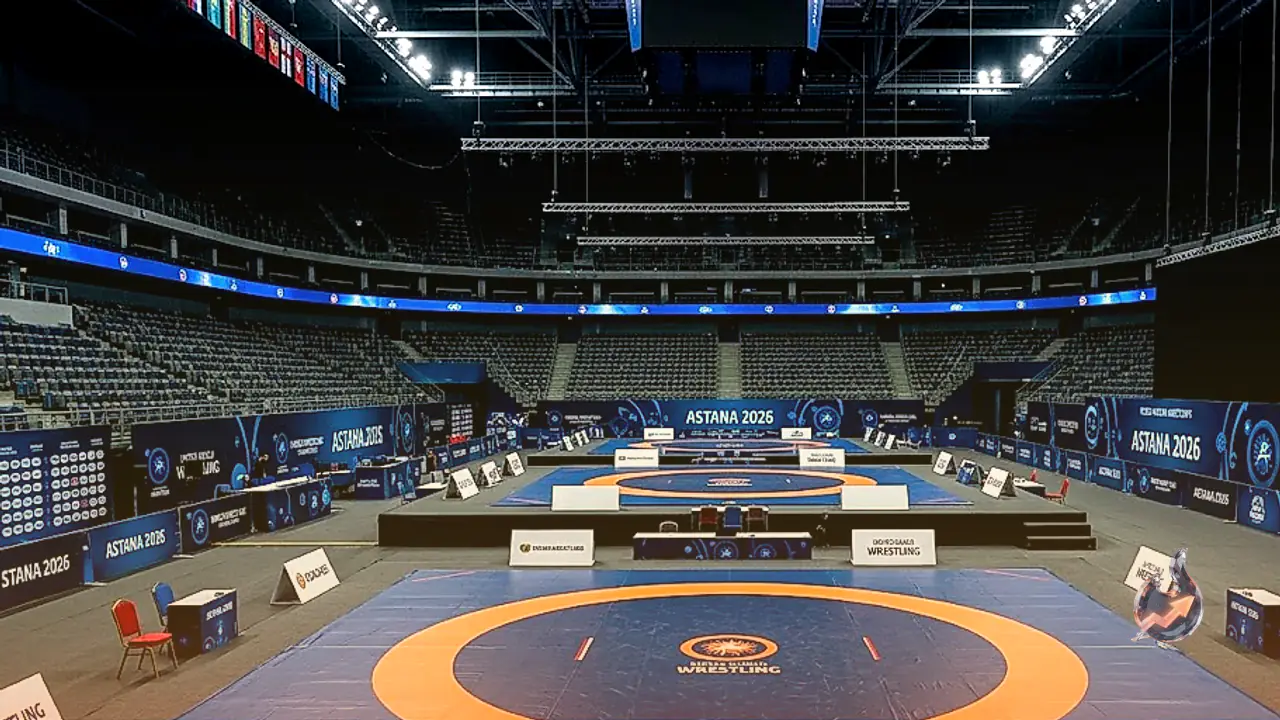



















The FIH Hockey World Cup officially got underway on 15 August 2026 under the joint hosting of Belgium and Netherlands. Marking a landmark moment in the history of the sport, this edition brings together both the men's and women's tournaments simultaneously for the very first time. A total of 16 teams are competing in each category. Placed in Pool D, the Indian men's hockey team launched its campaign on 15 August with an opening fixture against Wales. However, the path to the championship title is far more demanding this year, owing to a radical overhaul of the tournament format where every single match carries immense weight.
Quarterfinals Scrapped: Breaking Down the Initial Pools
Under the revised 2026 structure, traditional quarterfinal matches have been completely eliminated from the competition ladder. Instead, the 16 participating nations are initially partitioned into four distinct groups of four teams each. Pool A features Netherlands, Argentina, New Zealand, and Japan. Pool B comprises France, Malaysia, Germany, and Belgium. Pool C includes Spain, South Africa, Ireland, and Australia. Meanwhile, Pool D brings together India, Pakistan, Wales, and England.
Rather than proceeding directly to single-elimination quarterfinals, the top two finishing teams from each initial group will advance to a secondary group stage designated as Pool E and Pool F. The teams finishing third and fourth in their respective initial groups will move into Pool G and Pool H to compete in classification matches. Specifically, Pool E will be formed by combining the top two teams from Pool A and Pool D, while Pool F will consist of the top two qualifiers from Pool B and Pool C.
Crossover Pool Mechanics and the Weight of Group Wins
The structure of the secondary stage introduces a unique carry-over system. If India and England both qualify from Pool D into Pool E, they will not face each other again in that round. Instead, the outcome and points earned from their head-to-head match in the initial group stage will be carried forward directly into the Pool E standings. Consequently, securing victories in all three group matches provides a massive strategic advantage heading into the next phase.
In Pool E, India will play two crossover matches against the top two advancing teams from Pool A. Upon conclusion of the secondary stage, the top two teams from Pool E and the top two teams from Pool F will earn direct qualification to the semifinals, which will subsequently determine the finalists. Because carried-over points influence placement, the revised format ensures that no team can afford a single slip-up throughout the entire tournament.