


















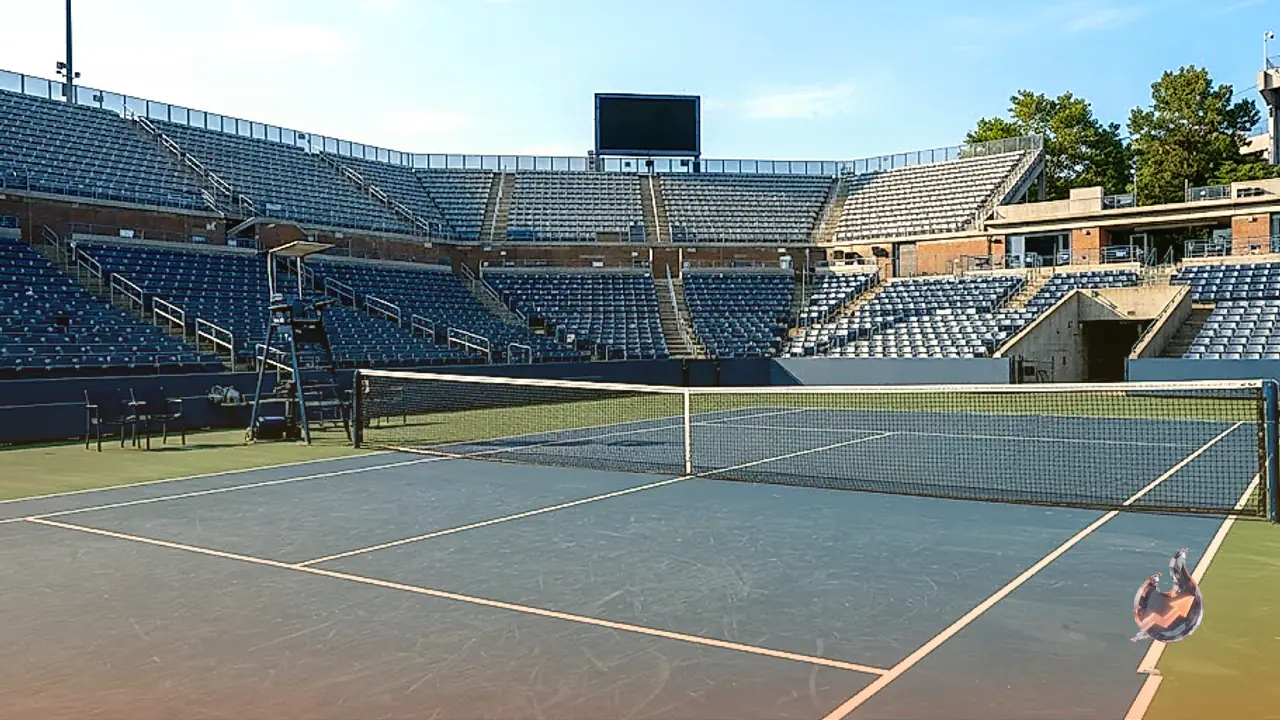

A high-stakes dispute has erupted at the pinnacle of men's professional tennis, pitting specialized doubles competitors against the governing body of the men's circuit. The ATP Tour has put forward sweeping structural modifications scheduled for implementation in 2028, proposing sharp reductions in field sizes and prize money shares for doubles competition. The initiative has triggered an unprecedented collective pushback from competitors, legends of the game, and regional governing bodies, who warn that the measures threaten the viability of the entire discipline.
The ATP Blueprint: Slashed Fields and Halved Financial Pools
The core of the governing body's proposal centers on significantly diminishing the footprint of doubles brackets across the calendar. At flagship Masters 1000 tournaments, the field would be halved to just 16 pairs. Lower-tier tournaments would undergo an even more severe contraction, limiting their doubles events to a mere eight teams.
Alongside the reduced draw sizes, the proposal directly impacts player earnings by overhauling prize distribution formulas. Under current regulations, doubles events receive approximately 20 percent of an event's total prize fund. The ATP plans to cut that allocation down to 10 percent, shifting the remaining capital directly into the pockets of singles competitors. For touring doubles professionals whose livelihoods depend entirely on these brackets, the planned redirection represents a devastating financial blow.
Coalition of 150 Players, Legends, and Federations Mount Resistance
In response to the impending policy shift, the doubles community organized a unified petition. A formal open letter was delivered to the tour's governing board on Monday, carrying endorsements from 137 active competitors, 28 revered legends of the sport, and 20 national federations. Signatories include reigning Wimbledon champions and world number ones Harri Heliovaara of Finland and Henry Patten of Great Britain.
Dutch player Sem Verbeek, who served as one of the chief organizers of the resistance, voiced the deep alarm shared across the locker room. Sem Verbeek emphasized that the sport risks dismantling a discipline with deep historical heritage and tremendous untapped potential, warning that these structural cutbacks would dismantle careers, stability, and aspirations across the tour.
Similar condemnation came from British duo Lloyd Glasspool and Julian Cash, who captured the Wimbledon crown in 2025 and ascended to the summit of the world rankings. The pair accused tour leadership of actively attempting to erase an essential component of the game.
Threat of Legal Challenge and the Bryan Brothers' Precedent
Adding substantial weight to the player coalition, legendary twin brothers Bob Bryan and Mike Bryan, universally acknowledged as the most accomplished partnership in doubles history, announced their complete backing for the group, including potential courtroom intervention if administrative discussions stall.
Bob Bryan pointed out that the professional circuit is currently enjoying unprecedented financial health, arguing that peak profitability should inspire tournament organizers to expand competitive pathways rather than dismantle them. Mike Bryan echoed those sentiments, characterizing the tour's draft regulations as blatantly anti-competitive. He noted that players were compelled to adopt a similar adversarial posture in 2005, reiterating their enduring commitment to the discipline and the current generation contesting these cuts.
Commercial Arguments and the View from Tour Leadership
From the perspective of tournament executives, the proposed restructuring forms part of an expansive reform agenda aimed at enhancing the tour's commercial robustness from 2028 onward. Tour leadership maintains that its objective is to establish an economically resilient foundation for the sport while preserving a meaningful platform for doubles play.
According to administrators, the recommendations stem from detailed evaluations of overhead expenditures, broadcast engagement, and gate receipts. The tour contends that because top-tier singles stars rarely enter doubles draws in the modern era, staging large standalone doubles brackets places an unsustainable logistical and financial burden on host venues. Market observers supportive of the changes have similarly argued that allocating a 20 percent purse to doubles is disproportionate to the viewership and commercial revenue the discipline currently generates.
Counter-Proposals and the Upcoming Turin Decision
Doubles competitors have countered by asserting that the governing body has failed to properly market their discipline. They note that doubles remains the predominant format played by recreational club members globally, offering an organic accessibility that professional tennis frequently fails to commercialize effectively. While acknowledging the need for revenue expansion, the players insisted in their letter that reforms must not come at the expense of player fairness and long-term athletic welfare.
Reigning Wimbledon winner Henry Patten acknowledged that reversing the policy represents a formidable challenge, though he expressed hope that administrative leaders will engage constructively with player alternatives. Dialogue between the factions has taken place across several tour stops following Wimbledon, including discussions during the Shanghai Masters.
While skepticism persists regarding the tour's willingness to abandon its baseline framework, internal figures suggest room for a negotiated compromise remains. The decisive moment will arrive next month at the ATP Finals in Turin, where the official tour board, comprising chairman Andrea Gaudenzi, four tournament delegates, and four player representatives, will cast their formal votes on the package.