





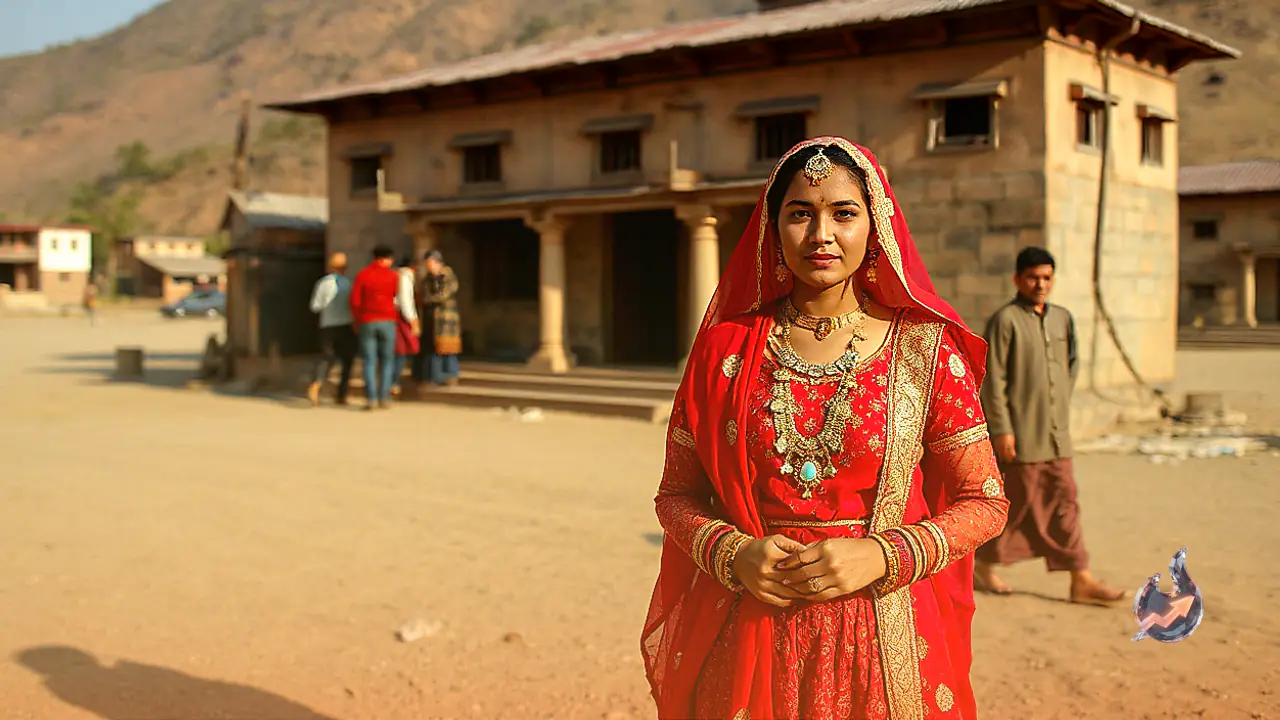
















While industrial byproducts are often routinely discarded, skilled craftspeople can convert seemingly useless scrap into extraordinary artistic creations. Haryana-based artisan Nisha is doing precisely that by crafting intricate 3D relief paintings out of leftover marble powder, the mineral dust generated during stone cutting and polishing. Currently participating in the artisan fair at Dilli Haat in Delhi, Nisha has captivated visitors with her collection of eco-friendly artwork. The visual appeal and structural depth of these pieces make it difficult for observers to believe they are created entirely out of discarded stone particulate.
The Intricate Technique Behind Marble Dust 3D Art
The process of fabricating 3D artwork from marble dust requires precision, practice, and patience. Nisha explains that the raw marble powder must first be meticulously filtered through a fine cotton cloth to eliminate coarse particles and achieve a uniform consistency. Once sifted, the powder is blended with natural tree gum, forming a pliable, dough-like paste.
This paste is subsequently loaded into piping cones fitted with nozzles of varying thicknesses depending on the required design detail. Artisans use thicker nozzles to construct broad structures and finer ones for subtle outlines. By repeatedly applying thin layers of the paste over drawn guidelines, the design gradually rises off the surface to create a authentic three-dimensional relief. After the raised structure completely hardens, colors are applied using fine brushes. Nisha incorporates a mix of natural dyes and oil paints to give each panel vibrant tones and long-lasting durability.
Nature-Inspired Designs and Custom Creations
Floral elements, lush trees, and vibrant birds feature prominently across Nisha's 3D portfolio. She explains that this stylistic choice stems from a desire to bring elements of nature directly into modern homes. Homeowners increasingly seek interior decorative items that evoke green spaces and peaceful natural environments. Alongside her standard catalog, Nisha creates bespoke wall pieces tailored to client specifications, matching specific dimensional and aesthetic requirements for living room decor.
Learning From Her Husband, National Award, and Women's Empowerment
Nisha's path as a master artisan began with family support. Her husband originally developed the technique of piping marble paste into 3D forms and taught her the craft to help her build financial independence. Recognizing the potential of this handicraft, Nisha expanded her vision to empower other women in her community. Over the years, she has trained numerous women in the art of marble dust sculpting, equipping them with livelihood skills to earn independent incomes.
Nisha has dedicated roughly 25 years to refining and promoting this specialized craft. Her artistic contributions gained prestigious national recognition in 2010 when she was honored with the National Award for handicrafts.
Pricing Range and the Flagship ₹85,000 Architectural Jharokha Painting
Nisha's exhibition displays a wide range of artwork catering to different spaces and budgets. Compact 3D pieces measuring 6×6 inches start at approximately ₹1,200. Prices scale upwards based on physical dimensions, design intricacy, and the total labor hours invested.
The standout centerpiece of her current showcase is a grand 3.5×5.5 feet Jharokha panel valued at ₹85,000. Completing this massive artwork required three to four months of continuous handcrafting. Inspired by the ornate window balconies (jharokhas) characteristic of historical Indian palaces, the initial outlining phase alone took three to five days. Subsequent weeks were spent building up multiple relief layers before carrying out the final detailed painting stage.
Direct Purchasing and Craft Authenticity
At present, Nisha does not operate an online retail storefront or sell through commercial e-commerce channels. Art collectors and interested buyers purchase her creations directly by meeting her at craft exhibitions or through personal contact. Nisha notes that because every single piece demands extensive manual labor and individual artistic attention, each work, from small desktop frames to large architectural panels, remains a unique masterpiece.