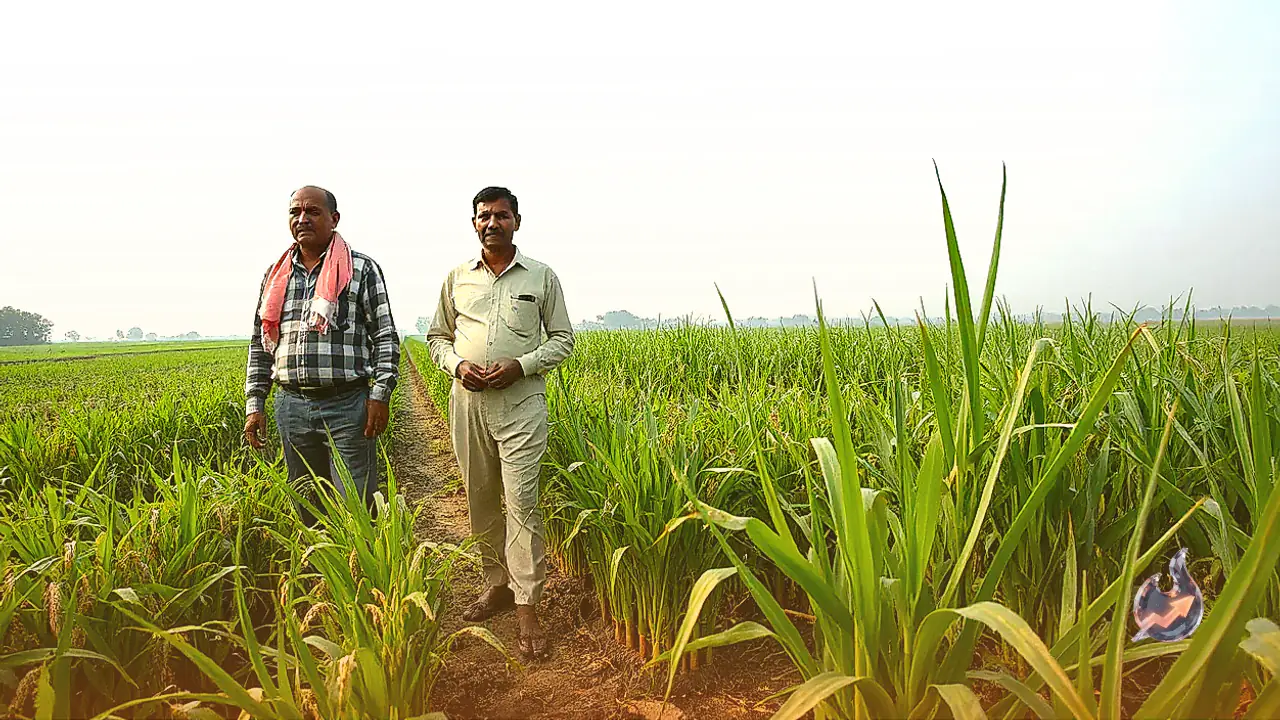




















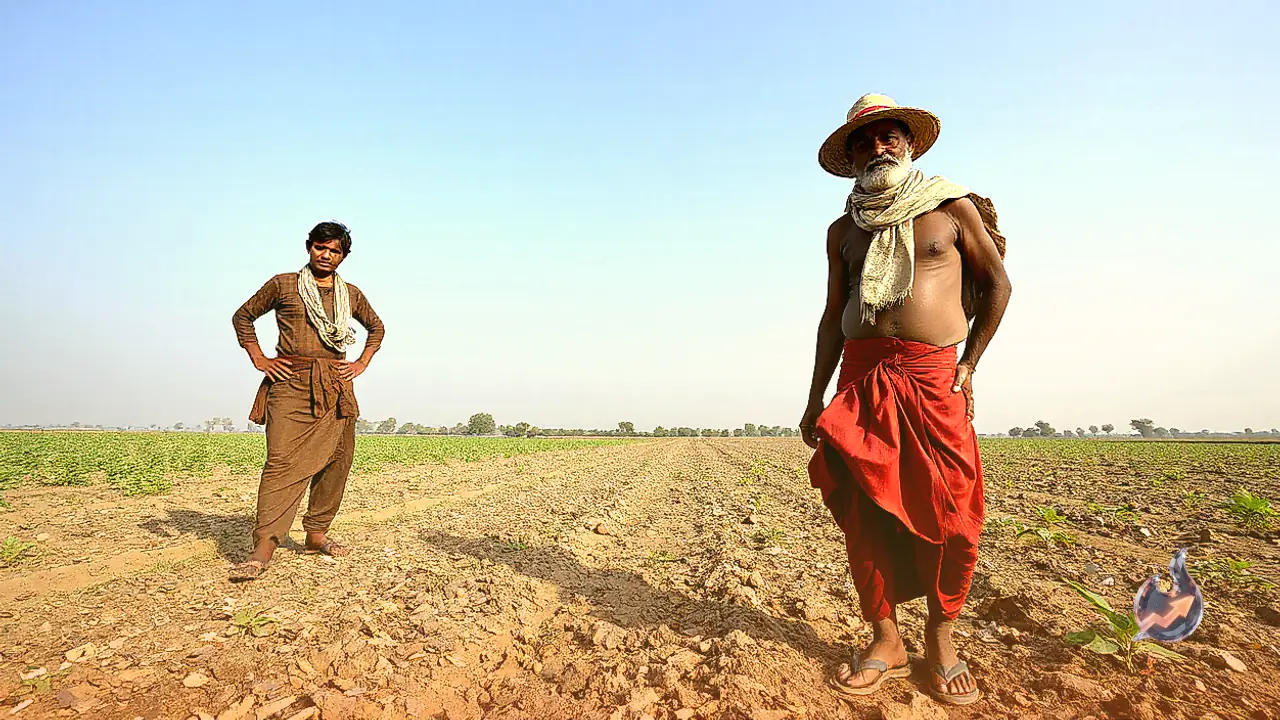

When agricultural practices are combined with scientific methods, sound planning, and adaptive management, harsh environmental constraints fail to limit success. A compelling demonstration of this principle has been set by 55-year-old Chheetarmal Kumawat, a resident of the Sambhar Lake area in the Jaipur Rural district of Rajasthan. The geographic belt surrounding Sambhar Lake is widely known for its high soil salinity and brackish groundwater, rendering traditional crop farming exceptionally difficult. Instead of surrendering to these ecological challenges, Chheetarmal turned to horticulture and transformed his 9-bigha farmland into a flourishing Ber (Indian Jujube) orchard, generating a net annual profit of approximately ₹3 lakh. Additionally, he maximizes land utility by intercropping wheat in the vacant spaces between tree rows, gaining two distinct harvests from a single investment.
Navigating Soil Salinity and Selecting Resilient Crops
Chheetarmal's farm is located along the busy road leading to the revered Shakambhari Mata Temple. The underground water in this belt possesses high salt concentration, making it unviable for conventional field crops. About 8 to 10 years ago, he resolved to diverge from traditional agriculture and explore resilient crop alternatives. On the advice of agricultural experts, he conducted detailed laboratory testing of his soil and irrigation water. The analytical reports confirmed that hardy horticultural varieties capable of surviving high salinity and drought conditions were the best fit. Consequently, Chheetarmal initiated his journey by planting wild (desi) Ber bushes across a 4-bigha patch, maintaining a deliberate spacing of roughly 20 by 20 feet between plants.
Upgrading Native Bushes Through Scientific Grafting
In the initial years, the wild bushes produced modest yields, confirming that the crop could endure the harsh local climate. Building on this encouragement, Chheetarmal investigated techniques to improve commercial yield and fruit quality. Approximately six years ago, under expert guidance, he performed budding and grafting procedures directly onto the established wild rootstocks. He introduced high-yielding, premium commercial cultivars including Umran, Ketun, and Jodhpuri Gola. This scientific intervention yielded impressive results, significantly boosting fruit production across the farm. Today, each grafted bush yields between 20 kg and 50 kg of high-quality Ber annually. The harvest matures between January and March, aligning perfectly with peak market demand when fresh fruits fetch premium rates.
Intercropping Wheat to Conserve Water and Elevate Income
The defining strength of Chheetarmal's agricultural model lies in resource efficiency. Because the Ber trees are planted 20 feet apart, substantial open ground remains between the rows. He utilizes this space during the Rabi season to sow wheat. This intercropping strategy yields a crucial irrigation advantage: the moisture provided to the wheat crop simultaneously satisfies the water requirement of the deep-rooted Ber trees. As a result, the Ber orchard requires no independent irrigation schedule, reducing water consumption and eliminating extra pumping expenses. This dual-cropping system ensures two distinct revenue streams from the same piece of land without inflating operational input costs.
Pruning Schedules, Soil Nutrition, and Marketing Strategy
To sustain high productivity year after year, Chheetarmal enforces a strict horticultural maintenance schedule. During the final week of April, he carries out extensive pruning of all Ber bushes. Immediately following pruning, he applies targeted root nutrition: each bush receives approximately 250 grams of DAP (Di-ammonium Phosphate), 250 grams of MOP (Muriate of Potash), and 15 kilograms of well-decomposed goat manure (mingni khad). This balanced nutrient mix stimulates robust branch growth and enhances flowering capacity for the upcoming season. For sales, his location near the highway provides a direct market advantage. He sells 50 kg to 60 kg of fresh Ber daily directly to passing commuters and tourists, while shipping the surplus harvest to nearby wholesale fruit markets.
From Construction Worker to Successful Agri-Entrepreneur
Chheetarmal's present financial stability is the fruit of years of perseverance. Prior to shifting to full-time horticulture, he worked for many years as a manual construction laborer. Despite limited financial backing, his willingness to adopt scientific agriculture reshaped his economic status. Today, besides securing his family's livelihood, he provides year-round employment to 1-2 local farm workers. To utilize every inch of his land, he has also planted Neem and Leswa trees along the farm boundaries. His journey highlights how farmers facing severe water scarcity and poor soil quality can turn agriculture into a highly profitable enterprise through scientific crop selection and efficient resource management.