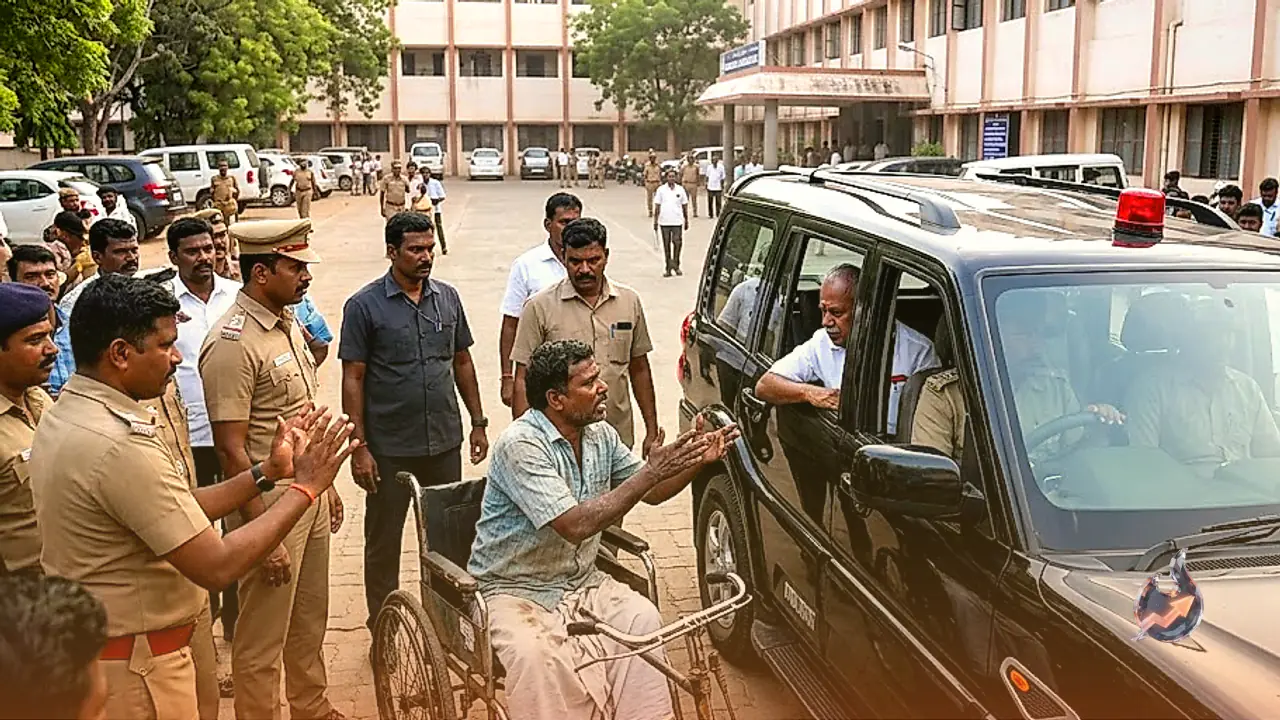






















In a significant legal development regarding the rehabilitation of families affected by the tragic Karur stampede of September 2025, the Supreme Court of India has stayed an order issued by the Madras High Court. The High Court had earlier set aside the state government's decision to grant government jobs on compassionate grounds to the next of kin of those who died in the incident. While hearing the matter, the top court questioned the rationale behind challenging humanitarian aid measures and firmly warned against introducing political disputes into judicial proceedings.
High Court Decision and Supreme Court Intervention
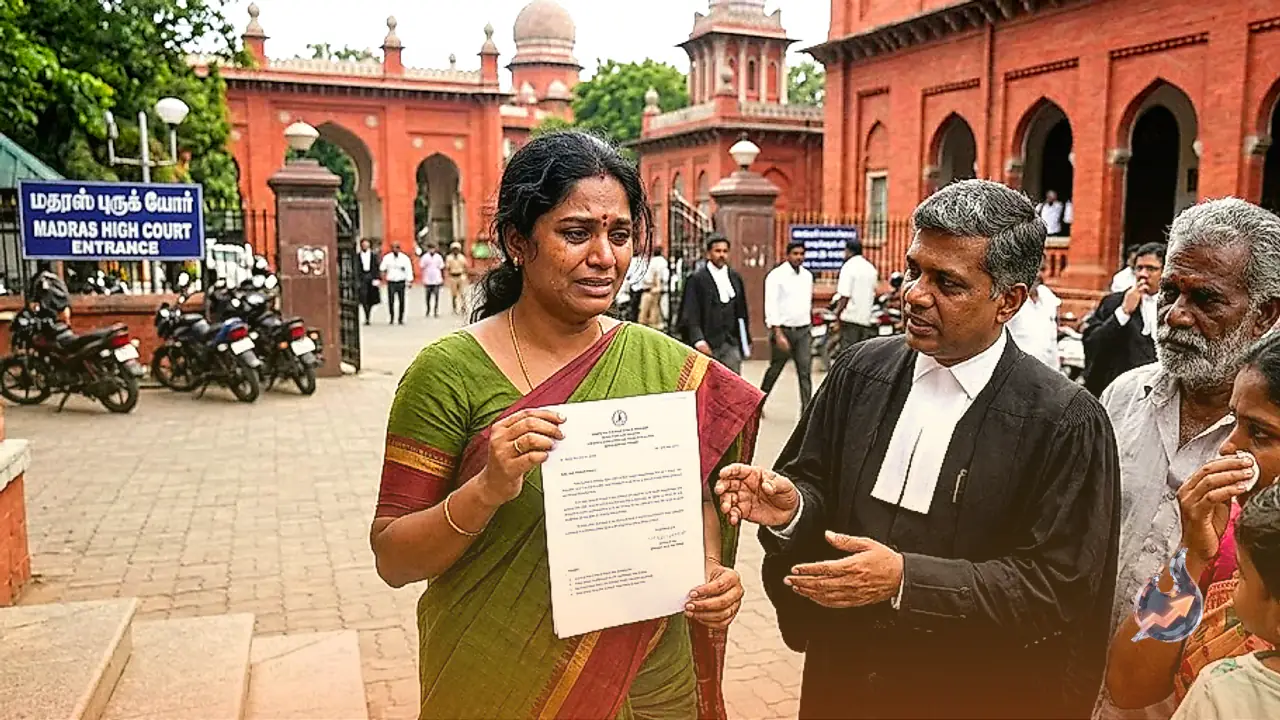
Following the unfortunate stampede in Karur in September 2025, which claimed the lives of 41 individuals, the state administration announced a comprehensive relief package. Alongside monetary compensation and general rehabilitation measures, the state decided to offer compassionate employment to eligible family members of all 41 deceased victims. However, the Madras High Court subsequently quashed this executive order while adjudicating a public interest litigation.
Aggrieved by the High Court ruling, the state government and other affected parties approached the apex court. A bench comprising Justice JB Pardiwala and Justice K Vinod Chandran issued notice on the petitions and stayed the operation of the High Court judgment. Consequently, the state government's relief scheme for the stampede-affected families remains temporarily protected while the Supreme Court examines the matter further.
Arguments by Senior Advocate Abhishek Manu Singhvi
Representing the state government, Senior Advocate Dr. Abhishek Manu Singhvi questioned the locus standi of petitioners challenging executive decisions aimed at providing welfare relief. He submitted that when a government formulates a policy to support families who lost their primary earners in a sudden calamity, such decisions ought not to be subjected to adversarial public interest litigation without strong legal grounds.
The bench echoed similar sentiments regarding the social purpose of compassionate employment. During the proceedings, Justice JB Pardiwala observed that if individuals lose their lives in a tragic accident, state assistance in the form of financial relief or employment opportunities should not be routinely contested. The court pondered whether the administration should be restrained from considering the victim's son or daughter for employment when the sole breadwinner of a household is killed.
Court's Reprimand Over Political Contentions
During the hearing, counsel opposing the government's scheme argued against granting the executive unfettered discretion in allocating public sector employment. The counsel further alleged a potential conflict of interest, asserting that the political party facing allegations regarding the event is currently governing the state.
Taking note of the nature of these submissions, the bench inquired about the credentials and affiliation of the opposing lawyer. Upon the lawyer confirming his representation of a political organization, Justice K Vinod Chandran sternly stated, 'Don't bring politics here.' The Supreme Court's firm stance underscores that political rivalries will not be permitted to overshadow humanitarian relief measures during judicial scrutiny. Further hearings will resume after responses to the issued notices are filed.