



















Traditional methods of handling death through burial or cremation are facing new environmental and structural alternatives around the globe. Australia has taken a remarkable step by legally approving a method where a human body is transformed into nutrient-rich soil after death. Known as human composting or teramation, this practice uses controlled natural conditions to break down remains into organic matter. While it sounds unusual, lawmakers and environmental advocates are closely examining how this practice could redefine end-of-life choices.
Legal Approval and Implementation Timeline
The state of New South Wales has officially cleared the way by giving legal permission to this alternative funeral method, making it the first region in the country to do so. However, citizens will have to wait for the necessary infrastructure and specialized facilities to be built. Operations and services for this type of disposition are not expected to launch before the year 2029, allowing authorities ample time to establish regulatory frameworks.
The Mechanics of Natural Organic Reduction
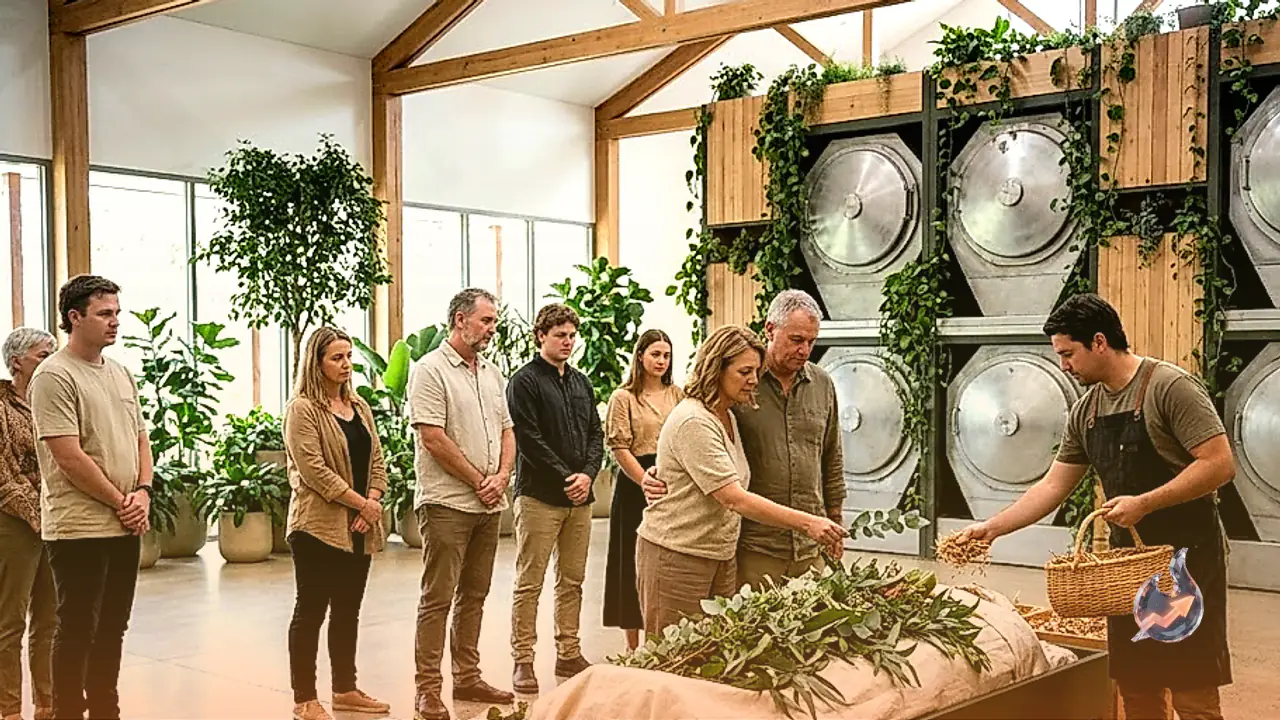
During the human composting procedure, the deceased body is wrapped in a natural shroud and placed inside a specialized vessel. Organic materials such as wood chips, dried straw, and alfalfa are added around the remains to maintain adequate airflow and moisture levels. This scientific process is formally referred to as natural organic reduction, which accelerates the natural breakdown of soft tissues.
Temperature Control and Pathogen Destruction
Inside the containment vessel, temperatures are carefully maintained between 55 and 70 degrees Celsius alongside regulated oxygen and moisture parameters. These specific conditions enable tissues to decompose rapidly while effectively neutralizing harmful disease-causing microorganisms. Within a span of two to three months, the remains transform into a soil-like substance packed with nutrients beneficial for plant growth.
Handling Bones and Medical Implants
Although the majority of the soft body breaks down completely during the cycle, bones and teeth do not dissolve entirely and require mechanical reduction into smaller fragments afterward. Furthermore, any artificial joints, surgical screws, or medical implants inside the body must be meticulously removed prior to the composting process to ensure the final soil remains pure.
Contrasting with Traditional Funerary Practices
Historically, human societies have relied heavily on standard burials or cremations to handle deceased loved ones. Yet, both established methods carry significant environmental concerns. Conventional burials require caskets, chemical preservatives, and vast tracts of land for cemeteries, whereas cremations consume large amounts of fuel and release carbon dioxide emissions. Natural burials offer a chemical-free earth burial, but teramation introduces an accelerated, highly controlled alternative.
Origins and Global Expansion
The movement toward human composting was pioneered in the United States by Katrina Sped, who initiated the Urban Death Project in 2014 and later founded an eco-friendly funeral service named Recompose. At present, fourteen US states permit human composting. Australia is now joining this movement, opening doors for alternative final arrangements once proper operational standards and facilities are fully established.
Environmental Impact and Considerations
Whether human composting stands as a definitively superior environmental choice remains under evaluation. Traditional burials, standard cremations, and teramation each present distinct ecological pros and cons. Comprehensive data comparing the long-term environmental footprints of all available choices is still developing. Additionally, personal preferences must respect religious doctrines, cultural traditions, and family wishes.
Personal Choice and Advance Planning
Ultimately, determining what happens to a person's remains after death remains a deeply personal decision. Experts advise individuals to stay informed about emerging alternatives and communicate their preferences clearly with family members well in advance. Such proactive planning can alleviate the emotional burden on loved ones during difficult times.