























In the expansive landscape of Indian popular music, rarely does an artist operating at the absolute pinnacle of fame choose to voluntarily walk away from the commercial limelight. The journey of playback singer Anuradha Paudwal stands out as a striking example of artistic self-determination. Born on October 27, 1954, she spent her formative years in Mumbai, where a deep-seated affinity for melody and cinema emerged very early in her life. That genuine artistic pull eventually propelled her into professional recording studios. Her playback career officially commenced with the 1973 cinematic release ‘Abhimaan’, a celebrated feature starring Amitabh Bachchan alongside Jaya Bachchan.
The Gradual Climb to Mainstream Commercial Stardom
Initial assignments arrived at a steady, measured pace, but the emotional purity and range of her vocal timbre soon captured the imagination of industry composers. Her solo rendition in the feature ‘Aap Beeti’ provided an early showcase of her versatility, opening doors to collaborations with several prominent music directors. Commercial stardom arrived in full force with the soundtrack of ‘Hero’. The immense public adoration for the film's music turned her into a widely recognized voice across the country. Her creative partnership with the legendary composer duo Laxmikant-Pyarelal proved exceptionally fruitful, producing enduring musical tracks for blockbusters such as ‘Meri Jung’, ‘Tezaab’, and ‘Ram Lakhan’.
The Phenomenon of the Nineties Soundtrack Boom
The dawn of the 1990s elevated Anuradha Paudwal to an entirely new echelon of musical influence with the release of ‘Aashiqui’. The songs composed for this romantic drama became ubiquitous cultural anthems that resonated through households and street corners nationwide. Compositions such as ‘Nazar Ke Samne’, ‘Dheere Dheere Se Meri Zindagi Mein Aana’, and ‘Jaane Jigar Jaaneman’ turned her into a household name across India. During this era, she was widely ranked among the most sought-after playback singers in Bollywood. Her distinct gift for infusing profound emotional warmth and sweetness into every melodic phrase distinguished her sharply from other vocalists of the time.
A Dramatic Turning Point at the Height of Fame
Conventional wisdom in the entertainment business dictates that performers capitalize on peak popularity by accepting as many major commercial assignments as possible. Anuradha Paudwal chose an entirely different creative path. At the exact juncture when she was delivering a continuous string of chart-topping cinematic hits, she began deliberately distancing herself from commercial film recordings. This unexpected redirection sparked wide discussion across the recording industry. A voice that had dominated theatrical releases and vinyl records gradually receded from playback sessions, channeling her primary dedication toward devotional melodies. It was a life-altering turning point that completely redefined her artistic legacy.
Creating a Household Presence Through Sacred Melody
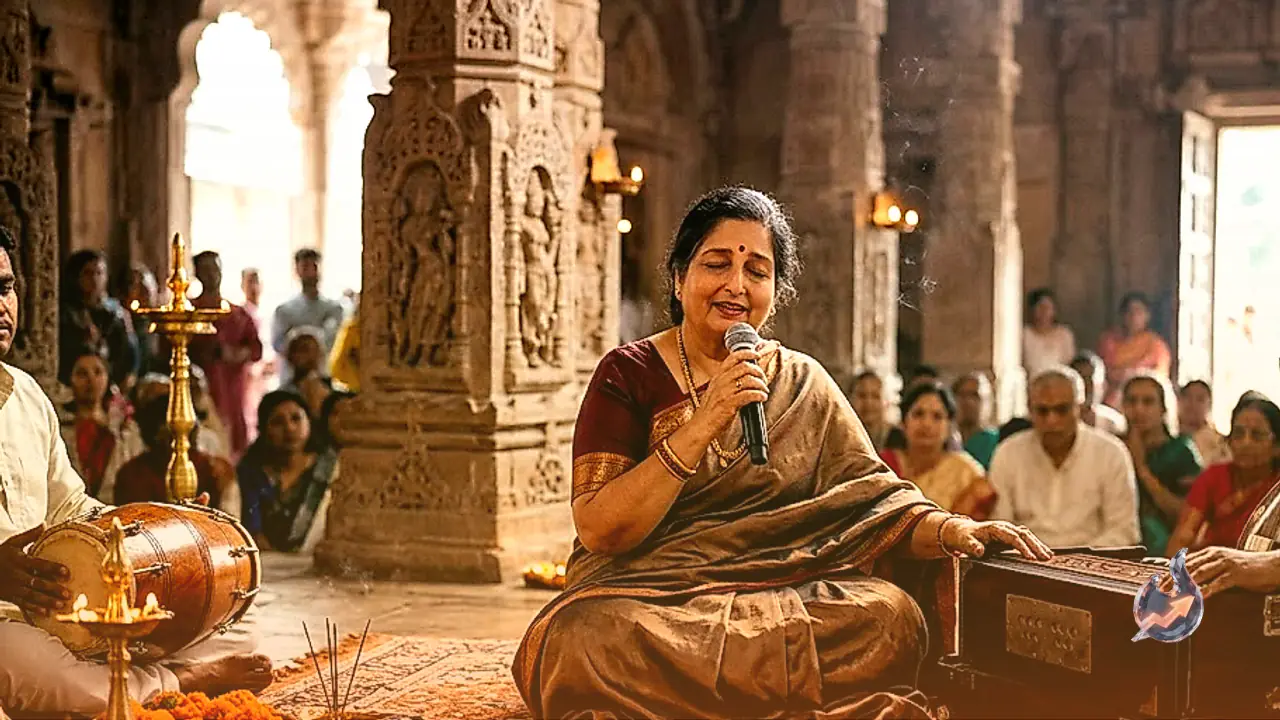
Stepping away from Bollywood studios allowed her to craft an indelible identity within sacred music. Her recordings of hymns, chants, and devotional songs gained tremendous adoration among millions of devotees. During the Navratri celebrations, her devotional tributes to the goddess became customary listening in homes and public celebrations. Similarly, festive observances during Diwali and Chhath Puja regularly feature her devotional music playing across community gatherings. She cultivated the same reverence and affection among listeners of spiritual compositions as she once commanded among film fans. Consequently, her modern legacy is defined not merely as a legendary Bollywood hitmaker, but as a defining pillar of devotional music.
Prestigious Accolades and Enduring Cultural Impact
Over a recording career spanning multiple decades, Anuradha Paudwal received widespread institutional recognition. Her artistic brilliance was honored with four Filmfare Awards and a prestigious National Film Award. Further celebrating her profound impact on Indian cultural life, the Government of India conferred upon her the Padma Shri in 2017. Her professional life remains an inspiring demonstration that an artist's creative identity need not remain confined to a single commercial arena. By conquering mainstream playback singing and then carving out a timeless space in devotional music, she secured an enduring place in the hearts of music lovers.