






















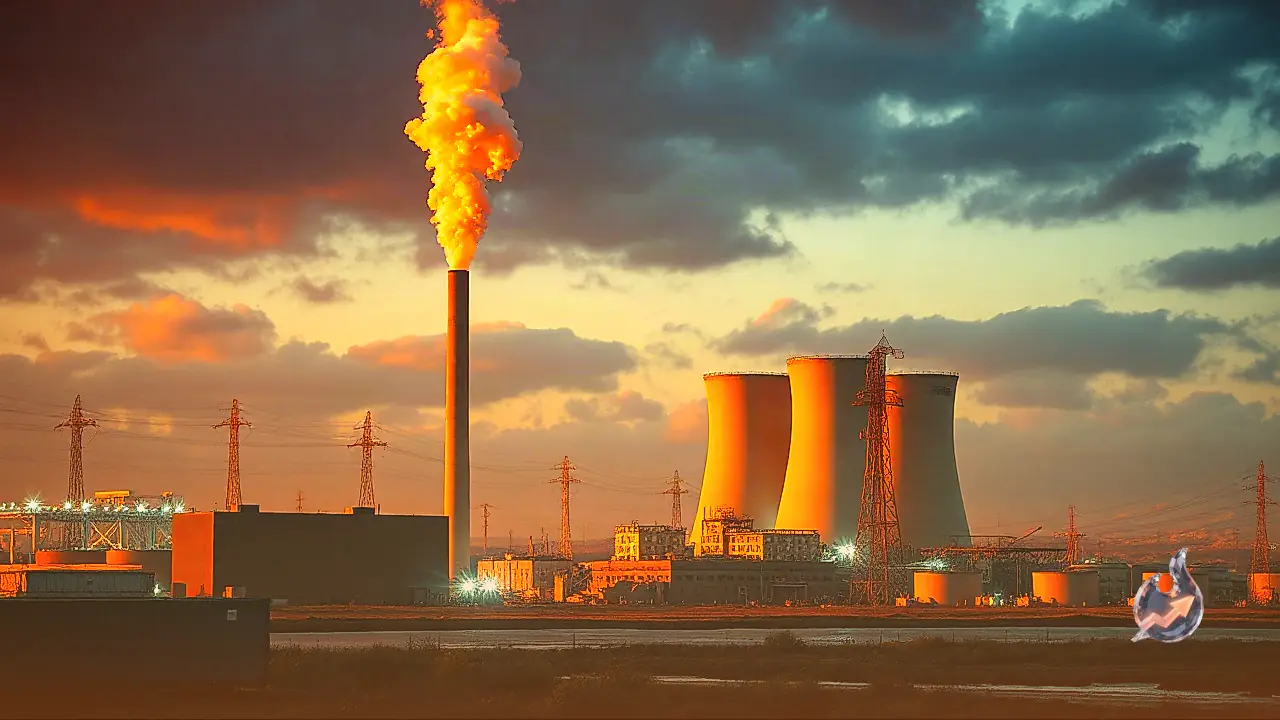

Global Energy Monitor, a research firm, has been actively tracking gas-powered energy projects that have been announced, are currently in development, or are under construction across the United States. In January, the organization discovered that there were 97 gigawatts of gas projects exclusively dedicated to powering data centers at the close of 2025, which represents a massive expansion from the mere 4 gigawatts tracked in early 2024. Now, in a fresh update to this research released Tuesday, the group reports that as of mid-2026, that cumulative demand pipeline has jumped to more than 189 gigawatts. For context, a single gigawatt is capable of powering roughly a million homes.
The Direct Link Between Data Centers and Gas Power
Speaking on this rapid buildout, Jenny Martos, a research analyst at Global Energy Monitor who worked extensively on the report, notes that the US gas power buildout is increasingly getting tied directly to the data center buildout, making it impossible to discuss one without the other. Over the past two years, data center developers have increasingly turned toward private power facilities, commonly referred to as behind-the-meter plants, as a way to bypass lengthy grid connection times. This strategic approach can also potentially help avoid saddling everyday ratepayers with significantly higher utility bills, an issue that has transformed into a major flashpoint as public opposition to data centers mounts nationwide.
Policy Support and Climate Implications
The Trump administration has actively encouraged technology companies to bring their own power generation to the table, introducing a voluntary pledge that has already been signed by industry giants such as Microsoft, Meta, Google, and OpenAI, alongside several prominent Republican governors and major American utilities. However, adding such a massive amount of natural gas power comes equipped with a hefty climate cost, particularly because many of these facilities are being constructed using inefficient turbines that can significantly increase emissions. As previous reporting has highlighted, certain gas plants are specifically permitted to emit more greenhouse gases annually than many small and medium-sized nations combined.
Global Energy Monitor also tracks various energy projects internationally, including in China, which stands as the world's largest importer of natural gas. Much of that imported gas is utilized for manufacturing products like fertilizer and plastic. While the nation maintains a modest fleet of natural gas plants and has experienced a recent surge in gas-fired facilities under development, outpacing the US in early 2020s construction, the domestic data center boom has propelled the US back ahead as the country with the most gas projects in the pipeline, according to the research group.
This shift vividly illustrates how China, which the Trump administration has repeatedly highlighted as America's primary rival in the artificial intelligence race, is relying far less on gas-fueled sources for its own data center buildout. Kyle Chan, a fellow at the Brookings Institution, points out that the overall data center boom inside China is heavily oriented around renewables, particularly solar and hydropower. Many data centers under construction there are intentionally sited in rural regions boasting an excess of renewable energy production. Chan explains that while there have been occasional attempts to develop private power for data centers, those remain smaller projects, and the broader grid integration of renewables is a deliberate governmental choice aimed at securing energy independence.
Constructing gas power for data centers in the US might make immediate economic sense, especially when the goal is to power facilities rapidly without access to the cheap renewable energy available in China, Chan suggests. However, he warns that over the long term, a heavy price must be paid, both in terms of escalating emissions and through a failure to adequately invest in domestic clean energy infrastructure. Martos reminds observers that not every single project tracked by Global Energy Monitor will actually get built, given that many have not yet broken ground. Facing uncertainties ranging from financing hurdles and local opposition to data moratoria and supply chain constraints for turbine equipment, numerous factors remain in play, though she cautions that if all proposed projects materialize, decades of emissions will be locked in.