























The rapid expansion of artificial intelligence infrastructure is creating an unexpected lifeline for the American fossil fuel industry. As tech giants scramble to secure continuous, uninterrupted power for their energy-hungry data centers, two major oil and gas infrastructure players in the United States, Williams and Chevron, are positioning this surging demand as a lucrative growth engine for investors. Rather than relying solely on traditional electric utility grids, technology firms are increasingly partnering directly with natural gas providers to construct dedicated, off-grid power infrastructure, a trend that environmental experts warn could prolong dependence on fossil fuels for decades to come.
According to Ashish Sethia, the global head of commodities and energy research at BloombergNEF, data centers have rapidly emerged as a primary catalyst for both electricity and natural gas consumption across the United States. A comprehensive report released by BloombergNEF indicates that to satisfy the projected escalation in natural gas demand by the mid-2030s, a surge heavily driven by AI workloads, domestic gas production in the US would need to expand by an astounding 36 percent. This aggressive consumption profile is reshaping energy market forecasts and driving long-term capital allocation strategy across the fossil fuel sector.
The environmental ramifications of this tech-energy alliance are substantial. Permit applications for just five of the seven data-center-dedicated gas power plants highlighted in recent second-quarter financial results from Williams and Chevron reveal that these facilities could collectively release up to 21 million tons of greenhouse gases annually. To put that figure into perspective, it roughly equals the total annual greenhouse gas emissions of the entire nation of Guatemala. Although actual operational emissions might fall below the maximum thresholds authorized in government permits, environmental advocates stress that adding such massive fossil fuel capacity directly threatens climate mitigation targets.
The Rise of Off-Grid Power Solutions and Tech Partnership Models
This growing synergy between energy producers and technology firms comes as utility companies across the United States struggle to accommodate massive electrical loads. Building dedicated power generation facilities adjacent to data centers, often described in the industry as "behind-the-meter" or islanded infrastructure, allows tech developers to bypass long interconnection queues and avoid triggering sharp retail electricity rate hikes for domestic consumers. However, clean energy advocates argue that this arrangement undermines systemic efforts to phase out polluting energy sources.
Lukas Shankar-Ross, deputy director at the environmental non-profit Friends of the Earth, expressed deep concern over this emerging corporate alliance. He highlighted that providing a fresh, high-margin market for natural gas at a moment when global climate goals demand a rapid transition to renewables presents a grave setback for environmental policy. By signing multi-decade agreements, tech companies are effectively underwriting the long-term capitalization of fossil fuel infrastructure that might otherwise face economic obsolescence.
Executives from both Williams and Chevron underscored during their second-quarter earnings calls that the infrastructure currently under construction represents merely the initial phase of a multi-year growth trajectory targeted specifically at the hyperscale data center market. Both corporations anticipate expanding these specialized energy services for years to come as computing demands continue to escalate.
Williams Expands Multi-Billion Dollar Natural Gas Assets in Ohio
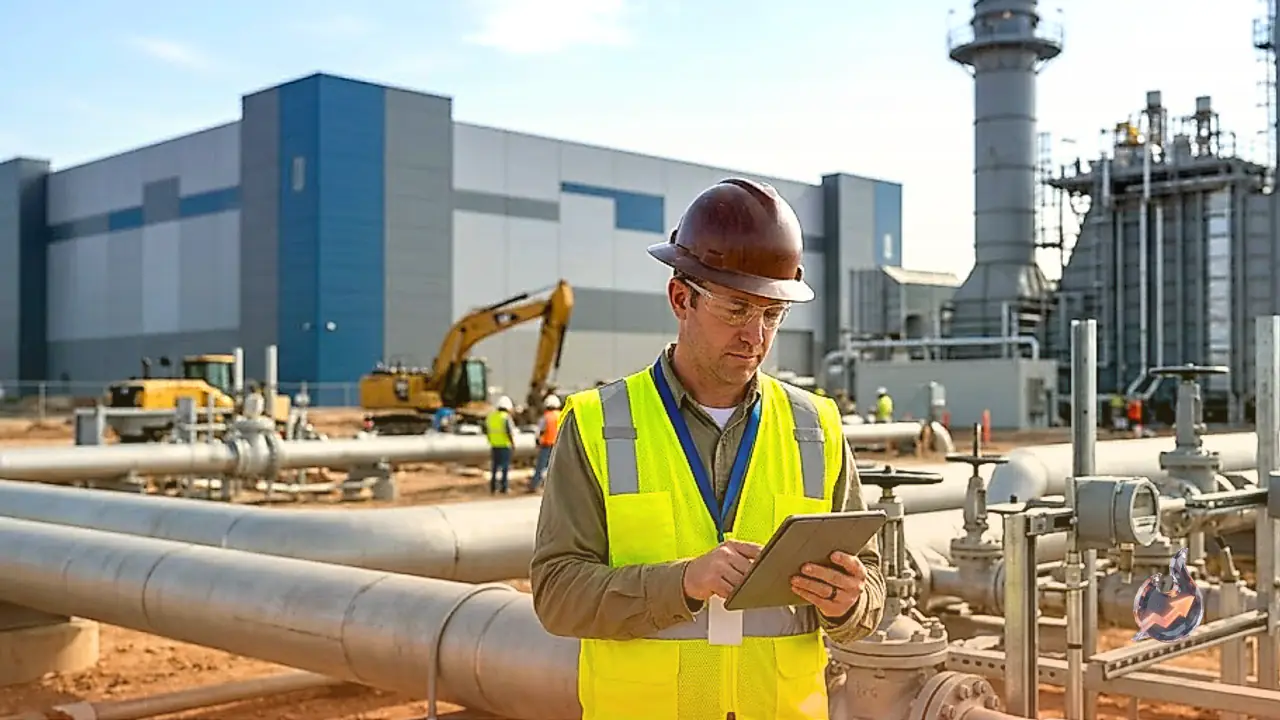
While Williams may not share the household name recognition of oil majors like Chevron or Exxon, it ranks among the largest natural gas infrastructure operators in North America. Over the past year, the company has aggressively cultivated a highly lucrative data-center services unit designed to offer turn-key energy solutions to enterprise tech customers. Last year, Williams announced groundbreaking plans to construct a dedicated power plant and supporting natural gas pipeline infrastructure in Ohio, engineered exclusively to serve a large-scale data center facility.
Today, Williams is developing six distinct behind-the-meter natural gas power plants for data centers across the country. Four of these projects are specifically dedicated to powering data center campuses operated by Meta in Ohio. When contacted for comment regarding these energy arrangements, Meta declined to provide official statements. In mid-July, Williams announced that it had secured over $5 billion in capital investments for its expanding data center enterprise, backed by financial backing from private equity firm KKR.
Regulatory permit documentation for the four Williams power plants serving Meta indicates that these facilities could emit up to 9.6 million tons of greenhouse gases per year. According to benchmark comparisons from the Environmental Protection Agency (EPA), that volume of annual carbon pollution is equivalent to the combined emissions of more than 22 standard natural gas power plants. Addressing these environmental projections, Williams spokesperson Alex Schott stated that the installations are engineered to operate well below their legal permit limits and will fully comply with all state air quality regulations. Schott added that internal company modeling indicates actual operational emissions could potentially be up to two-thirds lower than the maximum figures noted in official permit filings.
In addition to power generation units, Williams is constructing a 9-mile natural gas pipeline through a suburban corridor in Ohio. Company leadership envisions this pipeline acting as a regional energy backbone, serving not only the initial Meta-affiliated generation plants but also supplying fuel to a broader cluster of data centers expanding throughout the area. Speaking on an earnings call in May, Williams president Chad Zamarin explained that the company deliberately overbuilt the transport capacity of the pipeline to create a strategic energy artery capable of supporting multiple future commercial development projects.
The flagship behind-the-meter generation plant being constructed by Williams for Meta in Ohio boasts a capacity of just under 700 megawatts. While substantial, this project is part of a broader industry trend toward scaling up localized natural gas generation to meet unprecedented digital processing demands.
Chevron Secures Landmark 20-Year Microsoft Deal in Texas
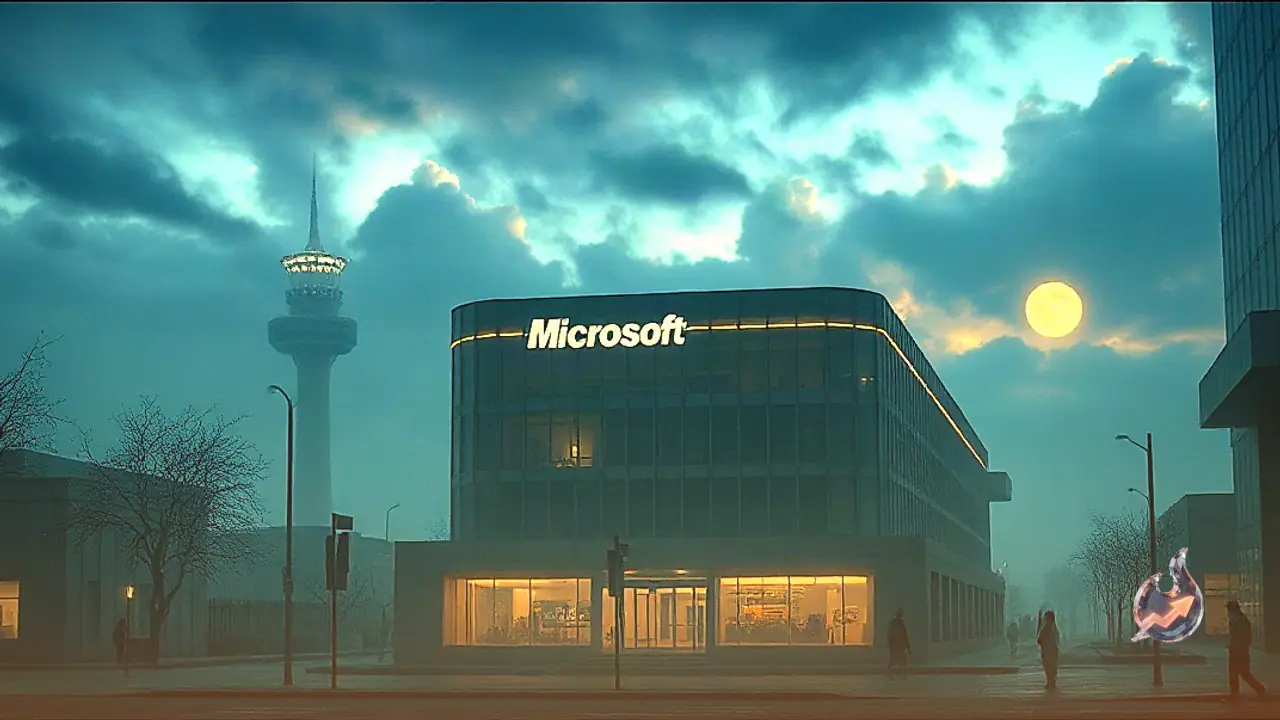
While Williams' 700-megawatt facility represents a massive capital commitment, Chevron is undertaking an even larger project in Texas. The energy giant is building a massive 2.67-gigawatt natural gas power plant designed specifically to supply electricity to a Microsoft data center complex. Chevron featured this high-profile partnership prominently across its investor presentations following its recent quarterly earnings announcement, where the company posted its highest quarterly profits in six years.
Chevron confirmed that it finalized a formal agreement with Microsoft in June. Under the terms of the deal, the companies entered into a 20-year power purchase agreement (PPA), securing a fixed commercial arrangement for electricity supply over two decades. By comparison, Williams' power supply agreements with Meta span between 10 and 12.5 years. Chevron highlighted that its Texas project represents the only multi-gigawatt power agreement with such an extended contractual duration currently active in the data center market. Regulatory records show that the power facility quietly sought a local school district property tax abatement valued at millions of dollars, a tax incentive package that state authorities finalized late last month.
Environmental permit filings for the Chevron-Microsoft power plant indicate that the facility could generate over 11.5 million tons of carbon-dioxide-equivalent emissions annually. In response to environmental inquiries, Chevron spokesperson Paula Beasley affirmed that the generation plant is engineered in full compliance with federal and state environmental standards. Beasley explained that the facility's operational design prioritizes natural gas generation to guarantee reliable, uninterrupted capacity, while maintaining the flexibility to incorporate renewable energy generation sources in future phases.
Microsoft did not respond to requests for comment regarding the Texas power arrangement or its long-term corporate sustainability goals. Meanwhile, Jeff Gustavson, president of Chevron's New Energies division, told investors during Friday's earnings call that the Microsoft project establishes a repeatable commercial framework. Gustavson revealed that Chevron is actively engaged in discussions with additional potential data center clients seeking similar dedicated power setups, noting that public utility grids remain unable to keep pace with the massive power requirements of hyperscale cloud providers, a structural bottleneck he expects to persist for years.
Policy Mandates, Grid Congestion, and Climate Transition Risks
The rapid emergence of massive, off-grid power generation built specifically for tech applications represents a novel shift in national energy dynamics. As residential utility rates rise across the United States, contributing to growing political resistance against local data center developments, the Trump administration is actively encouraging technology firms to pursue self-generation solutions that prevent data center expansion from adding stress to public electrical grids.
Industry analysts emphasize that market dynamics are shifting as a result. Ashish Sethia noted that new data center announcements are increasingly clustering in regions equipped with robust natural gas pipeline infrastructure. However, whether these large-scale private power facilities will remain isolated or eventually integrate into the public grid remains a central uncertainty for future national energy pricing. While Chevron's investor disclosures suggest plans to interconnect the Microsoft power plant to the Texas electrical grid sometime after 2030, the regional grid operator faces substantial administrative backlogs for new connections. Beasley noted that Chevron has already submitted an interconnection application, which could eventually allow surplus power export and provide grid reliability benefits once approved.
Similarly, Williams spokesperson Alex Schott stated that the company is actively exploring advanced technologies to maximize the efficiency of its gas generation fleet, noting that future grid interconnection opportunities will be evaluated as long-term load profiles and regional power needs become clearer. Nevertheless, climate analysts caution that capital-intensive fossil fuel assets carry multi-decade operational lifespans that far outlast short-term political shifts. Building extensive gas infrastructure today threatens to lock in fossil fuel dependence and stall the clean energy transition, even if political momentum for climate policies resumes in the future. As Shankar-Ross observed, if a dual energy system emerges 20 years from now, with a public grid powered by renewables alongside a private grid running on fossil gas, tech leaders like Microsoft will bear clear responsibility for that outcome.