
























The threat of a stranger shutting down your battery-powered vehicle from their own phone has now landed on the government's radar. The Centre has directed Google and Apple to pull at least seven mobile applications from their stores, apps that can allegedly be used to remotely interfere with battery-operated vehicles. The decision comes after viral videos surfaced showing individuals switching off e-rickshaws using nothing more than their smartphones.
The Ministry of Electronics and Information Technology (MeitY) has served notices on both app store operators, asking them to take down the identified apps after officials found they could be exploited to remotely disable batteries in e-rickshaws and other electric vehicles. The ministry has also signalled that more such applications are being examined, and any app found to enable unauthorised remote control of EV batteries could face the same action.
Which apps have been flagged
According to government officials, the apps identified so far include:
- BAT-BMS
- SMART BMS
- LOSSIGY
- Four other battery management applications currently under government review
Anyone who owns an electric vehicle, especially an e-rickshaw or an aftermarket lithium battery pack, is advised to check whether any of these applications are sitting on their smartphone. If you do rely on a battery management app, make sure it comes from your own battery manufacturer and that the battery system has proper security protections switched on.
Why is the government blocking these apps
Officials have been clear that battery management apps are not illegal in themselves. In fact, they are used widely across the electric vehicle industry to keep an eye on battery performance, charging status, voltage, temperature, current flow and overall battery health.
The problem shows up when certain battery packs allow Bluetooth connectivity without strong authentication or password protection. In those cases, an app built for battery monitoring could allegedly be misused to gain deeper control over the battery system, including interfering with battery discharge or remotely disabling the vehicle. The government's focus is less on the apps alone and more on stopping the misuse of insecure battery management systems that could put public safety at risk.
Viral e-rickshaw videos triggered the action
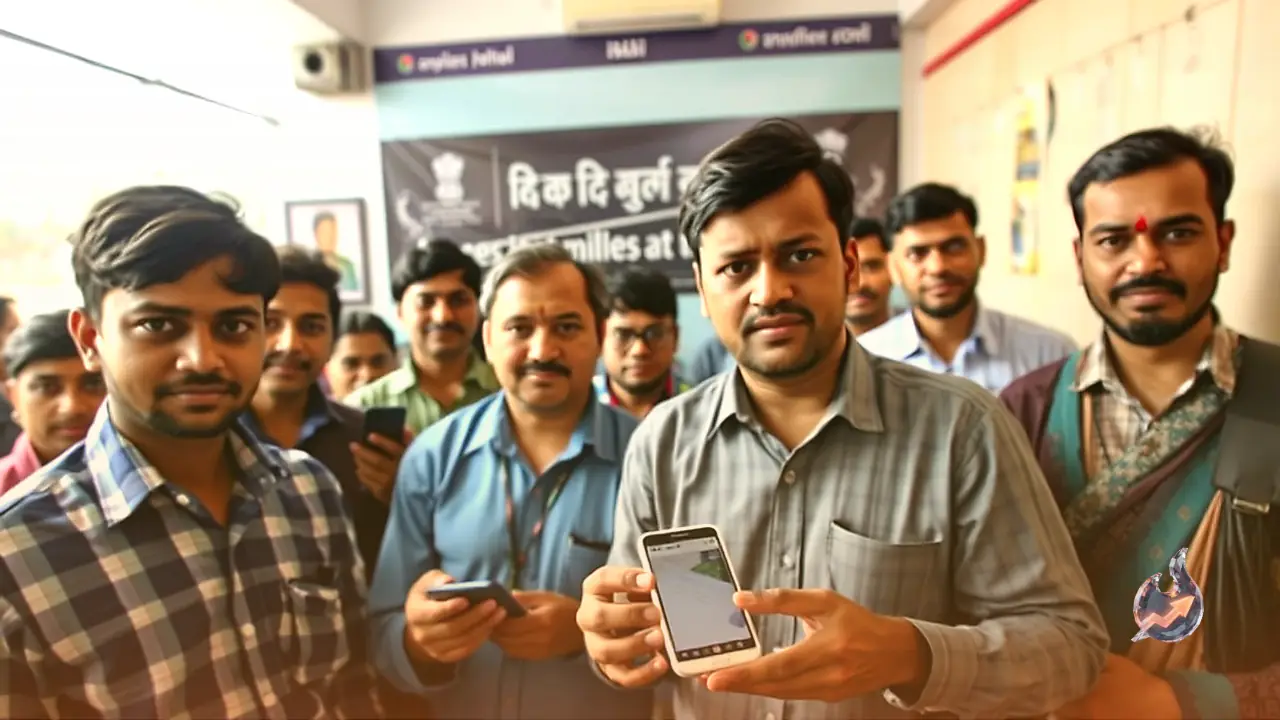
The matter drew nationwide attention after several videos appeared on social media showing people remotely switching off e-rickshaws through mobile apps while standing nearby. The clips spread fast, raising alarm among drivers, fleet operators and passengers about the security of battery-operated vehicles.
For thousands of e-rickshaw drivers, this is far more than a prank. Many of them live off their daily earnings and drive rented vehicles. A battery disabled from a distance can leave them stranded for hours, costing them income and leaving passengers in the lurch. The episode has also underlined the wider cybersecurity worries around connected EV technology, just as India's shift to electric vehicles picks up pace.
More apps could be next
The Centre has indicated that this list of seven may not be the last. Officials said similar applications are being scrutinised, and any software found capable of enabling unauthorised interference with battery-operated vehicles could also be removed.
Earlier, MeitY Secretary S. Krishnan confirmed that the issue had come to the government's notice and said two such applications had already been taken off the app stores. He added that the ministry would keep engaging with Google, Apple and other stakeholders to ensure potentially risky apps are pulled down quickly.
What exactly is a Battery Management System (BMS)
A Battery Management System (BMS) is an essential part of every lithium-ion battery pack used in electric vehicles. It continuously tracks the battery's voltage, current, temperature, charging cycles and overall health, while protecting it against overcharging, overheating, excessive discharge and other operational risks.
Many manufacturers also bundle a companion smartphone app that lets owners monitor these battery readings in real time over Bluetooth. Cybersecurity experts, however, warn that if such systems lack adequate authentication, encryption or password protection, they can become vulnerable to unauthorised access.