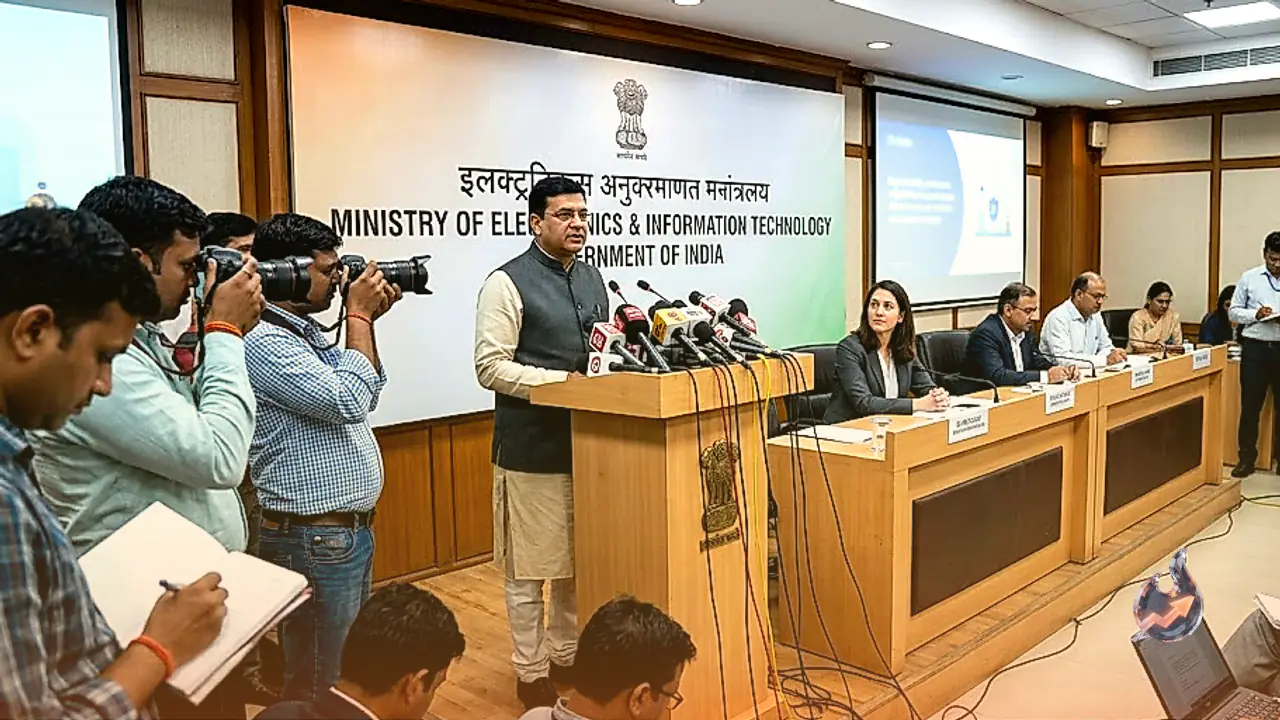




















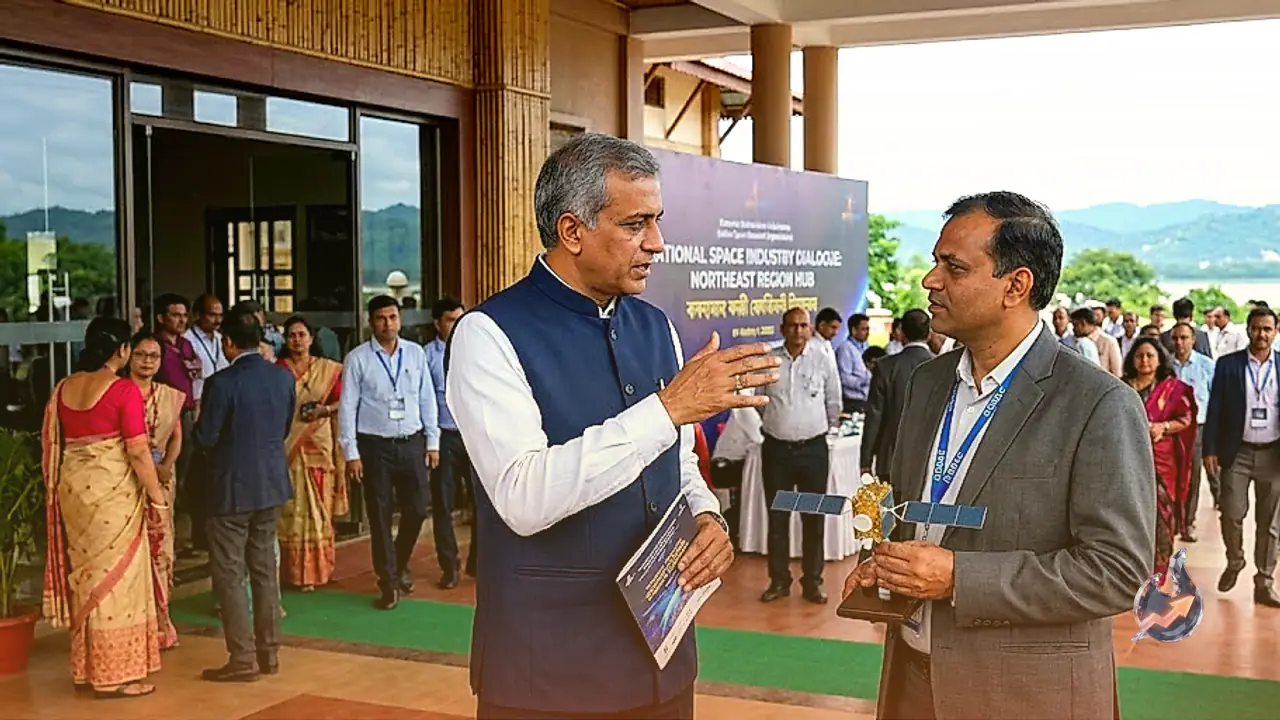

The Northeast region is stepping into a more prominent role within India's growing space economy as the Space Industry Association of India prepares to host a major two-day gathering in Guwahati later this month. Bringing together over 200 delegates from government agencies, defense, telecommunications, academia, and private startups, the initiative aims to transform the region from a mere consumer of space applications into an active developer, testing ground, and commercial marketplace.
The Northeast India Space Workshop 2026
Titled the Northeast India Space Workshop 2026, the event is organized by SIA-India in partnership with the North Eastern Space Applications Centre. Scheduled for August 26 and 27 at FREMAA, Assam Water Centre in Guwahati, the workshop centers around the theme Leveraging Space Technology: Regional Transformation to Global Reach. Discussions will examine how the region can serve as a strategic gateway for space-enabled solutions targeting Southeast Asia and the Global South.
Strategic Geography and National Space Day
The gathering takes place against the backdrop of National Space Day, which marks the anniversary of Chandrayaan-3 landing on the Moon on August 23, 2023. Marking SIA-India's first major regional initiative outside New Delhi, the event highlights the unique geographical advantages of the eight northeastern states. Accounting for 7.97% of India's total landmass and sharing 5,484 kilometers of international borders with five countries, the region faces distinct environmental and connectivity hurdles that create high demand for satellite communications, Earth observation, and geospatial intelligence.
Institutional Strengths and Existing Infrastructure
The Northeast already possesses robust institutional capabilities through organizations like NESAC, which has spearheaded nearly 130 space-application projects across agriculture, disaster management, and infrastructure development. Additionally, the North Eastern Spatial Data Repository maintains comprehensive geospatial records covering water bodies, land use, and terrain data. The upcoming workshop will bridge these established public-sector foundations with private innovators, venture capital investors, and technology developers.
Commercial Expansion in India's Space Sector
This regional push aligns with the rapid commercialization of India's broader space industry. According to SIA-India, Indian SpaceTech startups have secured roughly US$871 million across 241 funding rounds involving 285 companies since 2021, a dramatic leap from the US$43 million raised across 12 rounds in 2021 alone. Startups have pulled in approximately US$113 million in equity funding during 2026. Furthermore, IN-SPACe had authorized 105 private entities by July 2026, complemented by milestones like the successful Vikram-1 mission.
Perspectives from Industry Leadership
SIA-India President Dr Subba Rao Pavuluri emphasized that the region's operational environment and proximity to neighboring international markets offer unique two-way growth opportunities. SIA-India Director General Anil Prakash noted that the focus should lie on forging direct connections between research bodies, market demands, and commercial partners rather than building redundant institutions. Prakash added that the Northeast could function as a real-world proving ground for downstream applications, paving the way for wider deployment across regions sharing similar terrain and weather profiles. Related regional developments, such as Assam welcoming the world's first IVF female calf of Lakhimi breed and Meghalaya Police appointing a nodal officer for vehicle movement, underscore a broader administrative push for modern solutions across the area.