



















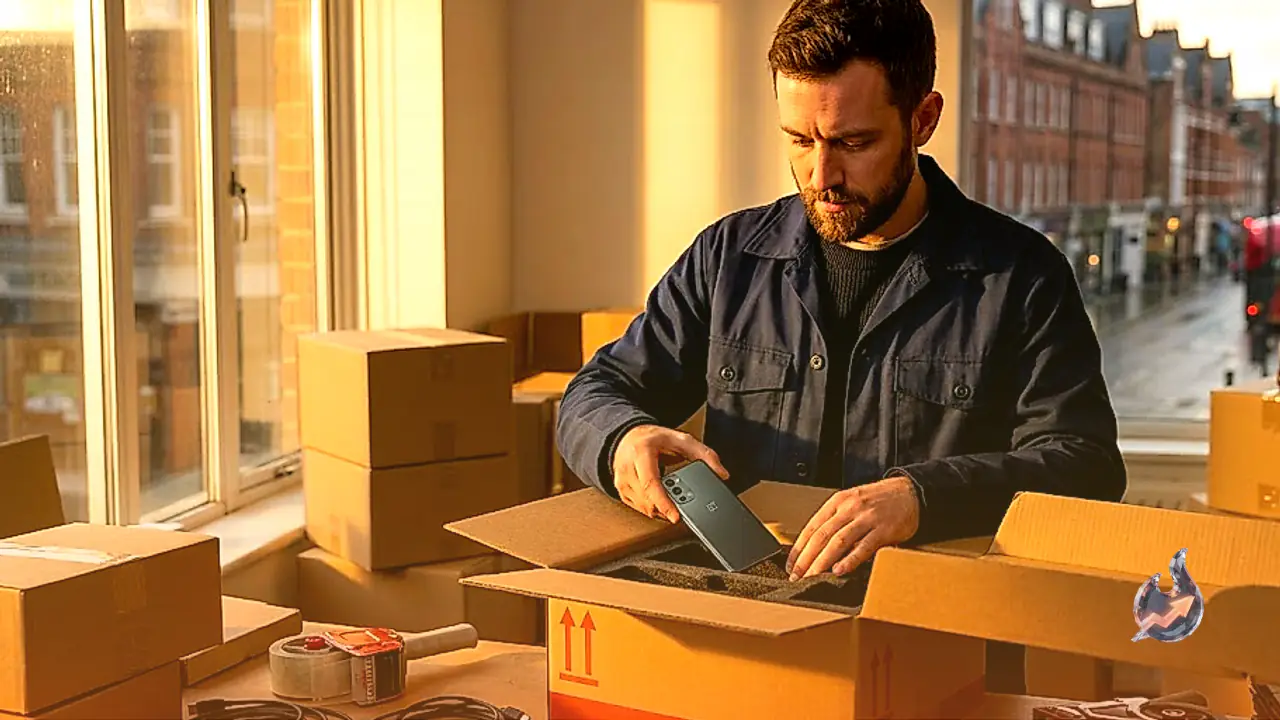

OnePlus has told customers in a formal notice that it will stop developing new smartphones for sale in the United States and Europe, closing the door on a brand that spent more than a decade trying to break into two of the toughest phone markets on earth. For people who already own a OnePlus device, the announcement raises an obvious question: what happens to the phone in your pocket now that the company that built it is stepping away from your region?
A Decade-Long Climb That Ended in Retreat
OnePlus built its reputation among enthusiasts by offering flagship level hardware, fast performance and clean software at prices well below what Apple and Samsung charged, without ever capturing a large share of the market. Over the past several years, though, the company gradually moved away from that enthusiast first approach and began competing directly in the mainstream flagship category, at mainstream flagship prices. That repositioning did not change the underlying reality of the U.S. smartphone market, which remains dominated by Apple and Samsung much as it was when OnePlus entered. Rather than closing that gap, OnePlus has now stepped away from the fight entirely, leaving the market with one less competitor than before.
What Existing OnePlus Owners Can Expect
OnePlus says it is not abandoning the people who already own its phones. In its official Notice of Business Adjustment, the company confirmed that existing devices will keep receiving software updates and security patches, and that after-sales support will continue for as long as a device remains under warranty. In practical terms, that means current owners should not notice any immediate change: phones will keep getting patched against security vulnerabilities, and OnePlus will still repair or service a device that develops a fault while still covered by warranty. For now, at least, the day to day experience of owning a OnePlus phone in the U.S. is expected to stay the same.
OxygenOS Gives Way to ColorOS With Android 17
The more significant change is set to arrive once Android 17 reaches OnePlus devices. Instead of continuing to update its own OxygenOS software, OnePlus will move eligible devices onto ColorOS, the operating system used by its parent company, Oppo. That transition will happen specifically when ColorOS reaches its Android 17 based version, ColorOS 17, rather than immediately. Devices OnePlus classifies as legacy models, which will not support ColorOS 17, are set to remain on OxygenOS, continuing to receive software maintenance but no further feature updates.
ColorOS and OxygenOS are already fairly close in look and feel, sharing a similar interface and many of the same features, although the exact set of apps bundled with ColorOS differs by region, and some regions have criticized it for including apps that amount to bloatware. Because ColorOS has never previously shipped on a device sold in the United States, it is not yet clear exactly what the experience will look like for U.S. based OnePlus users once the switch happens, including whether it will add extra apps or services that are not currently present on their phones. Recognizing that some users may prefer to stick with the software they already know, OnePlus has said that owners will be able to decline the ColorOS update altogether, and that those who do switch and dislike it will be able to roll back to OxygenOS.
Fewer Choices Left in an Already Narrow Market
OnePlus exiting the U.S. and Europe does not only affect people who already own its phones. It removes one more competitor from a smartphone market that offered only a handful of real alternatives to Apple and Samsung in the first place. With OnePlus gone, Google and Motorola are essentially the only other companies still making Android phones for the U.S. market, and it is unclear how that reduced competition will shape their strategies going forward. Many details of OnePlus's plans remain unresolved, including exactly how the ColorOS rollout will work for U.S. devices, so owners will likely need to watch for further updates from the company as the transition gets closer.