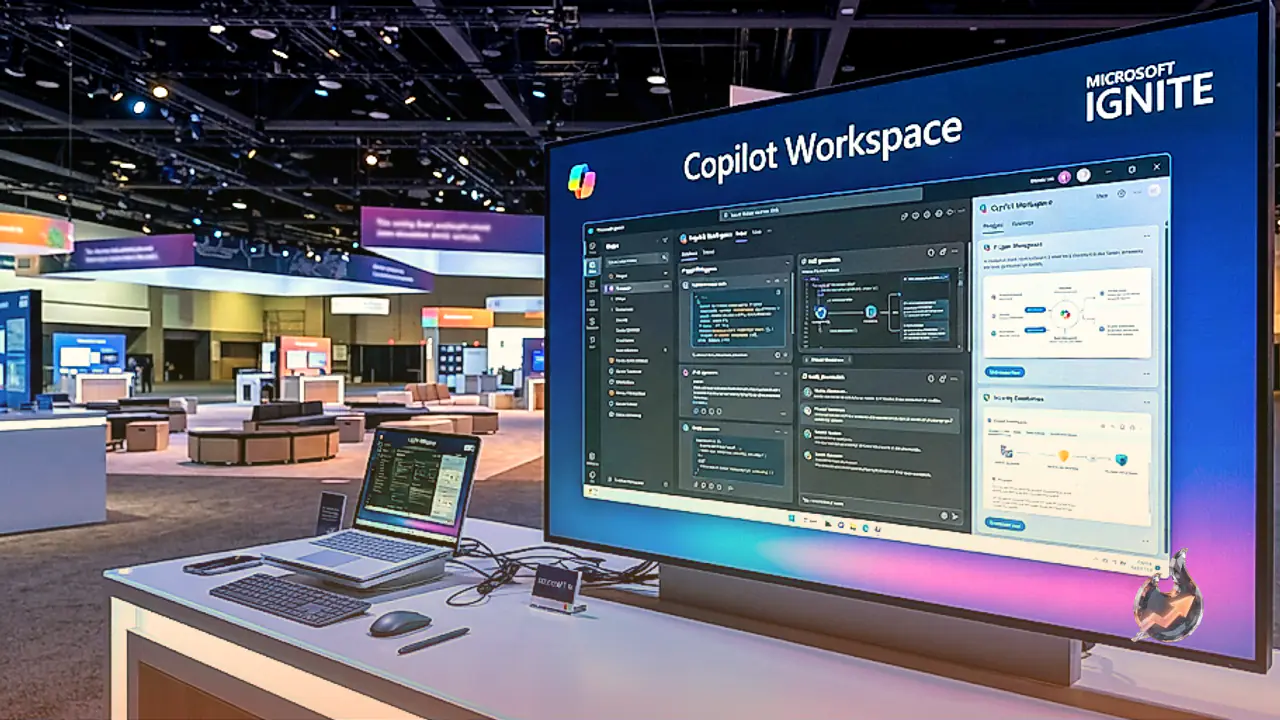

Artificial intelligence has become a dominant topic across industries globally, with organizations of all sizes increasingly adopting these systems for daily operations. Amid this rapid integration, Microsoft CEO Satya Nadella warned at the Microsoft Ignite 2026 event in San Francisco that global systems cannot be sustained by relying solely on AI. The surge in adoption has already driven widespread layoffs within the IT sector, fueling growing anxiety among workers regarding job security and whether automated models will ultimately replace human employment. While prominent developers such as Anthropic, Google, and OpenAI continue to introduce advanced iterations, Nadella highlighted the underlying risks and outlined proactive measures to address them.
Broader Threats to Economy and Democratic Structures
Nadella noted that if automated models completely supplant human labor, the consequences will extend far beyond immediate workforce reductions and unemployment, potentially destabilizing entire national economies and democratic frameworks. He emphasized that a commercial ecosystem defined entirely by capital without active human participation cannot be classified as a functioning economy. When machines assume all labor responsibilities, ordinary citizens lose their purchasing power and economic leverage, undermining the stability of democratic nations. He compared this transitional vulnerability to the era of globalization, when outsourcing practices internally weakened local industrial ecosystems across multiple countries.
Concentration of Digital Power Among Select Firms
According to the Microsoft executive, the primary danger does not stem from any single application or advanced model, but rather from the centralization of digital power in the hands of a few dominant technology corporations. These entities could potentially exert disproportionate control over global operations given that advanced models lack defined operational boundaries. If the entirety of collective human knowledge becomes concentrated within a handful of proprietary systems, the ongoing viability of competing organizations and their workforces could face severe jeopardy. A prior report published by Anthropic similarly highlighted associated security risks, warning that such capabilities could theoretically be exploited to disseminate dangerous biological agents, execute cyberattacks, deploy spyware, or propagate disinformation campaigns.
Mitigating Risks Through Token Capital and Self-Reliance
To navigate these prospective challenges, Nadella proposed a strategic framework for corporations centered on what he termed token capital. He advised that instead of depending entirely on external AI infrastructure, organizations should cultivate internal technological capabilities alongside the core competencies of their human employees. By developing cost-effective proprietary models, businesses can retain exclusive control over their operational data. As organizational token capital expands, the value of human intellect and personnel is projected to grow rather than diminish. Reflecting this vision, Microsoft has introduced specialized tools designed to enable startups and large enterprises alike to operate customized systems that foster collaboration between human teams and automated workflows.