
























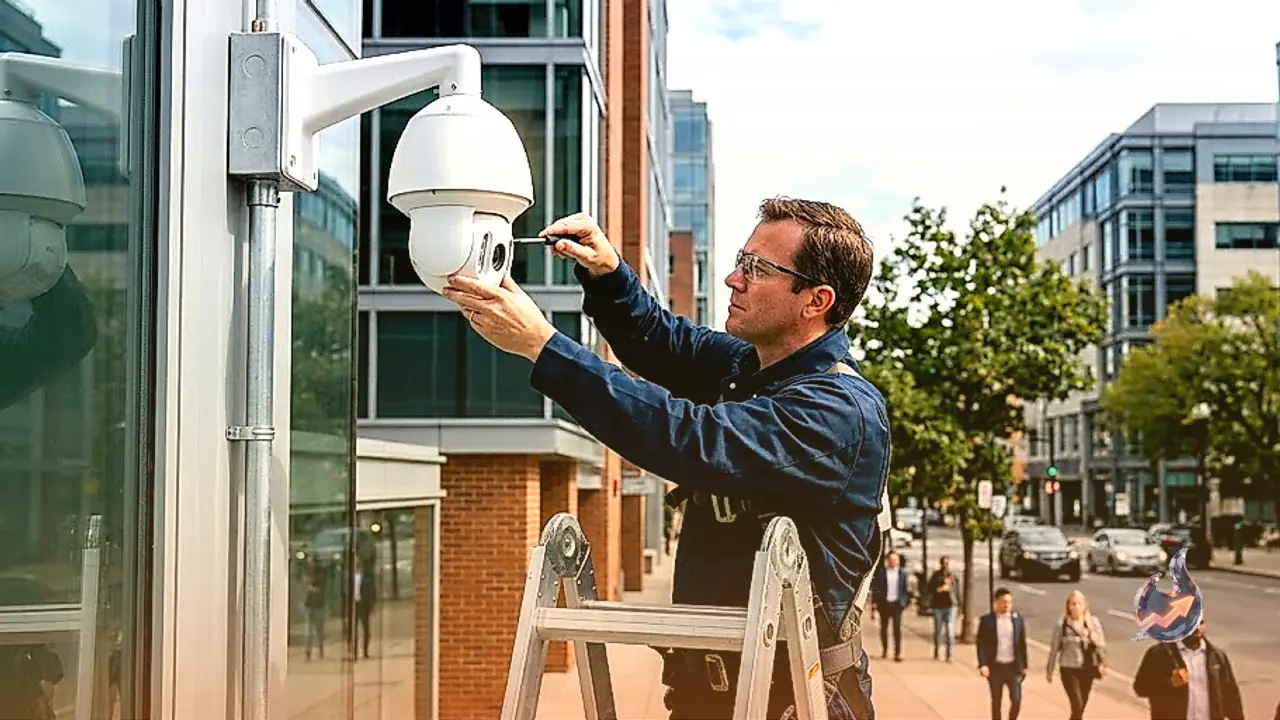

Surveillance technology has become an integral aspect of modern security infrastructure across residential properties, corporate offices, retail spaces, educational institutions, and public venues. When observing security setups, one common design trait immediately stands out: an overwhelming majority of closed-circuit television cameras feature a crisp white casing. While this uniform appearance might initially seem like a basic aesthetic preference or standard cosmetic trend, manufacturers choose white based on solid thermal engineering principles and practical operational requirements.
Solar Heat Reflection and Component Longevity
The primary technical motivation for deploying white housings involves thermal dynamics. White surfaces possess a high solar reflectance property, effectively bouncing back sunlight and radiant thermal energy away from the device. In contrast, dark or black outer surfaces absorb heat rapidly, causing structural temperatures to surge. Because many security units are mounted in open outdoor environments directly exposed to unrelenting sunlight, white outer shells help moderate the thermal envelope surrounding the internal architecture.
Continuous operation under elevated thermal conditions poses a direct threat to delicate electronic components. Overheating can degrade image sensor performance, cause processing bottlenecks, and shorten the total operational lifespan of the hardware. By keeping external heat absorption to a minimum, white casings help maintain a stable internal temperature. Consequently, internal circuits experience less thermal stress, ensuring consistent operational reliability and extending the overall working life of the equipment.
Visual Visibility and Deterrence Impact
Beyond thermal considerations, the visibility of surveillance equipment serves a psychological and practical purpose. Security systems are designed not only to capture high-definition recordings of events but also to act as an active visual deterrent. White devices stand out clearly against most building facades, ceilings, and structural elements, immediately signalling that an area is under continuous monitoring.
This heightened visibility helps discourage unauthorized activity and reduces security misunderstandings. Nevertheless, white is not the sole option in the market. Manufacturers also offer black, silver, and specialized neutral-toned casings designed for discreet surveillance setups or tailored architectural aesthetics where low visibility or covert positioning is necessary.
Factors That Define Actual Camera Quality
A common point of inquiry among buyers is whether the color of a security device correlates with its overall performance or build quality. The reality is that the color of the casing is entirely tied to physical design utility rather than internal capabilities. The true quality of any surveillance device is determined exclusively by its core specifications and hardware features.
Key metrics that govern camera performance include image resolution, night vision capabilities, optical sensor quality, video stabilization features, and ingress protection (IP ratings) for weather resistance. These technical specifications, alongside software integration and processing hardware, remain the true measures of an effective security system regardless of whether the outer shell is white or any other shade.


