























From sipping morning tea to heading to bed at night, our daily lives revolve entirely around the internet. Whether shopping online, transferring funds to friends, or filling out government forms, everything is possible with just a few clicks. The internet has truly simplified modern life, making everyday tasks remarkably effortless. However, hidden beneath this glittering digital surface lies a dark shadow capable of wiping out anyone's hard-earned savings in a fraction of a second.
As smartphones and internet connectivity reach the farthest corners of the country, novel methods of online fraud and cybercrime are constantly emerging. Simply laying down internet infrastructure across villages and cities is not enough. Kumar Rajgoswami, Vice President of Strategic Initiatives and India Country Head at Dexian, explicitly states that the true strength of a digital nation will only be realized when every citizen can use the internet fearlessly and with complete understanding.
Cyber Education Beyond English
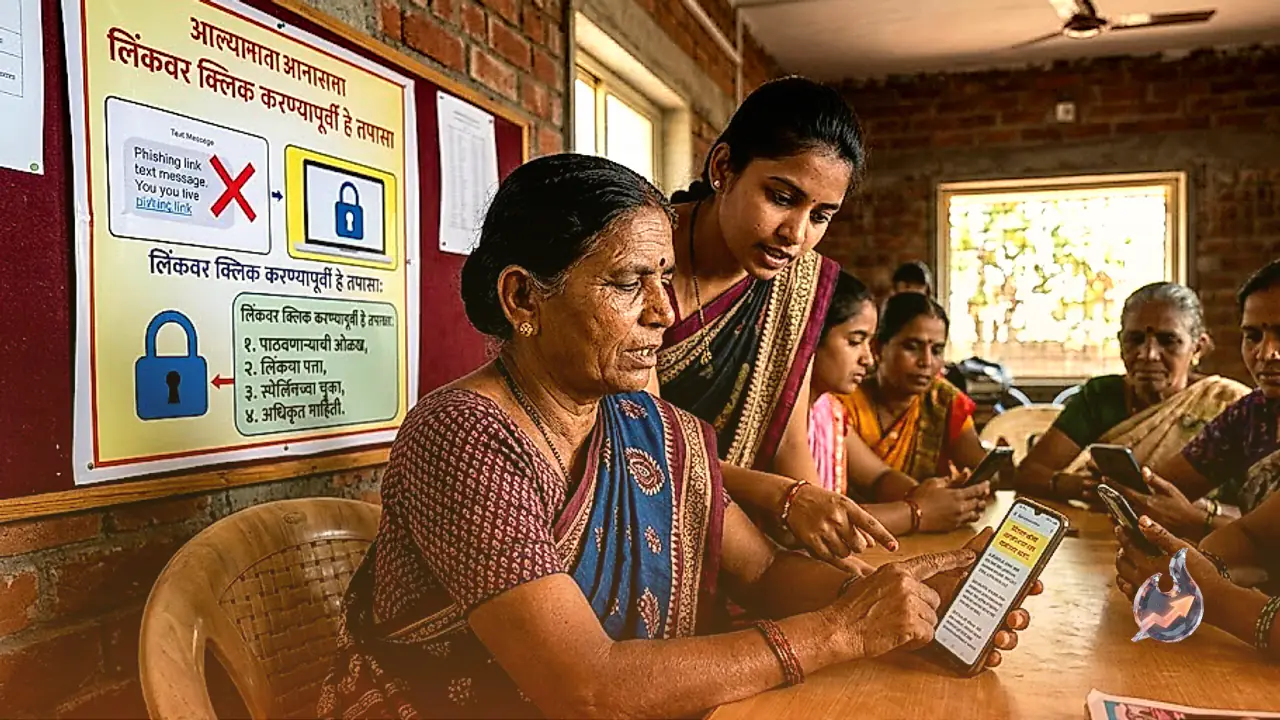
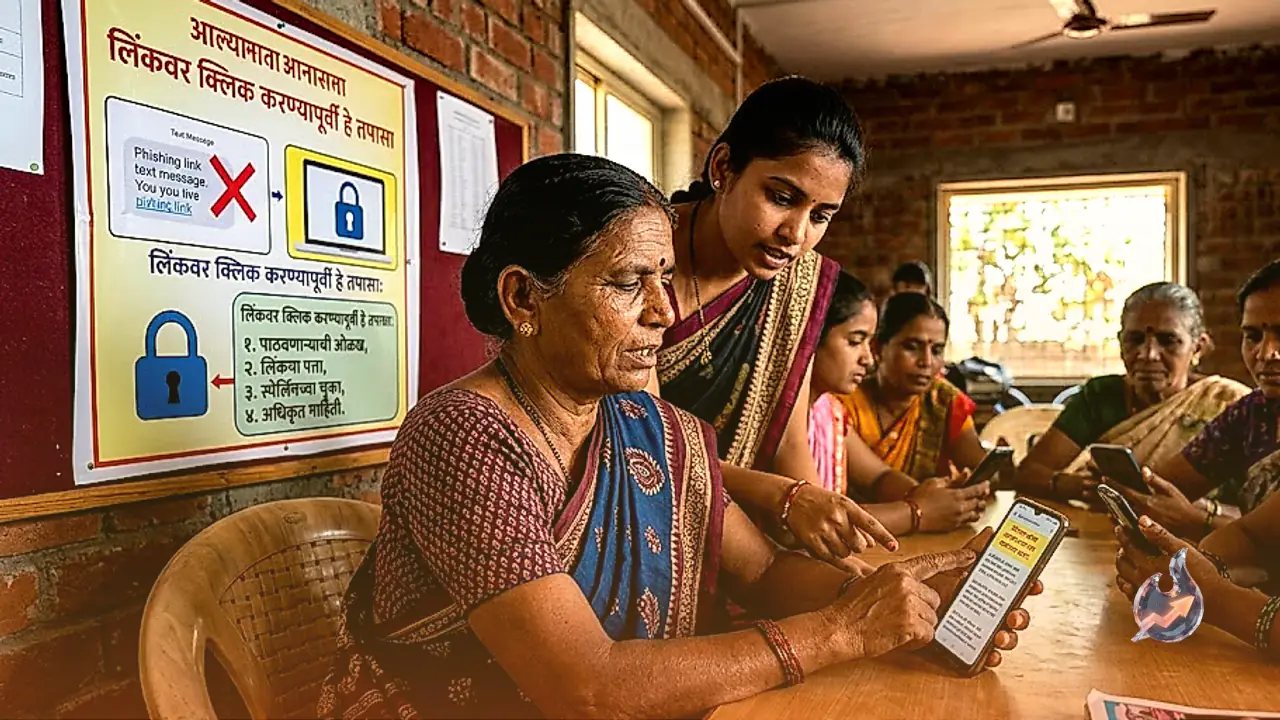
According to Kumar Rajgoswami, the country's most pressing need is to ensure that cyber security education is not restricted to English or heavy technical terminology. This knowledge must reach ordinary people through regional languages. Until our parents, elders in society, and youth in smaller towns understand the mechanics of cyber fraud in their native tongues, the vision of a digital nation will remain incomplete. Understanding how digital literacy delivered in mother tongues can protect every citizen from online scammers is vital.
The Language Barrier and Easy Targets for Scammers
Millions of people across the country use smartphones extensively. Yet, due to a lack of strong English proficiency, many fall victim to online fraud. Important bank warnings or OTP-related messages arriving in English mean many fail to grasp their exact meaning. If these warnings and cyber security rules were communicated in languages like Hindi, Tamil, Telugu, Bengali, or Marathi, people would clearly understand which links to avoid clicking and whose personal details must never be shared. Such linguistic accessibility can protect people from cyber attacks.
Reaching Villages and Small Towns
The digital revolution is no longer confined to metropolitan cities. It has penetrated the smallest village corners of the country. From making digital payments at local shops to farmers claiming government scheme benefits from their fields, everyone is connected to the internet. Cyber security awareness must reach these rural communities. Methods such as street plays, community radios, engaging video reels, and school workshops can be utilized. This allows people to learn digital hygiene and password safety in an interactive manner.
Protecting Children and Seniors in the AI Era
Artificial intelligence has completely transformed the landscape. Scammers utilize technologies capable of replicating anyone's voice or face with startling accuracy. In this environment, children engaged in online learning and gaming, alongside seniors who are less comfortable with technology, face the highest risks. Children must be taught not to chat online with strangers. Simultaneously, elderly individuals must be cautioned against sharing confidential information or PIN numbers with callers claiming to be bank officials.
Aware Citizens Build a Secure Digital Nation
The government's digital initiatives will only succeed when technology is used securely. Merely distributing high-speed internet and affordable data packs does not complete digital empowerment. Until every child in the country understands how to protect their privacy in the virtual world, the threat will persist. When individuals receive cyber education in their native languages, they can fully leverage digital conveniences without fear.