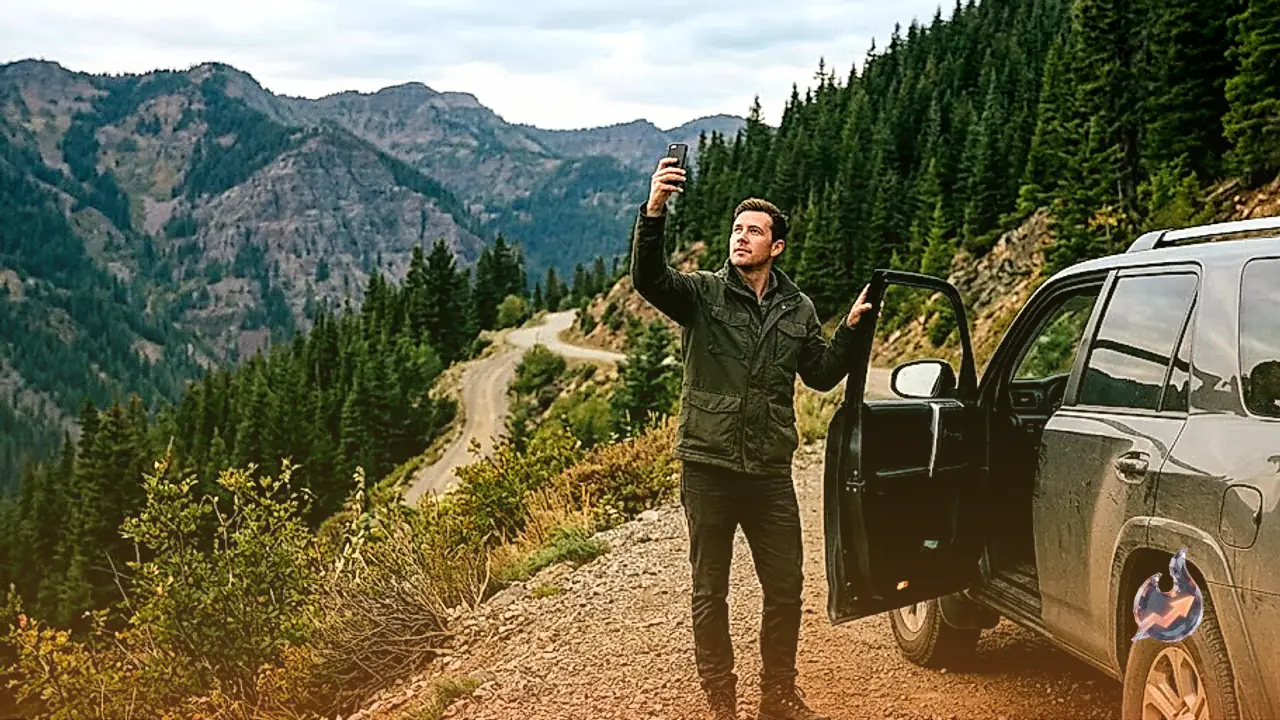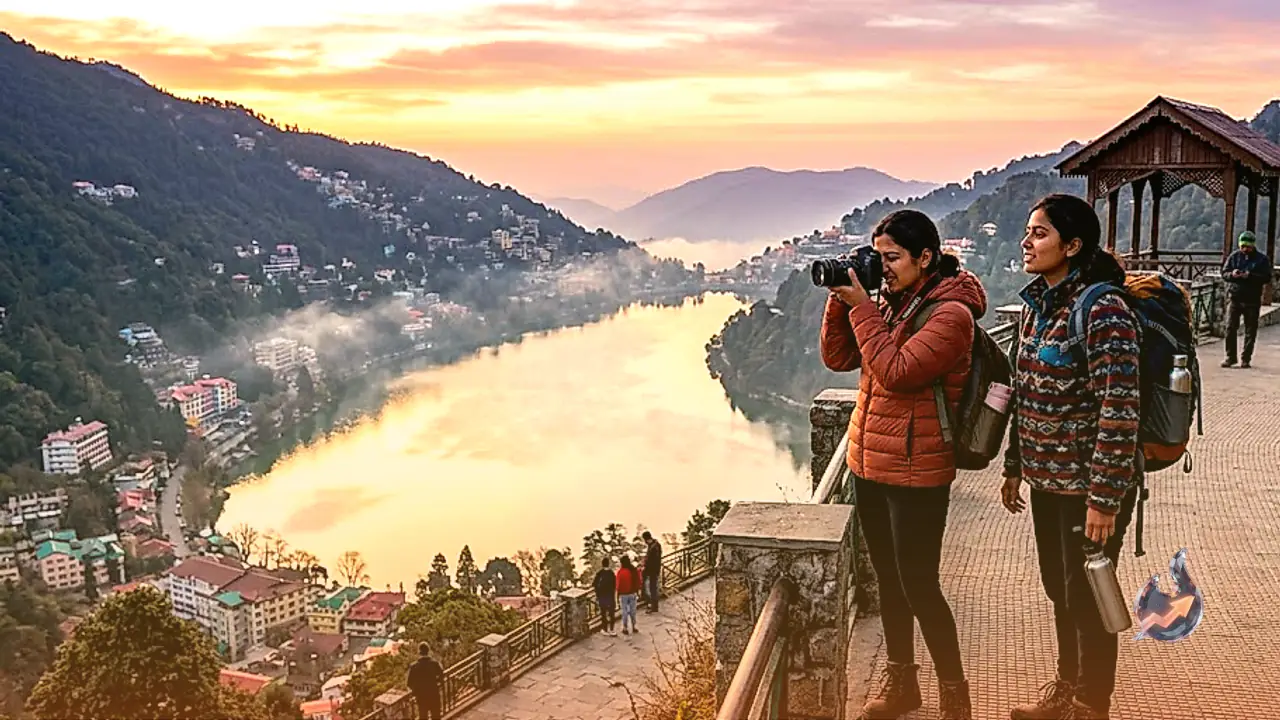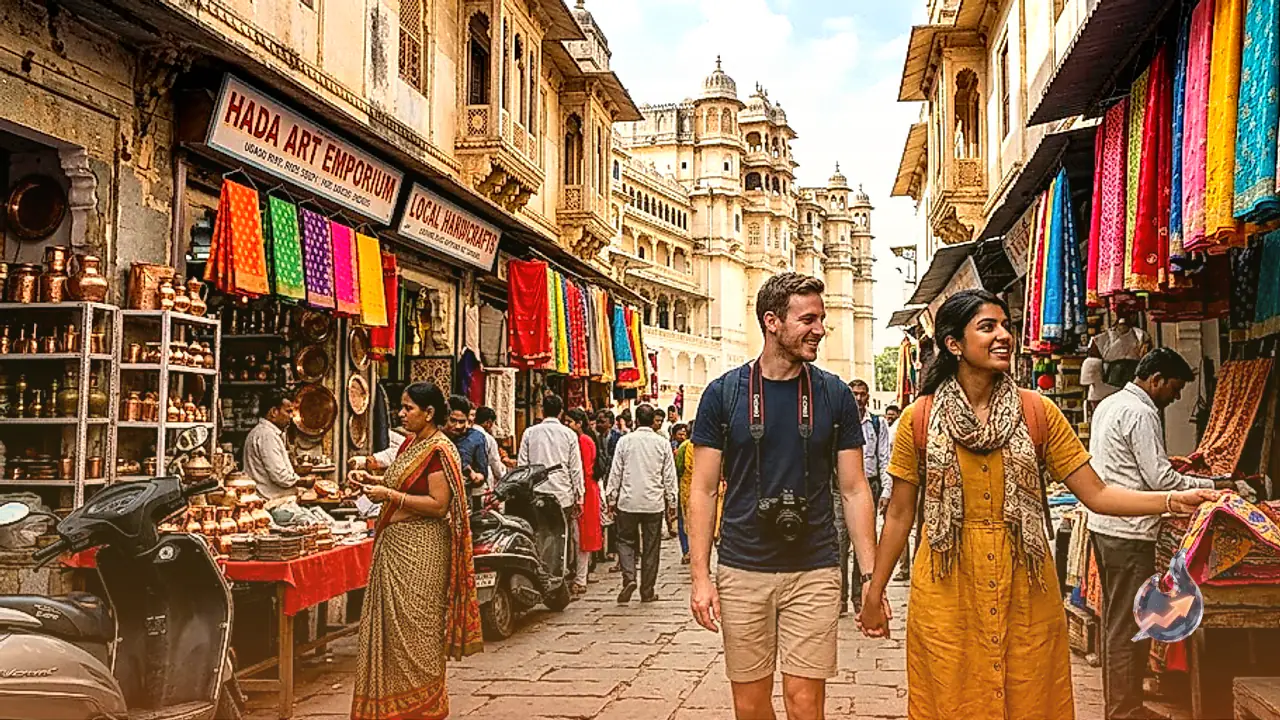




















Travel bookings tend to spike every year once September rolls around, and it's easy to see why. The monsoon rains start to ease, hillsides and forests turn a deeper shade of green, and the punishing summer heat gives way to a noticeably cooler breeze. That combination pulls people toward everything from quick weekend escapes to longer holidays, but anyone heading out during this stretch needs a packing list that's just as thought-through as the destination itself.
Don't assume the weather will behave
The tricky part about travelling right after the monsoon is that the weather rarely stays predictable. A sudden downpour can arrive without warning, temperatures in hill areas can drop sharply within a few hours, and several stretches of road or trail can still be wet and slippery. Picking a scenic destination isn't enough on its own, packing the right gear matters just as much.
Waterproof gear comes first
Anyone headed to the mountains, forests or any spot where rain can strike without notice should carry a waterproof backpack or at least fit it with a good-quality cover. Beyond clothes, phones, cameras, laptops, chargers and important documents all need protection from moisture, which is where a small waterproof pouch tucked inside the bag comes in handy.
Layer up instead of packing one heavy jacket
By late September and through October, mornings and evenings turn noticeably chilly, especially at hill stations. Rather than lugging around one bulky jacket, it works better to carry a mix of lighter layers, a t-shirt, a full-sleeve top, a light jacket, a sweater or a shawl, so clothing can be added or removed depending on how the temperature shifts through the day.
Pick footwear with grip, and pack spare socks
Even after the rain stops, mud and slush tend to linger on many trails and roads. Anyone planning a trek or a nature walk should choose shoes for their grip rather than their looks. It also helps to carry at least one or two extra pairs of socks, since walking for hours in damp socks can leave feet sore and uncomfortable.
A basic first-aid kit is worth the space
Medical stores aren't always within easy reach when a minor injury or sudden illness strikes mid-trip. Carrying band-aids, an antiseptic, ORS, and any personal or doctor-prescribed medicines is a safer bet. It's best to avoid trying an unfamiliar medicine on the road without medical advice.
Sunscreen, moisturiser and water still matter
Once the weather turns pleasant after the rain, a lot of travellers stop bothering with sunscreen, even though UV exposure continues during long hours spent outdoors. Packing a sunscreen with SPF, a lip balm and a moisturiser is worth the effort, along with a water bottle to stay hydrated through the day.
A power bank and a waterproof torch help in a pinch
A phone on a trip isn't just for photos, it doubles up for maps, tickets, hotel bookings and emergency calls, so a power bank and charging cable are essentials, not extras. Anyone heading somewhere offbeat or sparsely populated will also find a small waterproof torch genuinely useful.
Check the forecast before setting out
Packing well is only half the job, checking the local weather forecast and any travel advisory before leaving matters just as much, particularly for hill destinations. If there's a warning about heavy rain, landslides or road closures, adjusting the itinerary is the smarter move. A pretty photo on social media is not a reliable guide to whether a place is actually safe to visit right now.
Plan for mosquitoes and lingering dampness
Mosquito numbers tend to rise in several areas once the rain lets up, so a repellent cream or spray is worth packing. It also helps to carry quick-drying clothes and a separate plastic or dry bag to keep any wet clothing away from the rest of the luggage.
Post-monsoon trips are at their best when travellers are ready for both the scenery and its surprises. Instead of overpacking, the smarter approach is carrying items that actually hold up against rain, mild cold, slippery trails and sudden weather swings, sturdy footwear, a waterproof cover, light warm layers, a first-aid kit, sunscreen, a power bank and an eye on the forecast. These small preparations can make a September-October trip considerably safer and more comfortable.