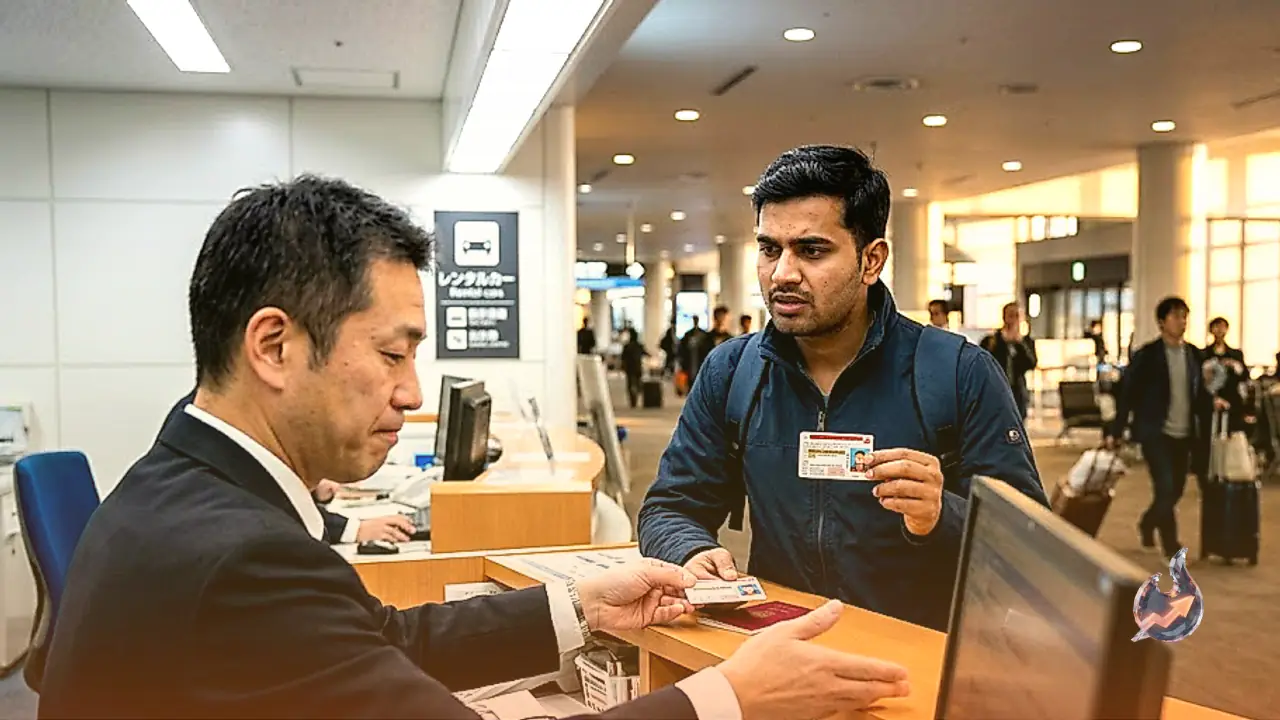

























Booking flight tickets and securing hotel reservations through mobile applications has become extremely convenient, but making minor oversights during this quick process can severely impact a traveler's budget and trip experience. Frequently, tickets that initially appear cheap turn out to be significantly more expensive once essential services like check-in baggage, seat preferences, or ticket change allowances are appended. Furthermore, waiting until the last moment to book travel during major festive periods or extended holiday weekends causes airfares to escalate rapidly. For international travel, neglecting visa regulations, passport validity requirements, and transit mandates can result in severe disruptions. Similarly, selecting hotels solely based on base room rates is misleading, as taxes, cancellation terms, and hidden charges modify the final bill. Taking time to verify critical details prior to making payments saves both financial resources and valuable time.
Peak Season Planning and Hidden Budget Airline Fees
Leaving travel bookings for the last few days when planning vacations during Diwali, Christmas, summer holidays, or long weekends is a major strategy mistake. As travel dates draw closer and demand intensifies, the cost of flights and hotel accommodations climbs sharply. Additionally, securing convenient flight schedules and preferred seating arrangements becomes increasingly difficult. For domestic journeys, comparing fares several weeks prior is recommended, whereas international trips require tracking prices multiple weeks or months in advance to lock in reasonable rates.
On the other hand, immediately booking the absolute cheapest ticket without reading the fine print is rarely prudent. Budget carriers frequently advertise low base fares that exclude basic amenities such as check-in baggage, in-flight meals, seat selection, and ticket modification flexibility. For instance, if two tickets show a price difference of ₹1,000 but the cheaper alternative excludes checked luggage, adding luggage allowances later makes that ticket more costly overall. Travelers should consistently evaluate the final checkout price before concluding their purchase decision.
Utilizing Price Alerts and Evaluating Secondary Airports
Rather than manually monitoring flight prices multiple times a day, travelers should take advantage of automated digital tools. Numerous travel aggregators and booking applications feature automated price alert tools. Enabling these notifications ensures that users receive instant updates whenever fares drop on their desired routes, allowing them to purchase tickets at the most opportune moment.
Furthermore, when traveling to destinations served by multiple airports or neighboring regional hubs, comparing prices across all available airports is beneficial. Flying into an airport located slightly farther from the city center often yields substantial savings on airfare. However, travelers must calculate ground transportation costs, such as taxis, buses, or connecting trains, to ensure that the alternative route provides genuine net savings.
Passport Validity, Visa Guidelines, and Travel Insurance
Overlooking entry regulations and passport requirements when arranging international travel can derail an entire journey. Before confirming flight tickets, travelers must thoroughly review the destination country's visa policies, entry conditions, mandatory passport validity periods, and transit visa requirements. Many international jurisdictions mandate that a traveler's passport remain valid for a specified minimum period beyond their intended date of entry. Confirming visa approvals, passport validity windows, and airport transfer transit rules ensures seamless travel planning.
Treating travel insurance as an optional or unnecessary expense is another common mistake. Unexpected flight cancellations, delayed baggage delivery, or sudden medical emergencies during a trip can create substantial unbudgeted costs. Comprehensive travel insurance acts as a vital financial safety net, particularly during international journeys. Travelers should carefully inspect policy documents to verify that coverage extends to emergency medical treatment, trip cancellations, delays, and lost luggage.
Connecting Flight Buffer, Currency Charges, and Date Flexibility
Constructing an itinerary by combining separate tickets from different airlines to lower costs introduces significant risk. If the initial flight experiences even a minor delay, passengers risk missing their connecting flight. In such scenarios, airlines generally assume no liability, leaving the traveler to purchase a replacement ticket at their own expense. Maintaining an ample time buffer between self-connected flights is crucial to mitigate delay risks.
When spending money abroad, focusing exclusively on local shelf prices leads to inaccurate budget estimates. Foreign currency conversion fees, bank card transaction markups, and shifting exchange rates steadily increase overall expenses. Travelers should consult their financial institutions before departure to understand all applicable transaction charges. Additionally, maintaining flexibility with travel dates offers great savings potential. Shifting departure dates by a single day, such as flying on Saturday instead of Friday or Monday instead of Sunday, frequently reveals lower fares, while hotel room pricing also fluctuates across different days of the week.
Thorough Verification of Booking Details Before Payment
Even minor errors made while entering booking information can lead to major complications and financial penalties later. Before proceeding through the payment gateway, travelers must double-check the spelling of passenger names, exact travel dates, passport numbers, departure and destination airport codes, and hotel check-in dates. Rushing through the final steps can result in selecting incorrect dates or wrong airports, incurring hefty amendment fees to correct later. Carefully reading the entire booking summary page before pressing the final payment button prevents unnecessary expenses.