


















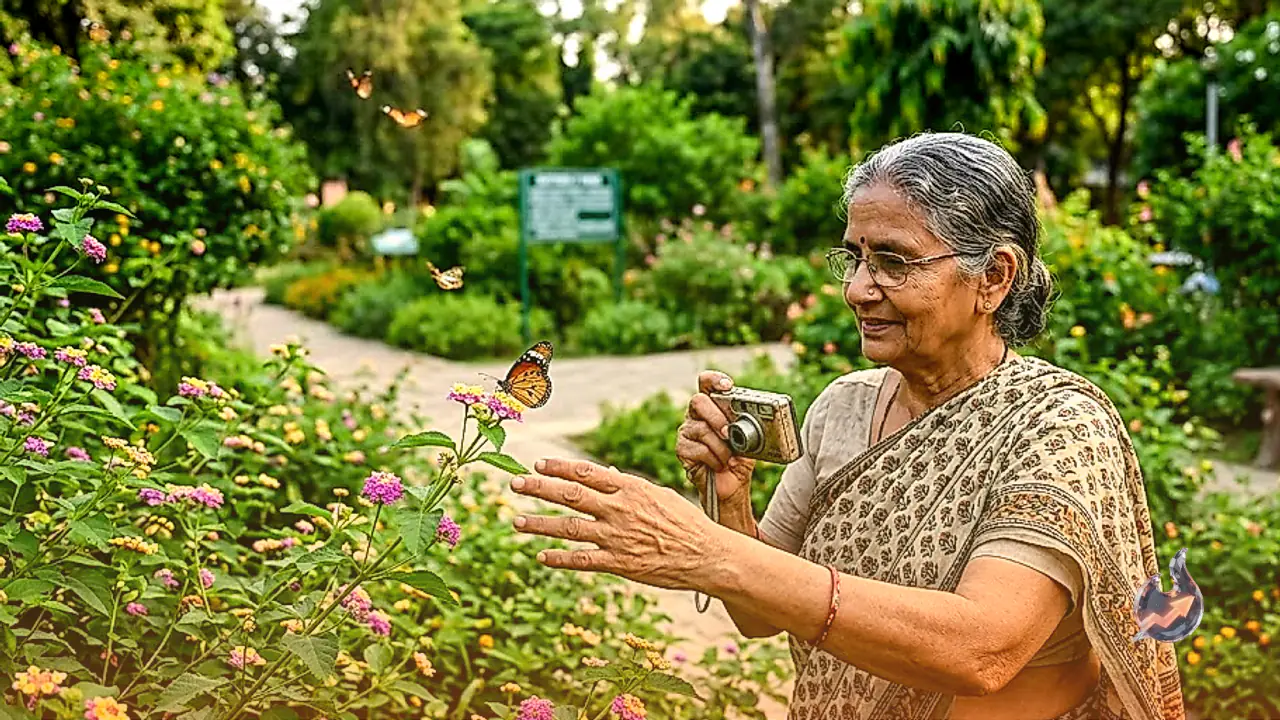

A dedicated ecological sanctuary in the heart of Saharanpur is drawing steady interest from nature enthusiasts and families seeking green open spaces. Situated within the well-known Company Garden, this specialized butterfly park has turned into a tranquil retreat where visitors gather during morning and evening hours. People strolling through the grounds pause to watch vibrant butterfly species fluttering among the blooms while reconnecting with the natural environment.
A Conservation Initiative Launched in 2020
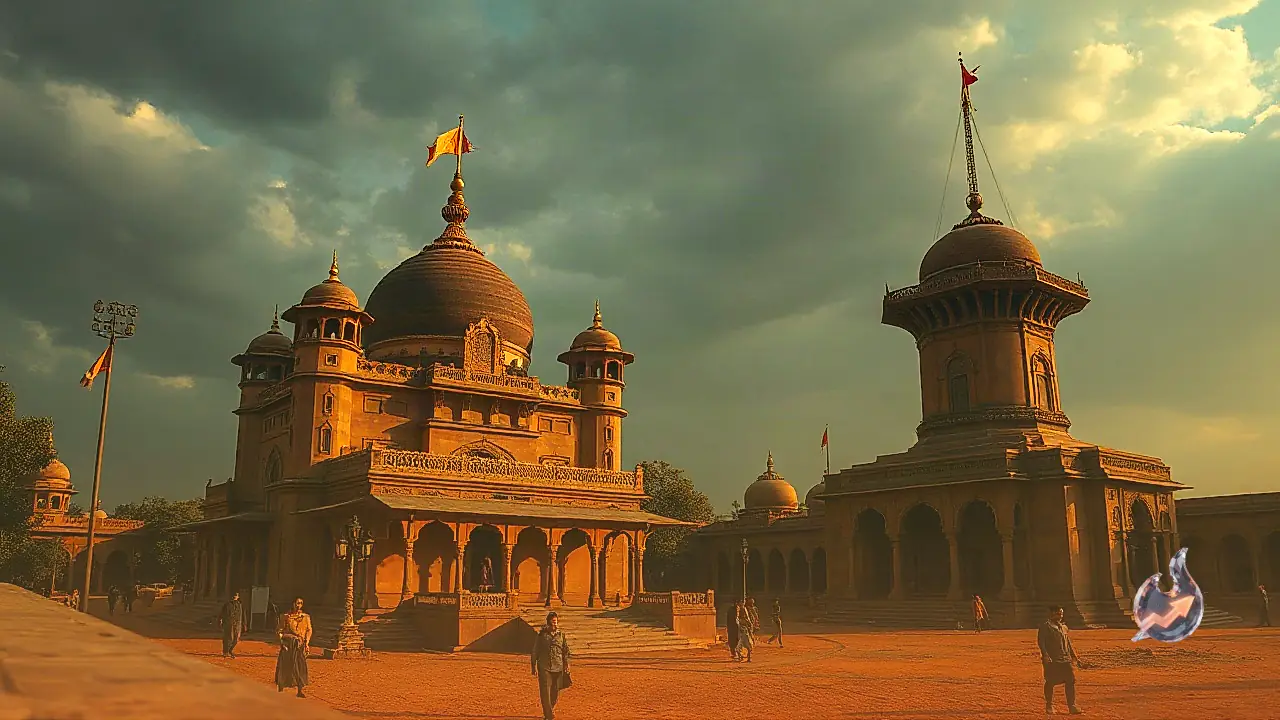
The facility was established to counter the sharp decline in butterfly populations and protect species facing habitat threats. Located within Netaji Subhash Chandra Bose Udyan, also widely known as Company Bagh, the butterfly park officially opened on January 26, 2020. The project was inaugurated by the then divisional commissioner of Saharanpur, Sanjay Kumar. The primary objective behind setting up this green reserve was to safeguard existing native varieties and promote the healthy growth of diverse butterfly populations.
Four-Acre Natural Habitat and Collaborative Development
Spanning across an area of approximately four acres belonging to the horticulture department, the sanctuary was brought to fruition through an active partnership between the Saharanpur Development Authority and the Horticulture Development Committee. The grounds were landscaped specifically to recreate natural microclimates that encourage butterflies to roost, feed, and reproduce safely without artificial disruption.
Over 15,000 Host and Nectar Plants
To sustain around 40 distinct butterfly species, the park features flora curated to support every phase of their developmental cycle. A total of 15,590 host and nectar plants across 86 varieties have been planted throughout the four-acre reserve. These botanical selections serve as essential food supplies and breeding sites, providing nectar for adult butterflies while offering vital foliage for caterpillars during their early stages.
Ecological Awareness Amid Global Declines
Beyond functioning as a recreational destination, the park acts as an educational center educating visitors about the delicate lifecycle of butterflies and their role in local ecology. Butterflies serve as crucial bio-indicators of healthy ecosystems. Over the last 40 years, butterfly species have suffered a steep drop of approximately 40 percent. This concerning decrease has been driven by increasing human interference in nature, rising environmental pollution, and the heavy application of agricultural chemical sprays on surrounding crops. The park demonstrates practical conservation techniques while reminding visitors about the pressing need to protect pollinator biodiversity.