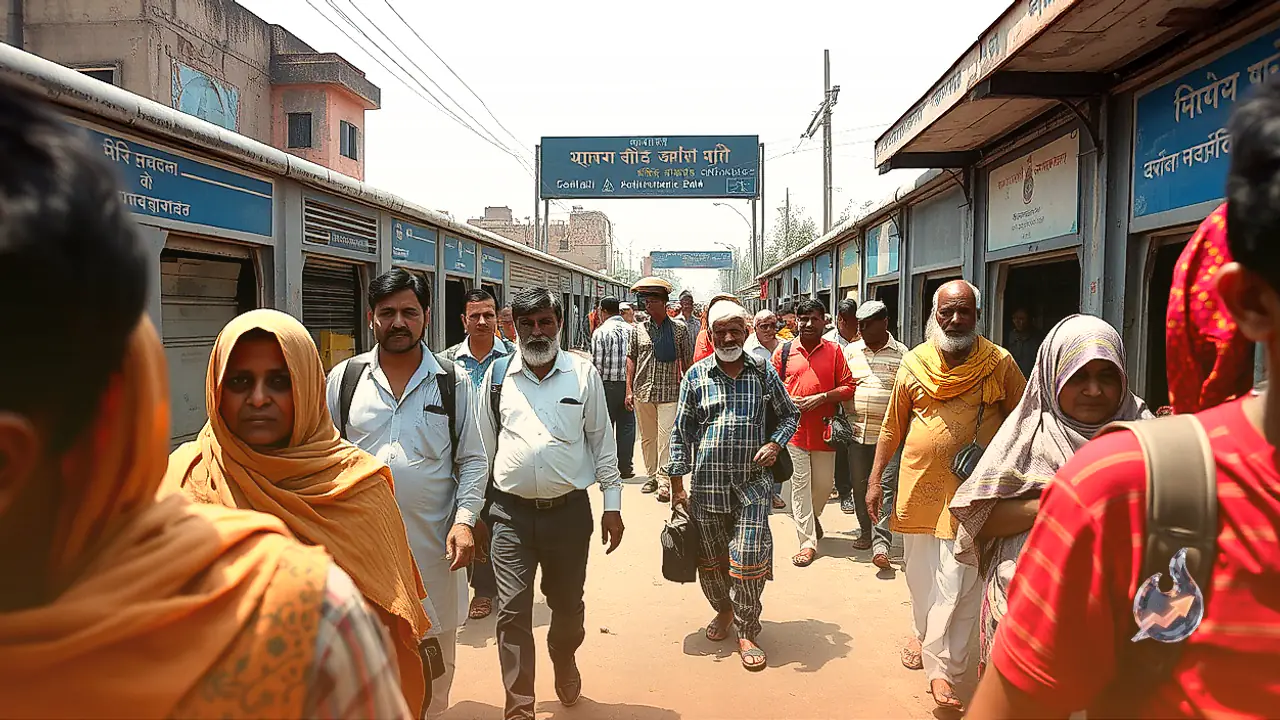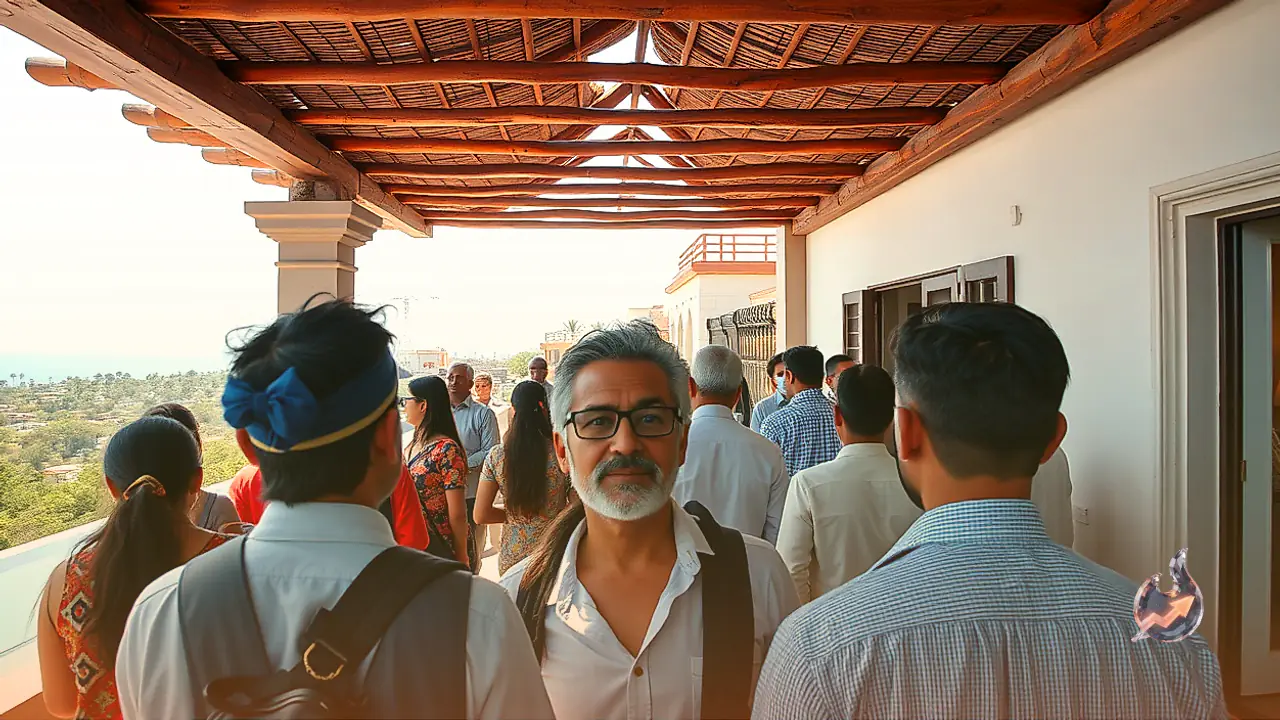



















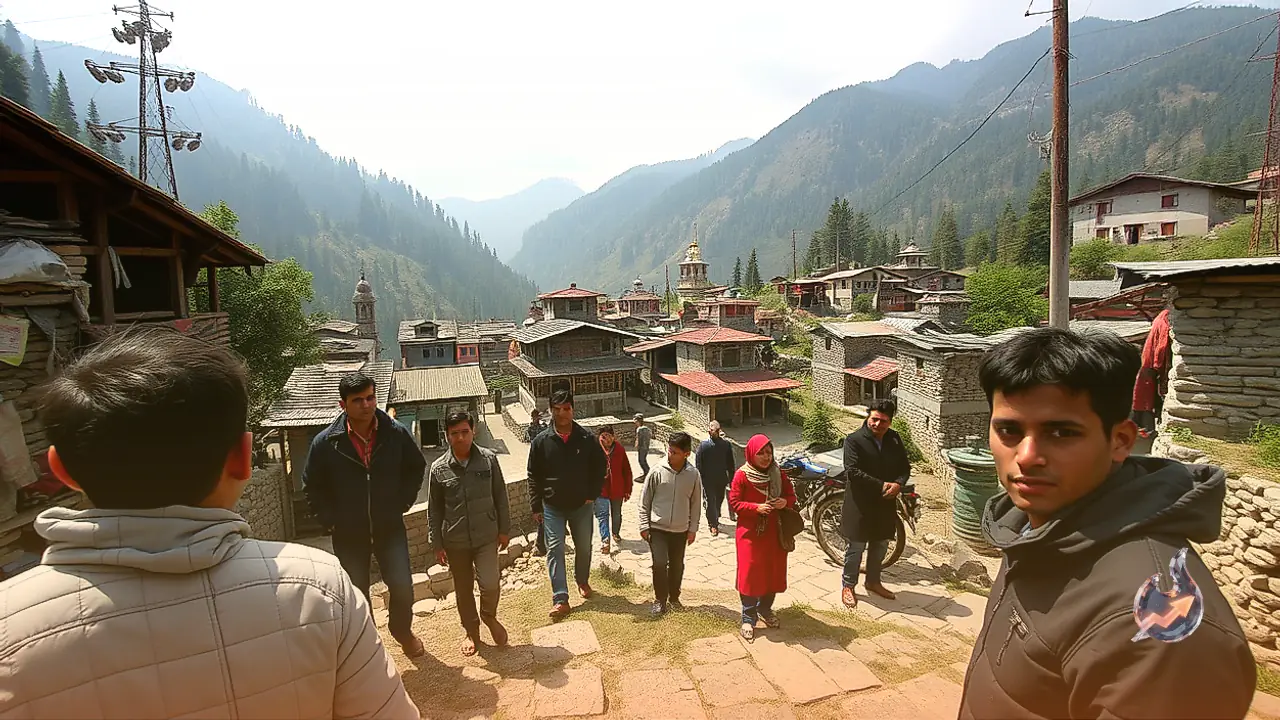

Tucked within the forested heights of the Dhauladhar mountain range in Himachal Pradesh lies a village that offers an experience entirely distinct from typical Himalayan tourist circuits. Dharamkot, situated in the Kangra district, has earned widespread renown as a mini Israel due to its deep and longstanding connection with international travelers, particularly visitors from Israel. For decades, voyagers journeying across continents have made their way to this elevated hamlet in pursuit of quiet contemplation, artistic pursuits, and a welcoming community atmosphere.
A Distinct World Just Beyond McLeod Ganj
Geographically, Dharamkot is situated approximately 240 kilometers from Shimla, the state capital of Himachal Pradesh. Its nearest urban center is Dharamshala, while air travelers access the region through the airport at Gaggal in Kangra, positioned roughly 20 kilometers away. What makes Dharamkot particularly remarkable is its proximity to McLeod Ganj, lying a mere two kilometers uphill. Yet, despite sharing such a short boundary, the ambiance of the two settlements could hardly be more different.
As travelers make the ascent from Dharamshala past McLeod Ganj, the vivid Tibetan prayer flags, bustling commercial avenues, and the aromas of steamed momos and laphing gradually fade away. Within moments, the atmosphere transitions into narrow lanes lined with Hebrew signboards, home-style artisan bakeries, and the comforting scent of freshly baked challah bread. Nearby lies Bhagsu Nag, adding to the scenic geography of the ridge. Curiously, despite being located just two kilometers away, hundreds of thousands of domestic vacationers miss Dharamkot entirely, turning back simply because they are unaware of its existence.
From a Pastoral Gaddi Settlement to an International Enclave
The cosmopolitan character of modern Dharamkot stands in sharp contrast to its humble origins. Originally, the locality was a quiet hamlet inhabited by the indigenous Gaddi pastoral community. Daily survival for these mountain dwellers revolved around livestock rearing, subsistence terrace farming, and occasional daily wage labor. The transformation from a secluded shepherd village into an international travelers hub was gradual and unexpected.
While precise historical records documenting the earliest Israeli arrivals remain scarce, local lore traces the shift back to the 1960s. During that period, His Holiness the Dalai Lama established his presence in Dharamshala near McLeod Ganj following his exile. The spiritual leader's residence transformed the entire Kangra valley into a global magnet for seekers, writers, and international wanderers. Although Jewish visitors from Israel held no direct religious affiliation with Tibetan Buddhism, the tranquil sanctuary created around the Dalai Lama’s presence drew curious explorers northward into the higher slopes.
Cultural Adaptation, Local Commerce, and Privacy
As international visitors arrived in growing numbers, the physical and economic landscape adjusted to accommodate their stays. Under Indian property regulations, foreign nationals cannot purchase real estate, prompting visitors and entrepreneurs to take land and properties on long-term lease agreements. Over time, hospitality operators from other Indian states such as Rajasthan, West Bengal, and Goa also moved in, leasing spaces to establish cafes, guest residences, and boutique lodges.
Over years of close cultural exchange, many local residents learned to speak Hebrew with ease. A substantial number of foreign travelers have built long-term ties here, with some marrying locally and raising children within the community, while many others return repeatedly on tourist visas. These guests deeply value their peace and discretion; consequently, several storefronts feature explicit notices prohibiting photography and videography. Visitors seeking solitude often express reluctance toward casual domestic sightseeing driven by social media video trends. To assist international patrons, numerous village counters also operate foreign currency exchange facilities.
Economic Evolution from Farming to Homestays
The transformation has comprehensively reshaped local livelihoods. Today, it is nearly impossible to find a household that relies solely on traditional agriculture and cattle husbandry as practiced by previous generations. Administratively, the area has transitioned as well, shifting from its historic status as a gram panchayat to falling under the governance of the Dharamshala Municipal Corporation.
Virtually every family dwelling in the village now features an integrated homestay, guesthouse, cafe, or dining kitchen. These establishments cater to international culinary tastes alongside local staples, serving signature specialties such as falafel, pita bread, and shakshuka. While an escalating conflict involving Iran has contributed to a decline in Israeli tourist footfall during the current season, the infrastructure and hospitality traditions established over decades remain firmly embedded in community life.
Creative Workshops, Wellness, and Mountain Adventures
Beyond its culinary reputation and serene environment, Dharamkot serves as an active creative workshop hub. The cool alpine climate and pine-covered vistas provide an inspiring backdrop for jewelry crafting ateliers, instrumental music workshops, musical instrument manufacturing courses, and intensive yoga seminars. Travelers frequently spend months mastering these crafts under the guidance of skilled artisans.
Outdoor enthusiasts also treat Dharamkot as an essential gateway to premier trekking routes in the western Himalayas. The famous Triund hiking trail begins directly from this ridge, leading further onward toward the high-altitude Laka Glacier. Skilled alpine climbers utilize the route to attempt ascents of the formidable Moon Peak. In addition, the internationally acclaimed paragliding destination of Bir Billing is situated within Kangra district, broadening the outdoor appeal. Domestic travelers who look past the commercial crowds of nearby towns can easily discover Dharamkot and immerse themselves in its unique mountain charm.