



















Planning a pilgrimage to the revered birthplace of Neem Karoli Baba has become increasingly straightforward for spiritual seekers across India and overseas. Situated in Akbarpur village within Uttar Pradesh's Firozabad district, this sacred location attracts devotees from across the nation and around the world. Reaching this quiet rural destination involves simple transit connections by train, road, and local vehicles.
Reaching via Tundla Junction
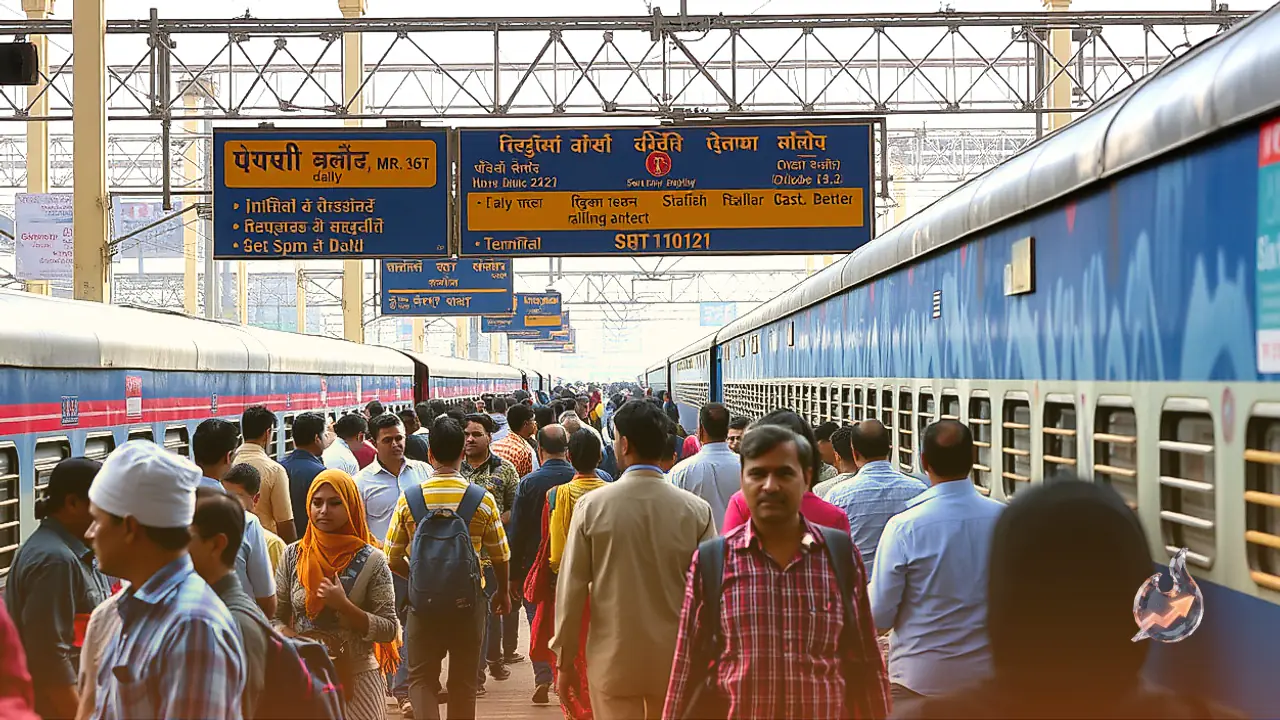
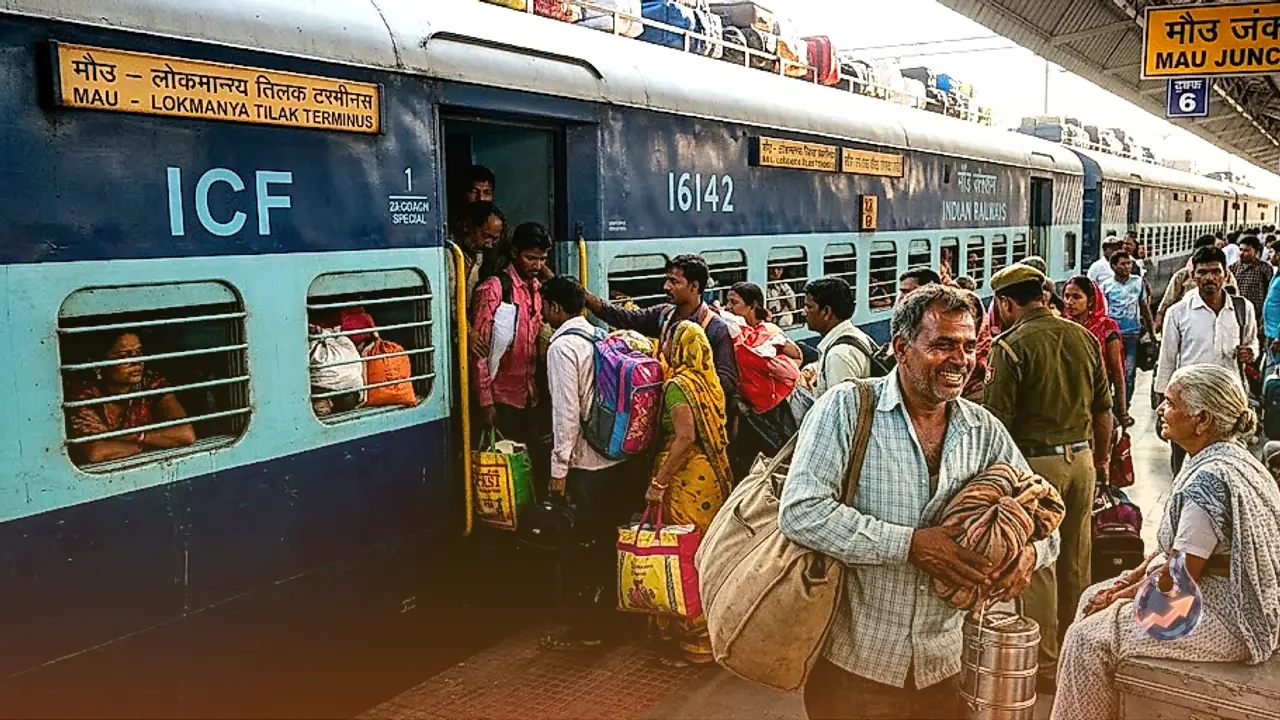
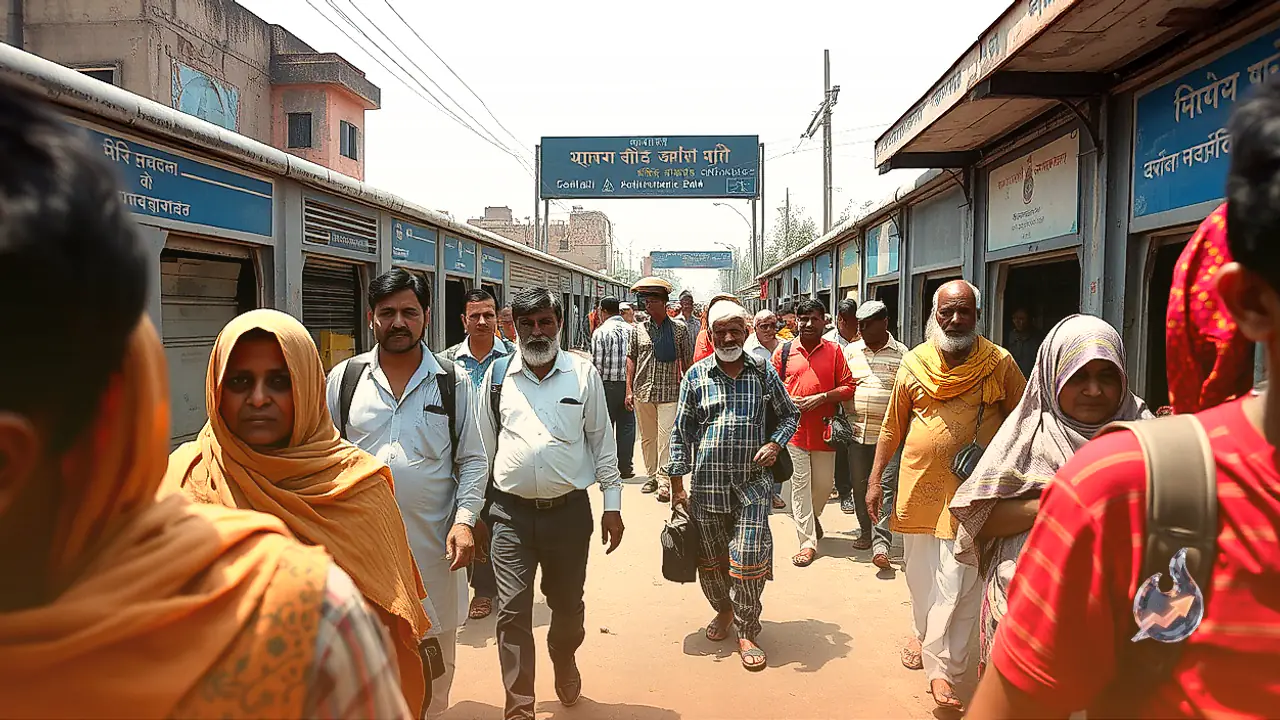
Travelers relying on major long-distance rail routes often find Tundla Junction to be their most practical primary stop. Because Tundla connects seamlessly with numerous broad-gauge lines, trains from diverse states halt here regularly. After disembarking at Tundla Junction, passengers can hire an auto-rickshaw heading toward the city of Firozabad. Prior to entering the main city limits, the route passes Usaini village, which acts as the key transit junction for branching off toward Akbarpur village.
Transit from Firozabad Bus Terminal and Railway Station
For visitors traveling by road, state and interstate bus services run directly to Firozabad. From the bus terminal, commuters can take local transit toward Usaini village. Upon stepping down at Usaini, auto-rickshaws are readily accessible to ferry pilgrims directly to the village of Akbarpur, where the temple complex stands.
Alternatively, the Firozabad railway station offers another extremely close railhead for the pilgrimage site. Passengers traveling from Delhi can board direct trains heading straight to Firozabad station. From outside the station, both local buses and auto-rickshaws provide frequent connectivity to Usaini village. Moving from Usaini into Akbarpur completes the final leg of the journey in just a short span, making the entire transfer smooth and hassle-free.
Distance from Usaini and Local Commute Options
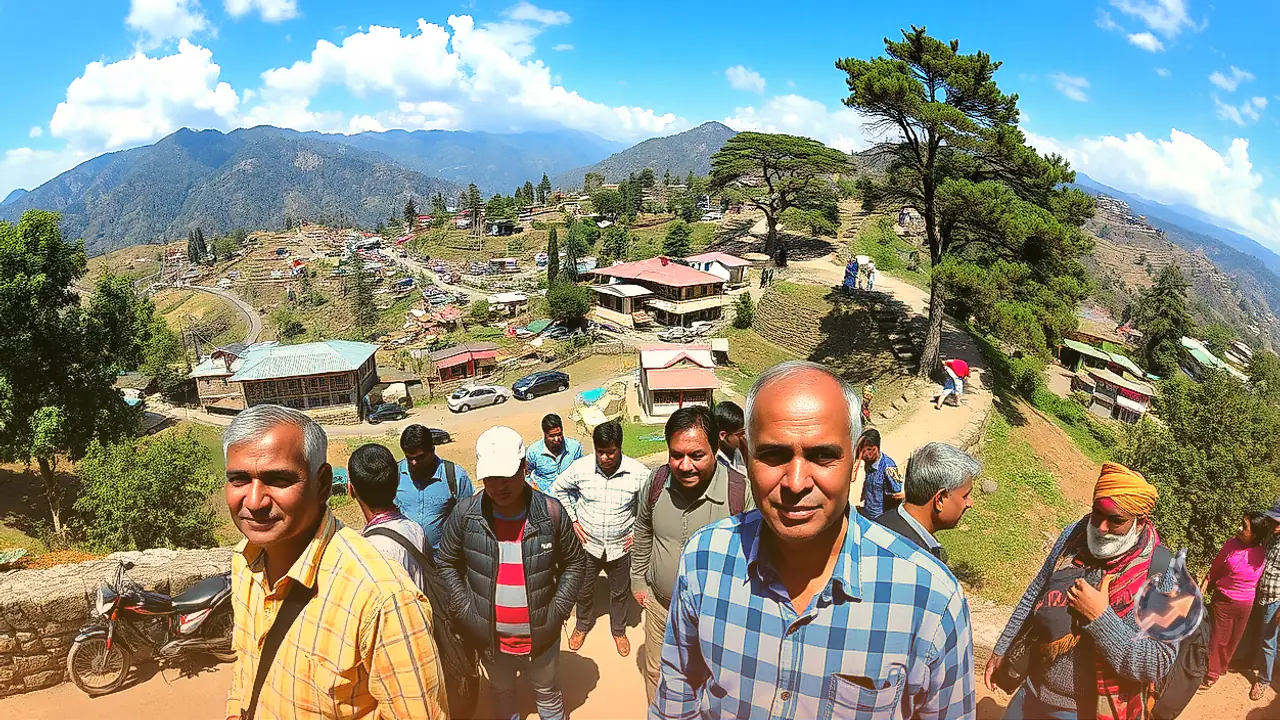
Usaini village sits right on the main transit corridor, positioned roughly 3 kilometers away from Baba's ancestral home in Akbarpur. Devotees who prefer walking can undertake this final stretch on foot. For those carrying luggage or traveling with family, shared and private auto-rickshaws alongside other local motor vehicles run regularly along this route, transporting passengers straight to the shrine grounds.
Historic Sites, Ancestral Quarters, and Meditation Hall
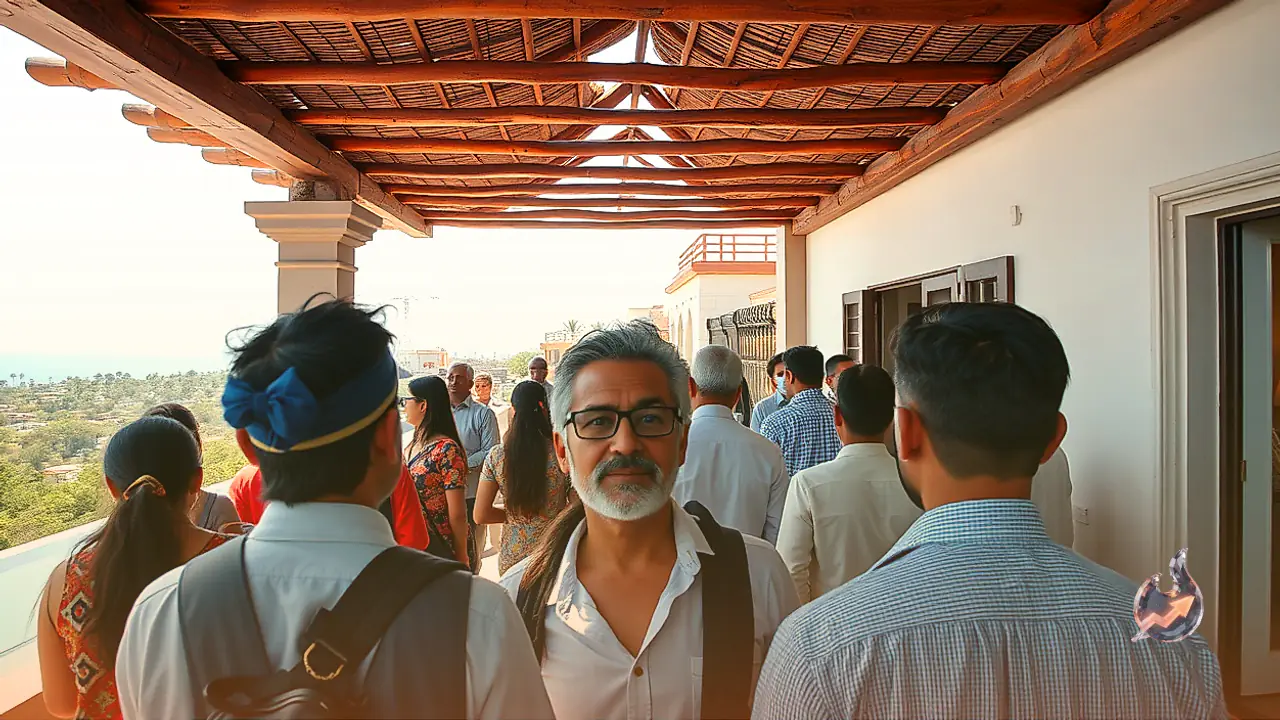
Inside Akbarpur, visitors encounter several preserved structures associated with the spiritual master. Among these heritage sites is an old dak bungalow where vintage photographs of Baba alongside his wife are carefully displayed. Pilgrims gather before these portraits to offer prayers and seek blessings. Additionally, the premises preserve his historic family home and his dedicated meditation room. Devotees routinely enter this meditation chamber to view the family photographs and spend quiet time immersed in deep contemplation.
Accommodation and Emergence as a Pilgrimage Hub
At the heart of the village stands a magnificent temple that continues to attract a growing stream of visitors each year. To support travelers making long cross-country journeys, well-maintained lodging and rest amenities have been established on site. Guests often spend several days interacting with native village residents and members of Baba's extended family, listening firsthand to accounts of his miracles and life stories. With rising footfall and improving facilities, the ancestral village of Akbarpur is rapidly evolving into a prominent religious travel destination.