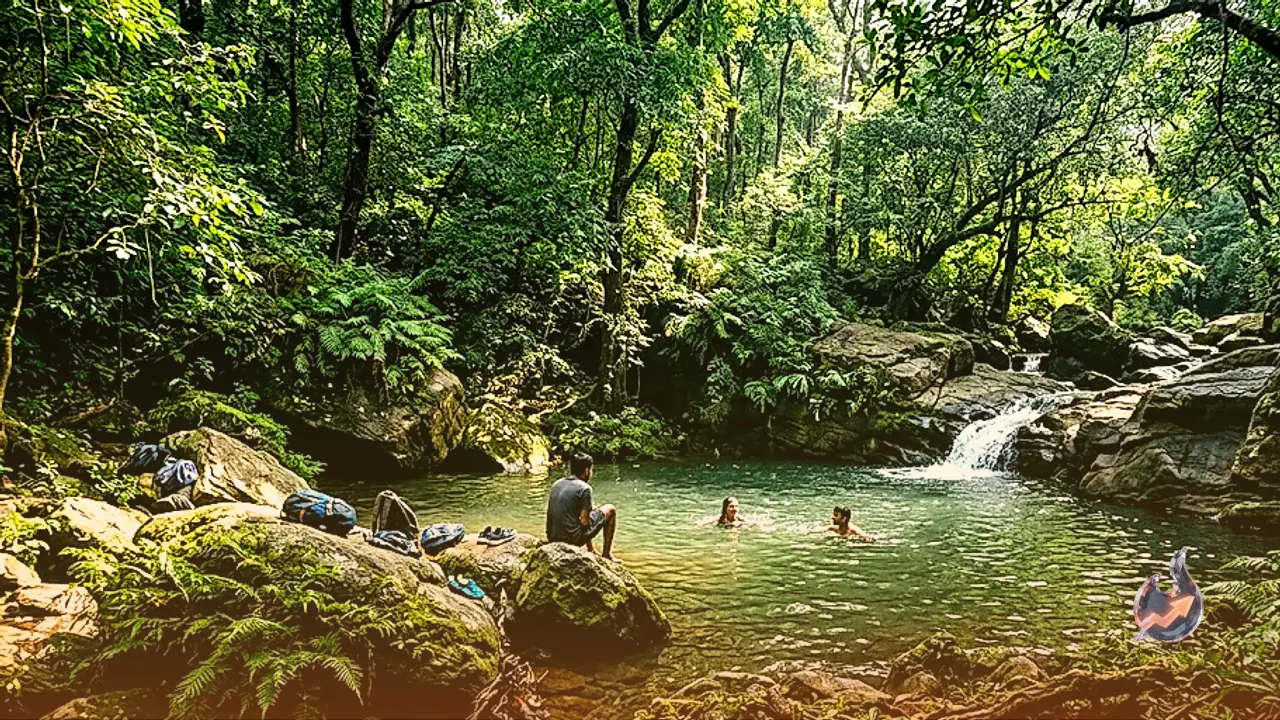






















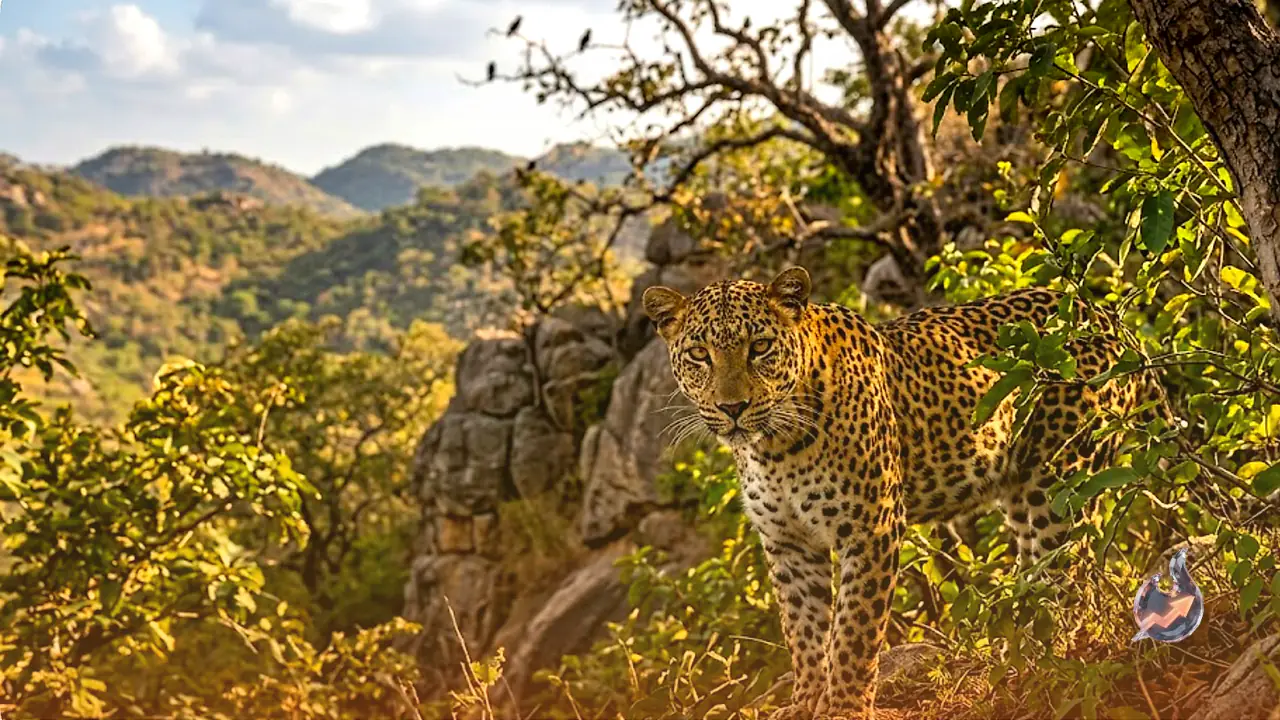

Rajasthan's only hill station, Mount Abu, is known for more than just Nakki Lake, its lush Aravalli valleys and scenic viewpoints. Visitors can also climb into an open jeep and head deep into its dense forests for a close encounter with wildlife roaming free in its natural habitat. If you are planning a trip to Mount Abu this summer or winter and want to experience its popular jungle safari, here is everything you need to know to make the most of it.
A 288 Square Kilometre Wilderness
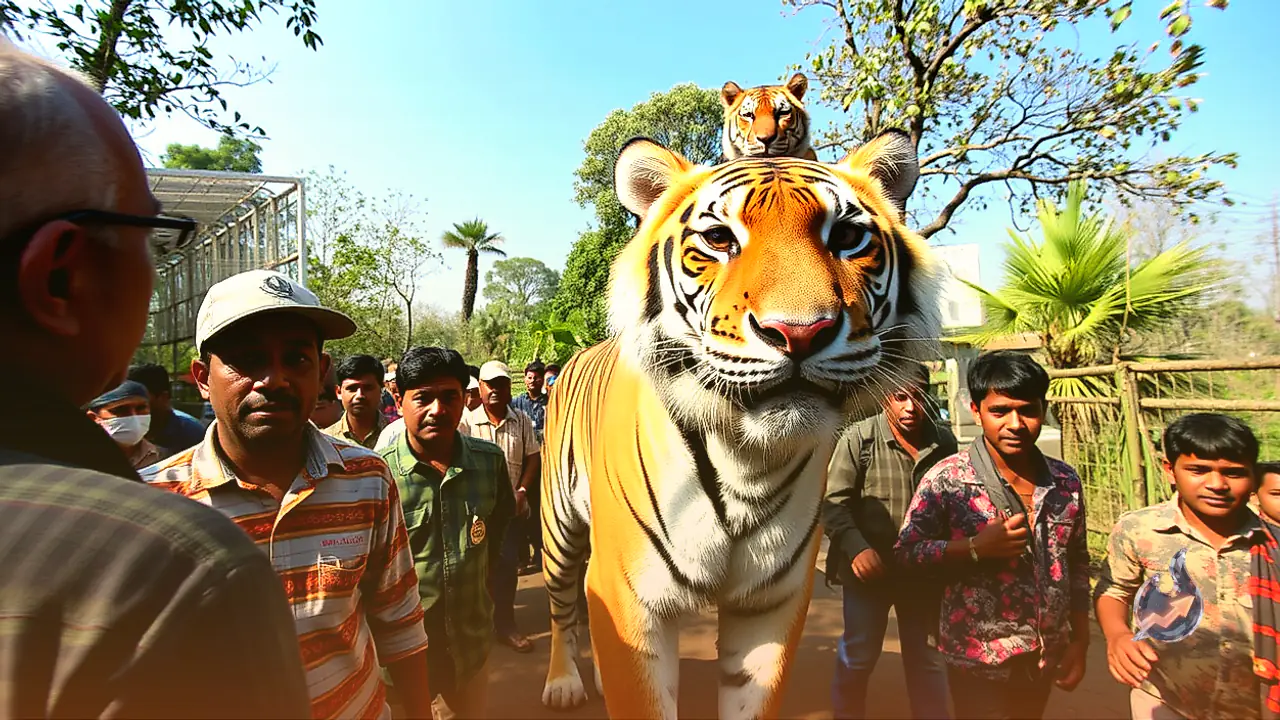
According to Chintu Yadav, a local wildlife and adventure guide in Mount Abu, the Mount Abu Wildlife Sanctuary spans a vast forest area of nearly 288 square kilometres and serves as a natural home to countless rare species. Visitors can explore this landscape through jungle treks or open jeep safaris, spotting animals moving freely in their natural surroundings. The forest also carries an interesting slice of history. Decades ago, Asiatic lions once roamed and roared through these woods. Records show a lion was last spotted in the sanctuary in 1870, while a Bengal tiger was last seen here in 1970.
Leopards, Sloth Bears and Over 250 Bird Species
Over time, this scenic forest has become best known as a stronghold for the Indian leopard and the sloth bear. Beyond these, visitors on safari regularly spot sambar deer, wild boar, nilgai, barasingha, chinkara, pangolins and grey langurs. For bird watchers, the sanctuary is nothing short of paradise, home to more than 250 remarkable bird species, including the extremely rare Green Avadavat, also known as the Green Munia, and the unusual jungle fowl. The forest is also home to Trevor's Tank, considered the largest natural habitat for crocodiles in the area.
The Best Way to Experience the Jungle Safari
Early mornings and late evenings are considered the best times for a jungle safari in the Mount Abu sanctuary area, since most wildlife steps out of hiding in search of water or prey during these hours. The safari itself is an open jeep ride lasting roughly 2 to 3 hours, offering visitors an up close experience of nature. Entry into the forest area is permitted between 9 am and 5.30 pm after paying the forest fee fixed by the forest department. For sightseeing purposes, the winter season from October to March and the summer season from March to June are considered the most favourable periods to spot wildlife. In summer, as smaller water sources within the forest dry up, animals along with their young ones can often be seen drinking water near the main reservoirs. For safety, it is mandatory to be accompanied by an authorised forest staff member or a certified wildlife guide during the safari, who can guide you accurately through the trails while also ensuring your safety.