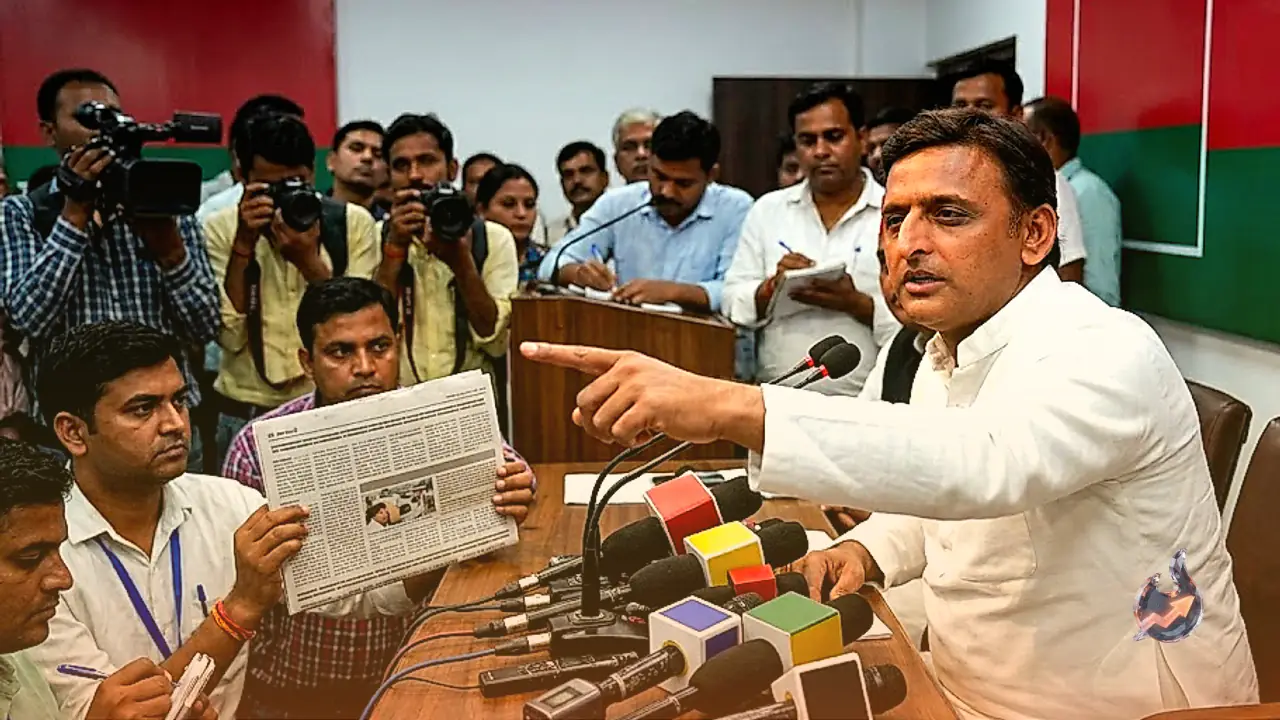
















A positive diplomatic shift is currently unfolding to revitalize bilateral engagement and resolve long-standing stagnation between India and Bangladesh. Recent statements by Indian High Commissioner Dinesh Trivedi in Dhaka have signaled a clear intention to steer neighborly ties into a constructive phase. Addressing key stakeholders, he underscored that while historical memories cannot be erased, lingering indefinitely over past friction remains counterproductive. The core message emphasizes that existing differences should be addressed through open dialogue to ensure steady forward movement. This diplomatic push aligns with growing expectations surrounding a high-level summit between Indian Prime Minister Narendra Modi and Bangladesh Prime Minister Tariq Rahman. Indian diplomatic channels suggest that a direct meeting between the two heads of government offers the most viable pathway toward resolving unresolved bilateral matters and restoring full momentum to regional cooperation.
Moving Beyond Past Friction on a Foundation of Mutual Trust
Speaking at a prominent business gathering in Dhaka attended by commercial representatives from both nations, High Commissioner Dinesh Trivedi addressed the broader spectrum of bilateral relations. He remarked that keeping past experiences in mind while resolving unresolved disputes is essential for maintaining steady progress. Remaining static, he observed, serves no nation's interest. He emphasized that genuine, long-term partnerships rely fundamentally on unconditional mutual trust. Defining true friendship as an ability to understand and respect each other's core concerns, he reiterated that India fully acknowledges Bangladesh's priorities. Moving forward requires both sides to nurture confidence while acting with mutual sensitivity toward each other's strategic and socio-economic requirements.
High-Level Summit to Resolve Pending Bilateral Matters
Acknowledging that outstanding topics require careful resolution, the High Commissioner expressed firm confidence in top-tier political dialogue as an effective mechanism to thaw diplomatic ice. He disclosed that following his meetings with Bangladesh Prime Minister Tariq Rahman, he traveled directly to Delhi for consultations with Prime Minister Narendra Modi. During their meeting, Prime Minister Narendra Modi affirmed that direct interaction between the two prime ministers is essential. Furthermore, Prime Minister Narendra Modi conveyed that upon his arrival in India, Prime Minister Tariq Rahman will receive a dignified and respectful welcome commensurate with his stature. This anticipated official visit is expected to deliver tangible benefits to the citizens and business communities of both neighboring countries.
'Neighbourhood First' Vision and Shared Cultural Ties
Reaffirming the guiding principles of India's foreign policy, Trivedi underlined the central role of the 'Neighbourhood First' doctrine. He noted that India and Bangladesh share a deeply intertwined history, geographical proximity, and rich cultural heritage. Fluctuations in bilateral dynamics, he explained, are a natural aspect of international diplomacy. Drawing a parallel with family relationships, he pointed out that temporary differences among family members do not sever underlying bonds. Similarly, despite occasional disagreements, both nations possess strong incentives to collaborate on areas of joint interest. The broader strategic objective remains focused on expanding economic, infrastructural, and regional security cooperation while managing differences responsibly.
Private Sector Synergy and Cross-Border Economic Growth
Beyond formal diplomatic channels, deepening economic integration and people-to-people connections are recognized as crucial drivers of long-term stability. Strategic cooperation in critical sectors such as employment generation, educational exchanges, and healthcare delivery holds immense value for both populations. Emphasizing that government initiatives must be complemented by private enterprise, the High Commissioner highlighted recent trade interactions. A high-level business delegation organized by the Confederation of Indian Industry (CII), comprising representatives from major Indian corporate houses, visited Bangladesh to engage with local industry leaders. Discussions centered on unlocking fresh investment avenues, expanding commercial partnerships, and fostering cross-border trade efficiency.
Empowering Youth and Envisioning a 'Golden Chapter'
Looking ahead, the Indian diplomatic mission expressed strong optimism that bilateral relations are poised to enter a dynamic new phase, characterized as a potential 'Golden Chapter' in regional diplomacy. Drawing upon shared cultural affinities, the High Commissioner spoke of introducing a new harmony into bilateral ties. Central to this vision is the active involvement of youth from both nations, whose aspirations for modern economic opportunities, stability, and growth will define the future trajectory. Both India and Bangladesh share common objectives centered on regional peace, sustainable economic development, and expanded prospects for their citizens, forming a durable foundation for future cooperation.