




















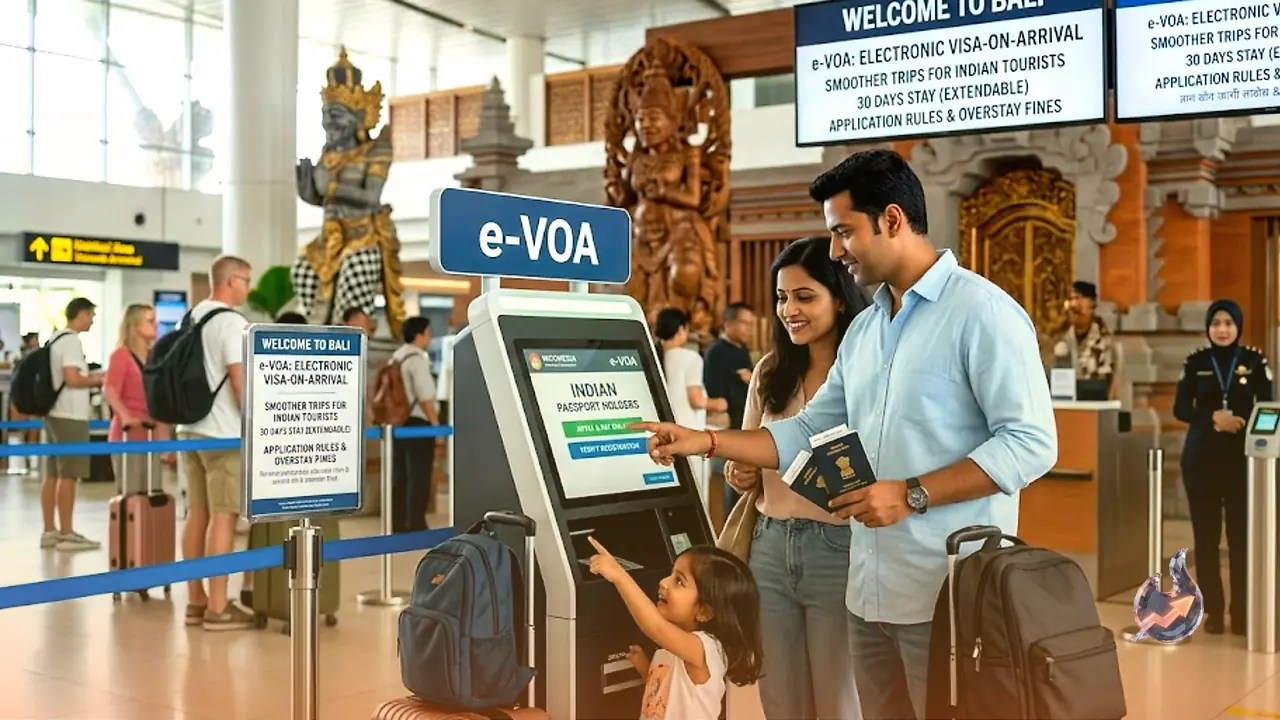

Bali continues to top the holiday wishlist for Indian travellers in 2026, and Indonesia is steadily pushing its electronic Visa-on-Arrival, known as the e-VOA. Choosing the online route can cut down the waiting time at the airport, but travellers are advised to apply at least 48 hours before they fly. Major airports, including Denpasar, still run physical visa counters for those who prefer them.
For Indian families, the e-VOA often works out more convenient because the payment is handled entirely online. International credit cards are accepted, which reduces the need to carry cash. Getting the approval sorted before departure can also speed up your exit at the airport. Even then, every traveller must still clear the entry checks on arrival, so keeping the important documents ready helps avoid slow inspections.
What You Need to Apply
The official immigration website asks for your passport details along with a clear scan. Your passport must remain valid for six months from the date of arrival, and a confirmed return flight ticket is also mandatory. It is wise to keep digital copies of these documents on your phone for quick access, as this can ease any hold-ups at the immigration counter.
e-VOA vs Physical Visa
Both options grant tourist entry, but the steps are different. The physical Visa-on-Arrival can mean standing in queues and paying at the airport itself, whereas the e-VOA is approved digitally before you leave. The visa allows an initial stay of 30 days, and a one-time extension adds another 30 days, taking the total to 60.
Tourism Levy and Overstay Rules
Bali also charges a mandatory tourism levy on all foreign visitors. This payment is separate from the visa fee and must be made before arrival. Hold on to both receipts, as they may be checked on the island. Indonesia enforces its overstay rules strictly, and the fine can reach one million Rupiah for every extra day. Before heading home, always check the date on your entry stamp.