
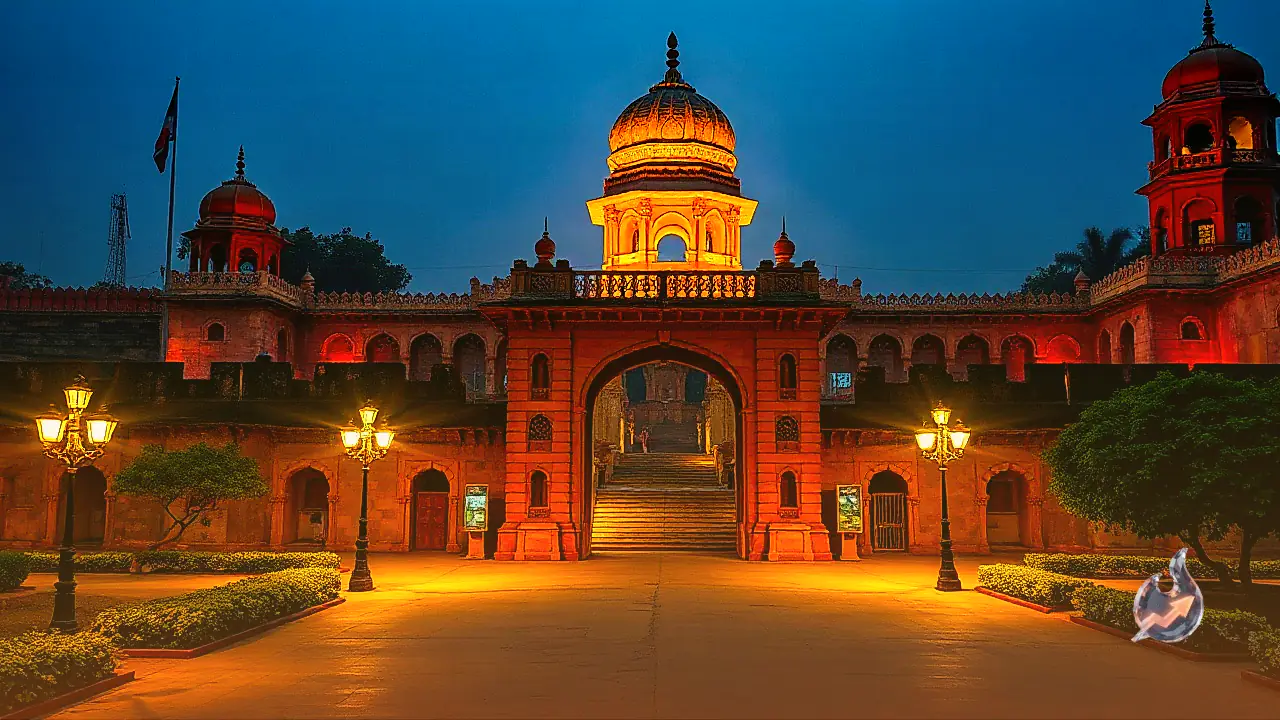















The Chittorgarh Fort in Rajasthan is globally recognized for its narratives of valor, sacrifice, and a glorious past. Standing proudly within this fortification is Kumbha Mahal, widely regarded as the most ancient and expansive palace in the region of Mewar. These walls are not merely constructed of stone, as they house countless sagas of courage, abandonment, and devotion that define history. Every year, thousands of tourists visit this historical site to witness its heritage and explore its deep-rooted past.
The Legacy of Maharana Kumbha
Kumbha Mahal derives its name from the great ruler of Mewar, Maharana Kumbha. It is believed that the palace underwent significant expansion and developmental changes during his reign. The structure still features expansive courtyards, regal chambers, interconnected hallways, and brilliant glimpses of traditional architectural style. Even though time has caused certain portions to crumble into ruins, the grandeur of the palace continues to captivate visitors to this day.
Panna Dhai’s Historic Sacrifice
According to historians, this is the very palace where one of the greatest sacrifices in Mewar's history took place. When the usurper Banvir attacked the royal family to seize power, Panna Dhai chose to place her own son, Chandan, in the bed of the heir, Udai Singh, to protect the future ruler. Banvir, mistaking Chandan for the prince, took his life. This supreme act of sacrifice by Panna Dhai is celebrated as the ultimate example of motherhood and patriotism in Indian history.
Political Turmoil and the Murder of Vikramaditya
The palace is also associated with the tragic assassination of Maharana Vikramaditya. Driven by a thirst for power, Banvir carried out the murder of Vikramaditya within these walls. This event triggered massive political shifts in the history of Mewar. The palace remains a silent observer of those chaotic times, which constitute a critical chapter in the regional chronicles.
Connections to Bappa Rawal and Meera Bai
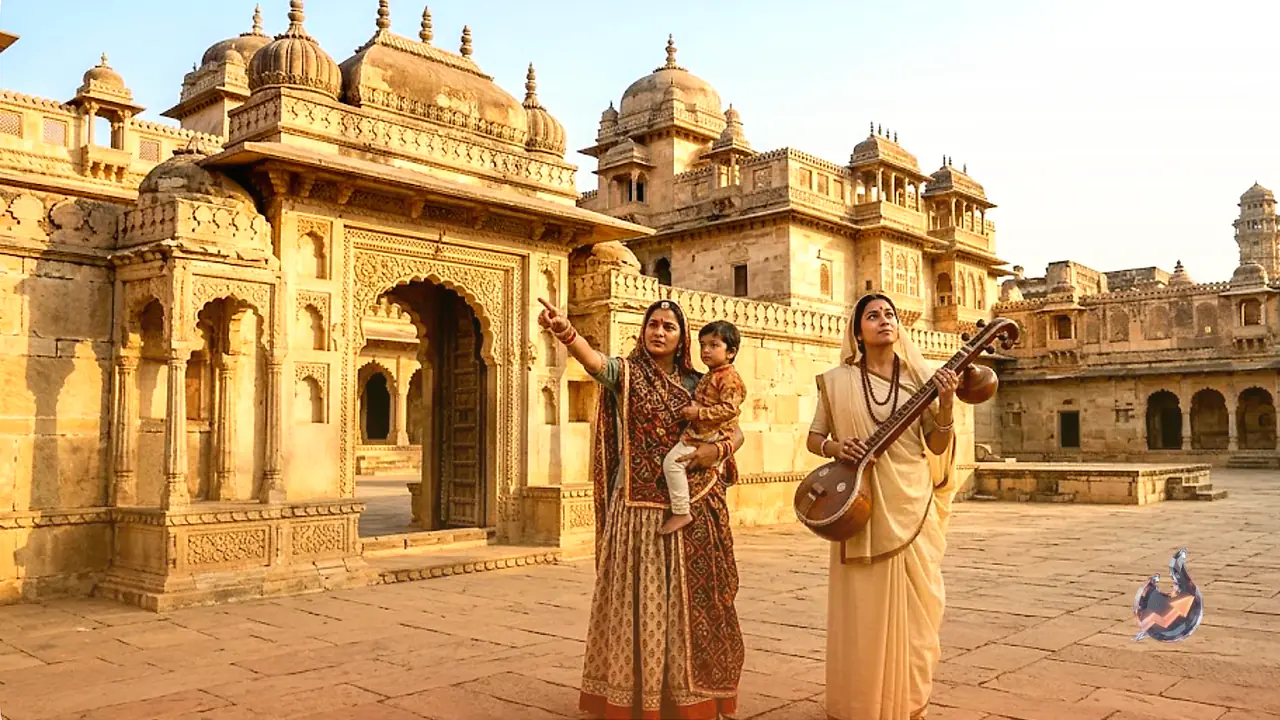
Kumbha Mahal is also linked to the founder of Mewar, Bappa Rawal, with local beliefs suggesting that he resided within the palace complex. Furthermore, the memory of the legendary saint and Krishna devotee, Meera Bai, is deeply woven into the fabric of this palace. It is said that Meera Bai spent her life immersed in devotion to Lord Krishna within these premises, transforming her lifestyle into a symbol of pure love and ultimate surrender.
Conservation and Tourism
Kumbha Mahal is currently protected under the oversight of the Archaeological Survey of India. During the monsoon and peak tourist seasons, the site sees a significant influx of visitors. Local guides engage tourists by narrating the historical events associated with the architecture and the tales of chivalry and divinity. As a symbol of Mewar’s prestige and heritage, almost every tourist visiting Chittorgarh ensures they visit this palace to feel the pride of history firsthand.