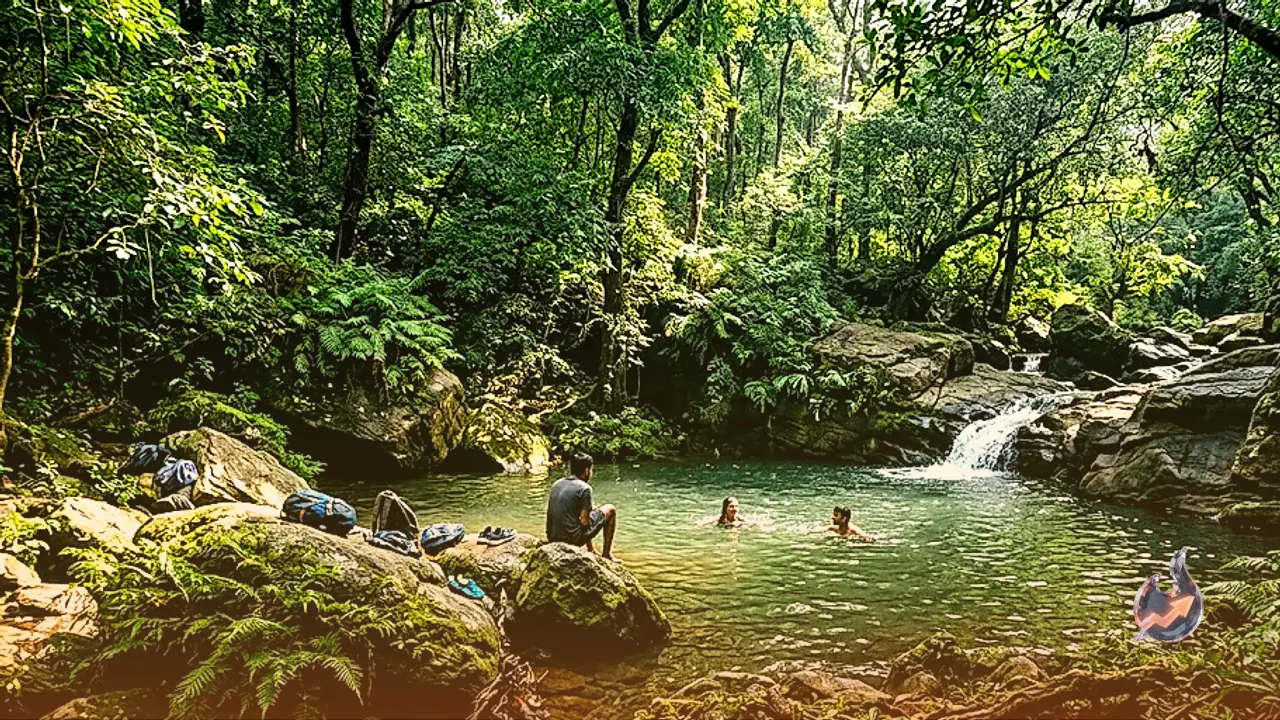




















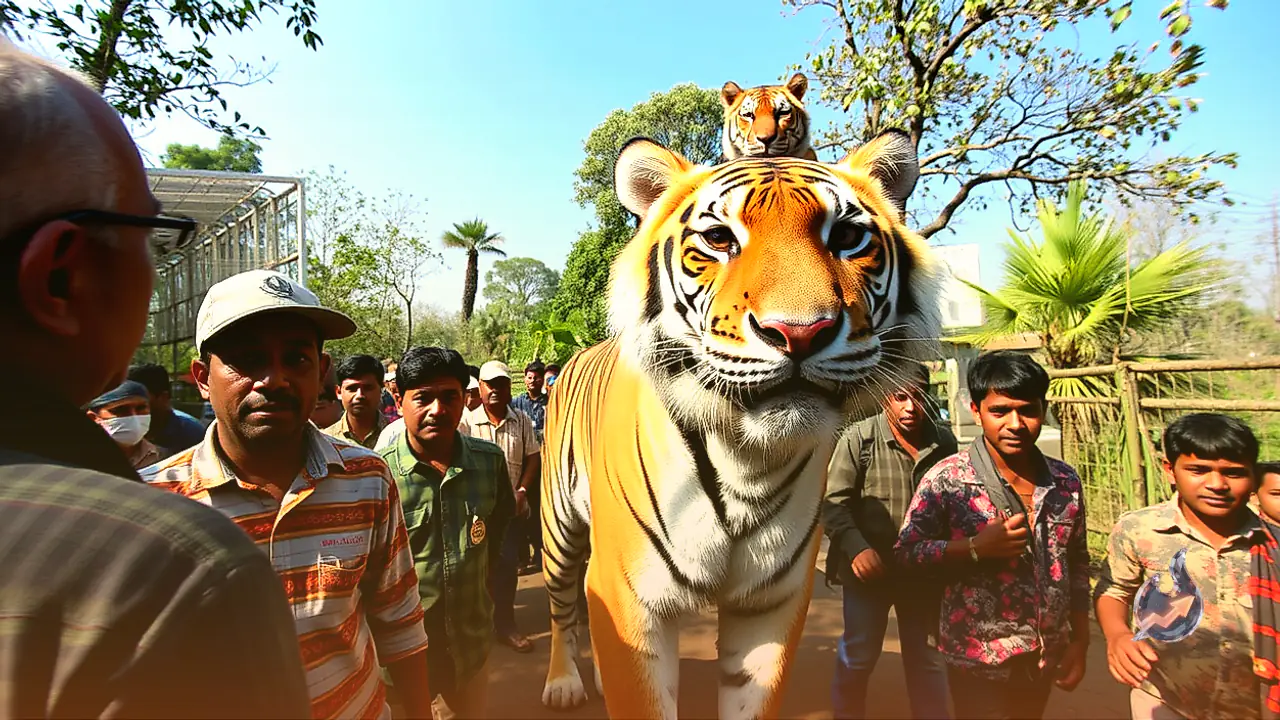

Valmiki Tiger Reserve in Bihar's West Champaran district is getting ready to open its gates for the upcoming tourism season. After the mandatory monsoon hiatus, forest authorities are aiming to resume jungle safari operations by the middle of October. While forest officials continue to evaluate shifting weather patterns with caution, there is a strong possibility that regular safari tours will be fully restored for visitors around mid-October.
Weather Disruptions and Flood Challenges Behind the Delay
In routine seasons, the monsoon restrictions on jungle safari are lifted and operations are re-established by September 31. This season, however, unprecedented flooding caused by water rushing down from Nepal, alongside persistent heavy rainfall, inundated substantial tracts of the sanctuary. These submerged pathways and adverse ground realities prevented forest tracks from being declared motorable on schedule, leading to the postponement of safari excursions into October. As forest grounds gradually stabilize, safaris are expected to commence around October 16.
Road Restoration Strategy and Financial Limitations
Forest managers have maintained a cautious timeline due to specific operational and financial protocols. Authorities explain that the department receives track maintenance funds only once every year. Initiating repairs prematurely carries the severe risk of work being washed out by an unexpected late spell of rain, which would leave officials without the administrative approvals or funds required to conduct a second overhaul. To safeguard public resources, the management avoided taking uncalculated weather risks while completing all internal preparations for the launch.
Bihar's Exclusive National Park and Rich Wildlife Haven
Valmiki Tiger Reserve holds the distinction of being the sole tiger reserve and national park in the state of Bihar, encompassing a picturesque expanse of the Himalayan Terai landscape. The protected forest sprawls across approximately 901.07 square kilometers of verdant wilderness. Geographically, it shares an contiguous border with Nepal's Chitwan National Park and Parsa Wildlife Sanctuary.
Sustained ecological conservation has yielded impressive results in the reserve, expanding the total tiger count to 54 individuals, which includes both adult tigers and growing cubs. Alongside its thriving tiger population, the diverse sanctuary serves as a vital natural habitat for several prominent species, including the one-horned rhinoceros, sloth bear, leopard, deer, gharial, and the Gangetic dolphin.