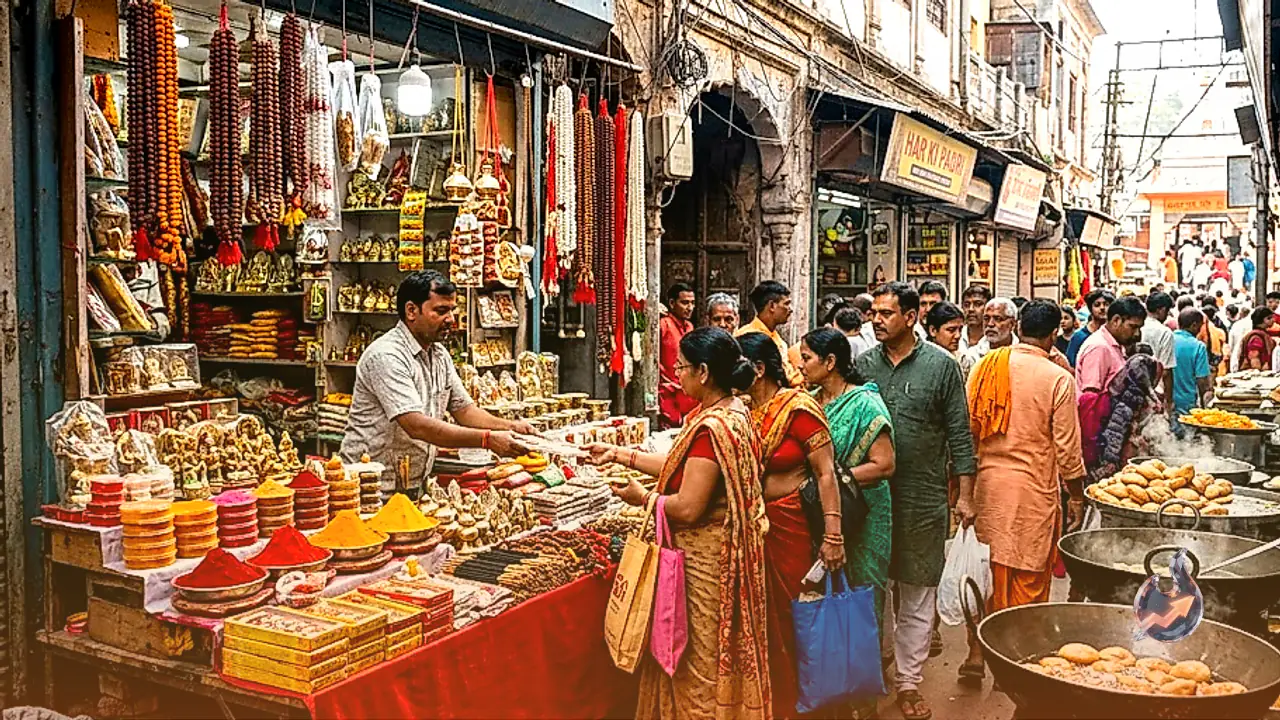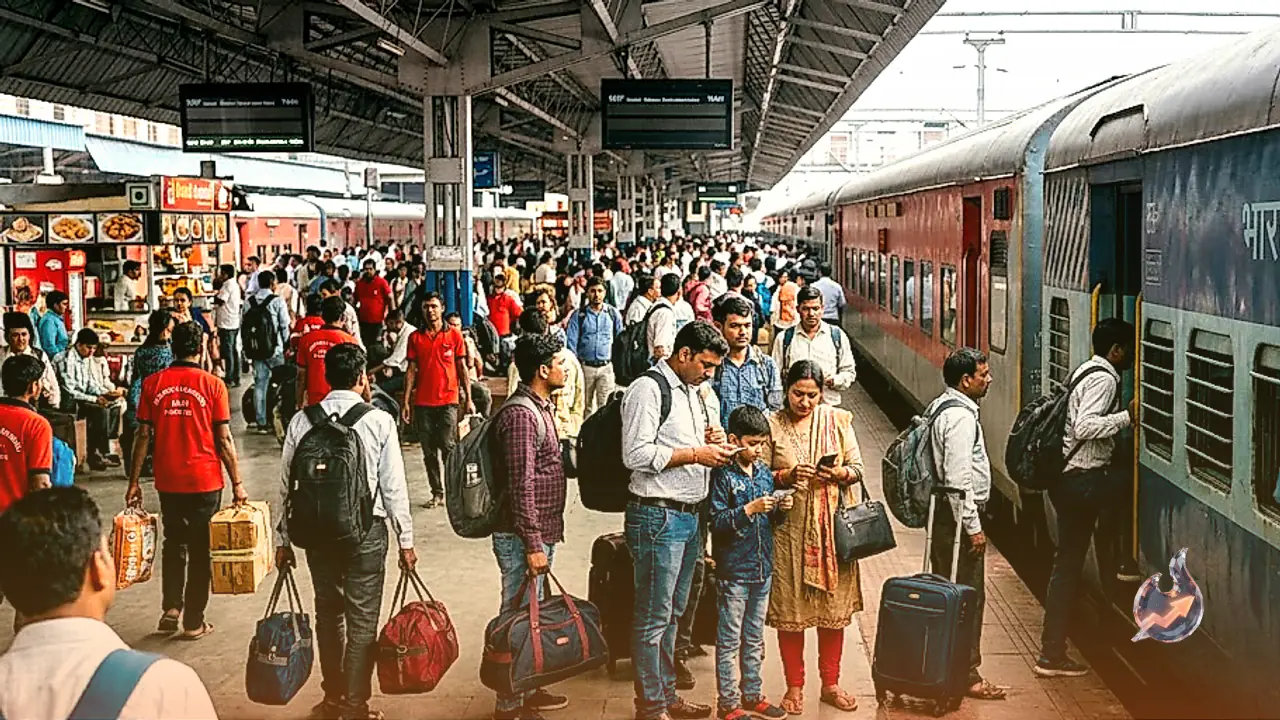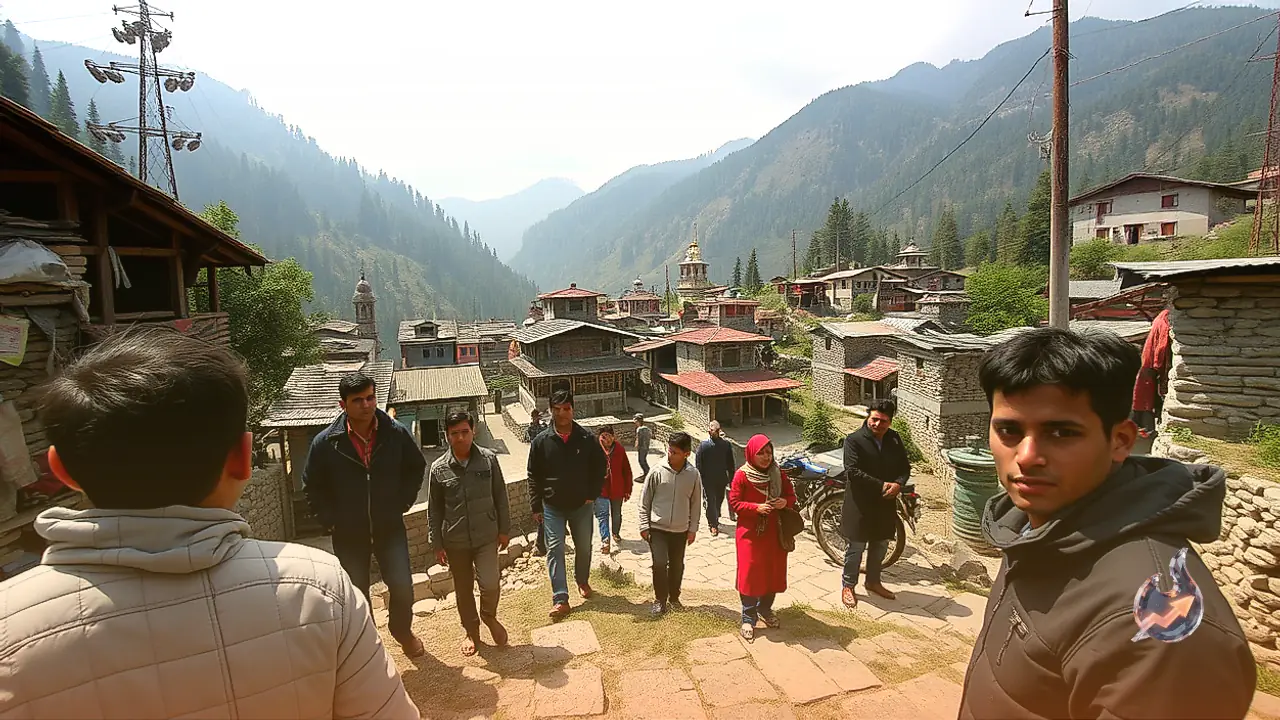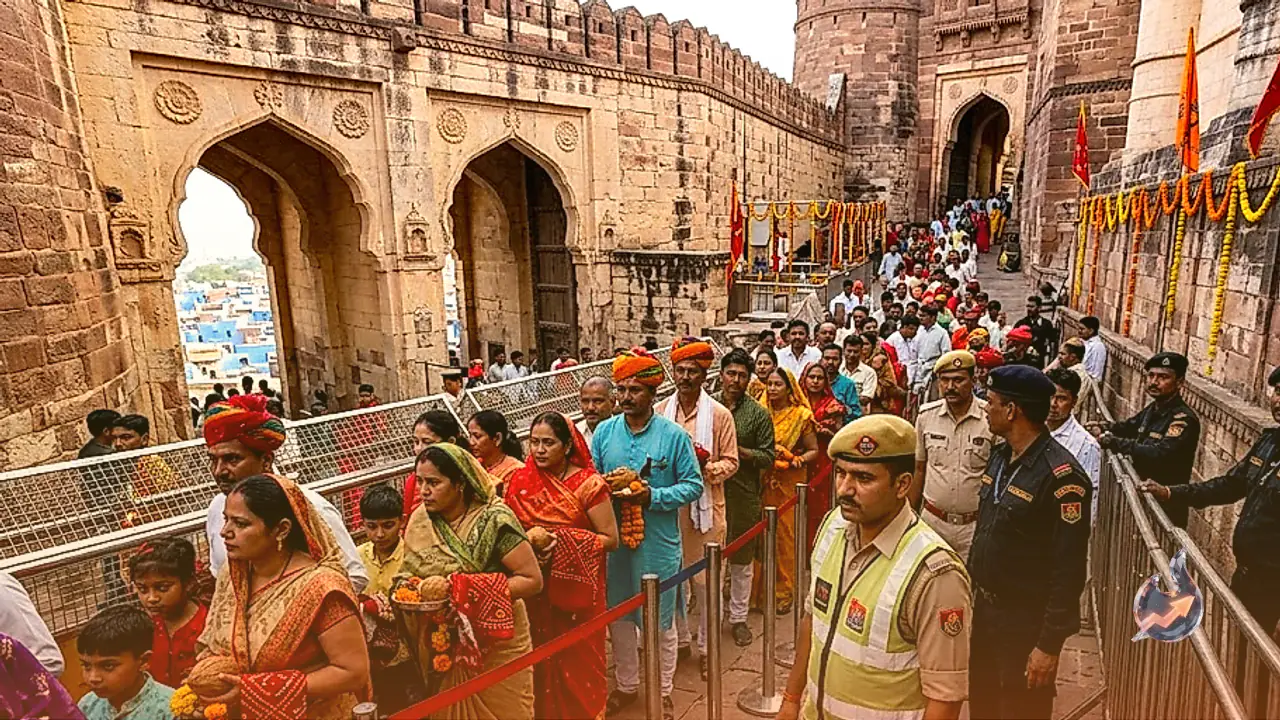

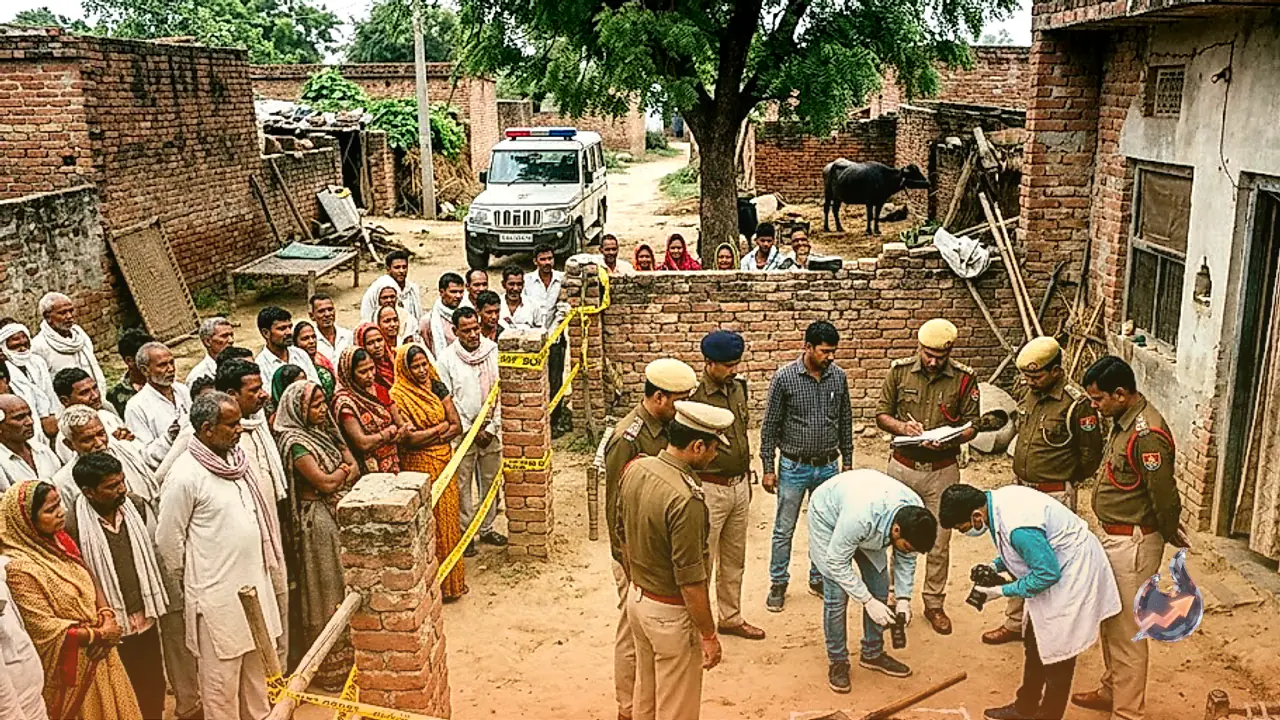


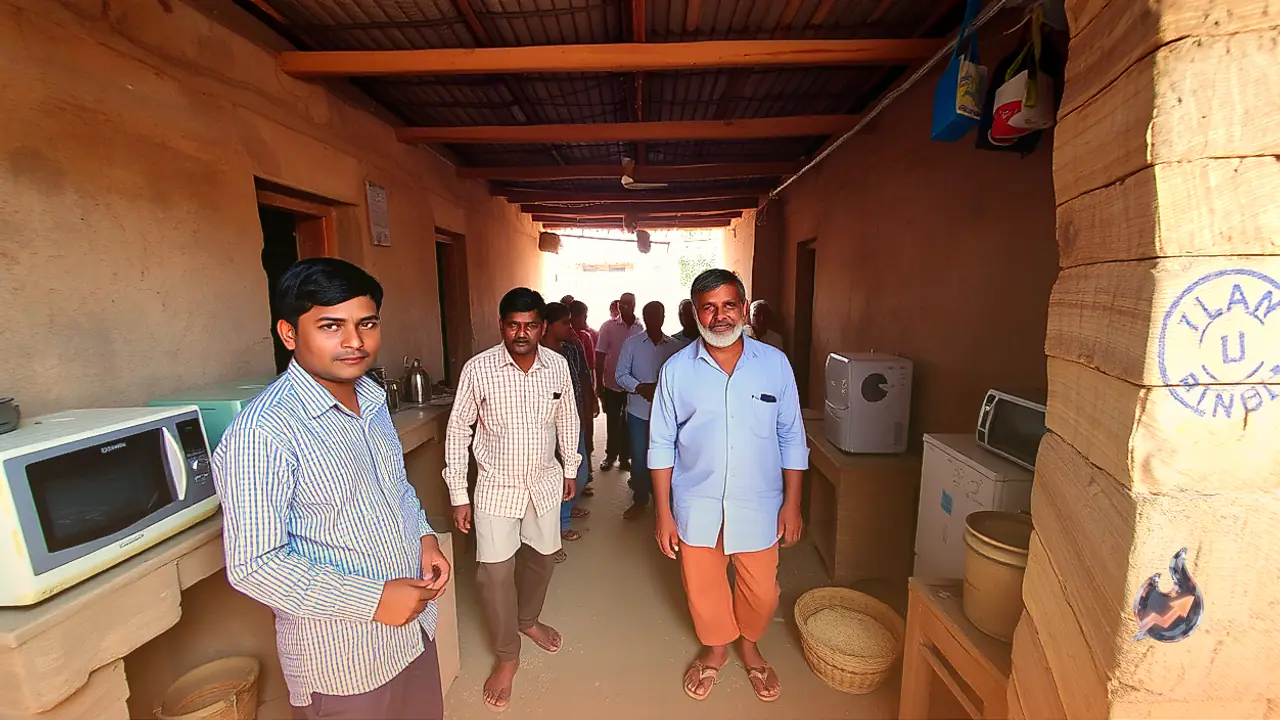

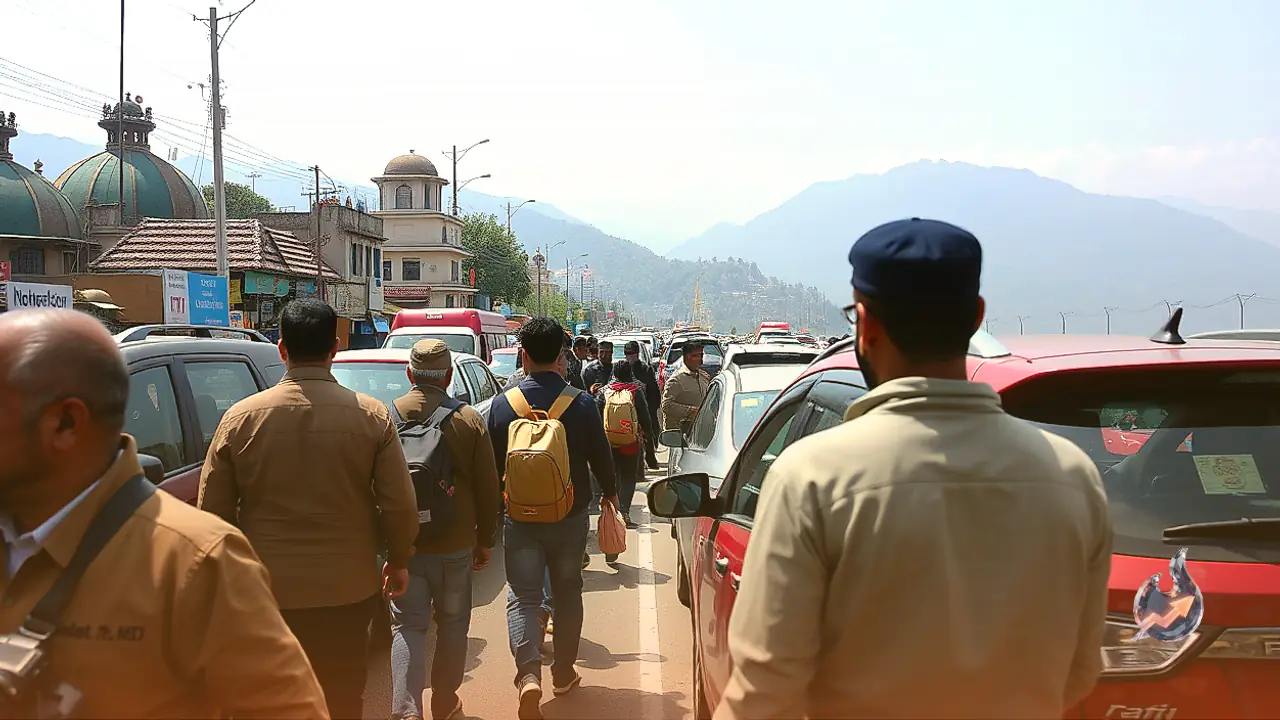
















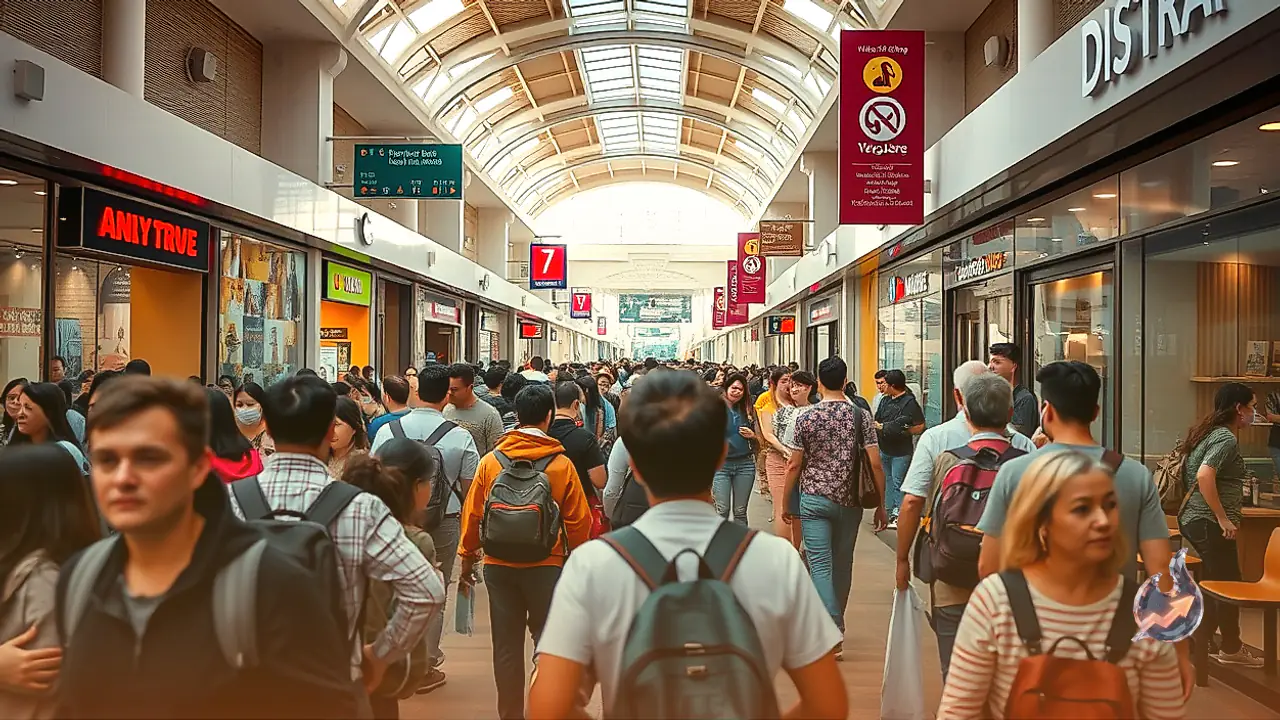

For decades, standard sightseeing followed a predictable playbook centered on bustling afternoon markets, lively cafes, and packed tourist hotspots. Most people begin exploring only after the streets fill with traffic, souvenir shops open their doors, and long queues form outside popular landmarks. Yet, an alternative approach to urban exploration is rapidly gaining traction. More travelers are now deliberately stepping out of their hotel rooms well before dawn, trading late mornings for tranquil, sunlit streets. Observing monuments without overwhelming crowds, witnessing old neighborhood lanes spring to life, and walking along empty avenues before sunrise have turned early mornings into a distinctive travel experience.
How a 5 AM City Differs from Daytime Tourism
The personality of an urban landscape at five in the morning contrasts sharply with its daytime chaos. At dawn, traffic noise fades away, crowds are virtually absent, and the raw mechanics of local life begin to surface at a gentle pace. One might observe newspaper couriers pedaling through quiet intersections, milk distributors unloading crates, or local vendors setting up small wooden stalls. These subtle everyday routines stand in stark contrast to traditional monument hopping. Instead of merely consuming a postcard view of a famous structure, visitors get to absorb the unfiltered baseline tempo of a community going about its morning business.
Trading Expensive Hotels for the Soul of Historic Streets
This changing preference shifts the core focus away from luxury accommodation, trendy brunch spots, and exhaustive shopping trips toward the authentic ambiance of the destination itself. Timing is the primary catalyst here. Consider an ancient bazaar that turns chaotic and suffocating by midday; visit that very same corridor at daybreak, and it reveals an entirely different character. You see sweepers clearing the pavements, metal shutters rattling open one by one, and quiet alleyways bathed in soft morning mist. The physical geography remains unchanged, yet the personal experience transforms completely.
For photography enthusiasts, early dawn presents unmatched creative opportunities. Soft morning daylight, minimal human clutter, and unposed local interactions combine to produce genuine frames that harsh midday sun cannot replicate. Still, the outcome depends on seasonal conditions, local daylight schedules, and the specific geographic setting of each destination.
Stepping Beyond the Packaged Tourist Bubble
The draw of early morning exploration extends far beyond mere silence. It offers travelers an opportunity to transcend standard commercial portrayals and connect directly with local culture. Savoring hot tea and traditional breakfast at a small neighborhood stall, watching the sunrise across a quiet lake or riverbank, and ambling through residential courtyards make journeys far more intimate and memorable.
Moreover, starting exploration at the crack of dawn offers a major structural advantage to one's itinerary. Having already experienced the town's most atmospheric quarters during the first few hours, visitors still retain the entire remainder of the day for standard museum visits, dining, shopping, or scheduled excursions, effectively doubling the value of their time.
Essential Safety Checks and Practical Considerations
While the allure of exploring a sleeping city is undeniable, it demands careful planning and realistic awareness. Not every city is suited for unguided morning wanderings. Public transport networks are often dormant or infrequent before dawn, while prominent attractions, ticket counters, and eateries may stay firmly shuttered. Furthermore, poorly lit lanes and deserted streets in unfamiliar districts can pose legitimate personal safety hazards.
Solo travelers in particular need to verify local conditions before venturing out into quiet quarters. Assessing street lighting, knowing reliable transport options, checking weather forecasts, and confirming whether an area is safe for pedestrian walks at dawn are vital precautions. Experiencing a city at 5 AM is far richer than a passing social media novelty; it is an intimate engagement with a city as it stirs awake, turning the waking town itself into the primary destination.