























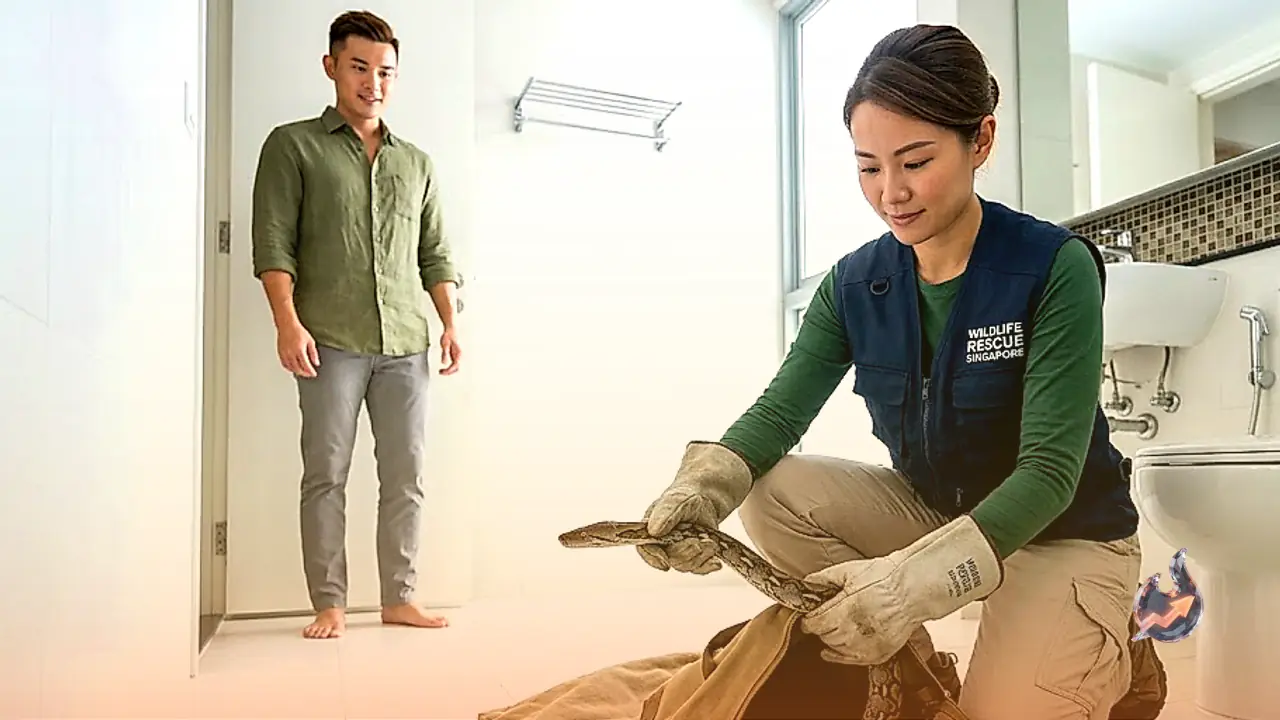

Discovering a snake curled up inside a toilet or resting across a bathroom floor early in the morning can trigger immediate panic. Incidents of reptiles venturing into living quarters surge dramatically during periods of heavy rain and localized waterlogging. Many householders assume that foul odors or untidy plumbing draw these creatures indoors, yet the actual underlying mechanics involve environmental disruption. Subterranean displacement, accessible drainage channels, sheltered recesses, and the pursuit of prey routinely lead snakes straight into residential pipelines.
Why Snakes Seek Entry into Toilets and Bathrooms
A reptile does not invade a domestic dwelling merely because a washroom lacks cleanliness. External environmental pressures dictate its movements. During prolonged downpours, underground burrows and root crevices quickly fill with water, destroying natural shelters. Under these conditions, displaced serpents must locate dry, elevated, and quiet spaces to survive. Guidelines issued by the Ministry of Health highlight that intense rainfall forces reptiles out of submerged resting zones, prompting them to move toward human settlements and adjoining structures.
Bathrooms provide an inviting microclimate characterized by high humidity, ambient coolness, dim lighting, and minimal physical disturbance. Whenever outdoor drainage pipes or septic connections lack protective screening, snakes can crawl directly against pipe walls and emerge through floor drains or toilet bowls. Furthermore, residential premises that host abundant populations of frogs, toads, and rodents present an active foraging territory. The presence of food sources lures foraging reptiles inside, rendering cosmetic cleaning agents entirely ineffective against unwanted intrusions.
Inefficacy of Phenyl, Sulphur, and Traditional Home Repellents
Popular folklore and online discussions frequently recommend dousing surfaces with phenyl, sulphur dust, slaked lime, citrus juices, or harsh caustic fluids to repel unwanted reptiles. Scientific evaluations consistently dispute the efficacy of these domestic interventions. Documentation published by the National Health Mission alongside the National Centre for Disease Control emphasizes that neither synthetic chemical formulations nor aromatic herbal concoctions serve as verified, dependable snake repellents.
Splashing caustic compounds or chemical cleaning agents over a cornered serpent frequently backfires with severe consequences. Strong irritants provoke sharp distress and erratic aggression, dramatically increasing the hazard of defensive striking within a cramped washroom. Attempting to batter, pin down, or catch the animal unassisted poses severe injury risks, particularly in tight quarters where escape routes for both the reptile and the resident are restricted.
Structural Barriers and Environmental Management
Securing a property against reptilian entry demands physical fortification rather than reliance on airborne scents. Homeowners must conduct a comprehensive inspection of all bathroom plumbing exits, waste lines, and septic overflow channels. Outlets ought to be sealed with heavy-duty metal mesh or specialized drain covers that permit wastewater drainage while blocking wildlife. Official health recommendations urge individuals to cement gaps surrounding foundation pipes, patch masonry fractures, and cover rainwater drains.
Outdoor property management plays an equally critical role in perimeter security. Yard margins, boundary walls, and alleyways must be cleared of thick underbrush, tall grass clumps, discarded building materials, and stacked timber. These disorderly deposits serve as ideal daytime refuges for visiting reptiles and their prospective prey. Suppressing domestic rodent infestations around storage areas and kitchens further removes the primary incentive that draws predatory serpents onto the premises.
Safe Action Protocol When Confronting a Snake
If an encounter occurs within a bathroom enclosure, maintaining total composure remains paramount. Retreat carefully to establish a generous safety perimeter, abandoning any impulse to capture or beat the creature. Shield household dependents, notably young children and curious domestic pets, by removing them from the vicinity without delay.
Whenever it is safe to do so without drawing close to the animal, shut the bathroom door to isolate the space and prevent the reptile from slithering into adjoining bedrooms or living halls. Promptly contact an accredited snake rescue volunteer, the local forest division, or civic emergency helplines to handle extraction. The Health Ministry firmly instructs citizens against trying to neutralize or catch wild snakes independently, pointing to qualified rescue teams as the only safe avenue for removal.