


















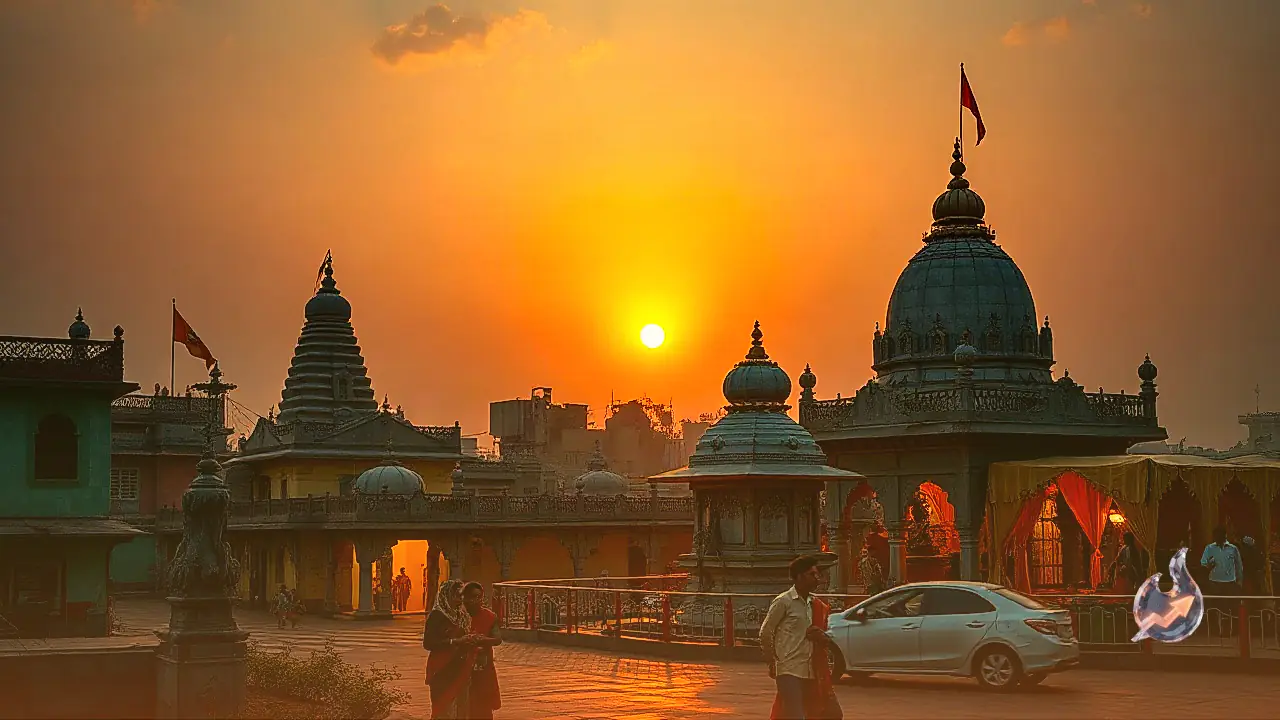

A Thursday falling on the auspicious Trayodashi tithi holds special significance for Shiva devotees, marking the observance of Guru Pradosh Vrat. On September 24, the fast and ceremonial worship of Guru Pradosh, also known as Brihaspati Pradosh, are observed during the Shukla Paksha of the Bhadrapada month. Devotees observing this sacred day spend the daylight hours in fasting and gather during the evening hours to offer dedicated prayers to Lord Shiva and Goddess Parvati. In traditional customs, the core ritual of Pradosh worship is performed around sunset, a period traditionally known as Pradosh Kaal. To ensure smooth completion of the evening prayers, devotees are advised to arrange the necessary puja items and understand the sequence of rituals beforehand.
Significance of September 24 and Trayodashi Tithi Timings
According to Drik Panchang, the Pradosh Vrat for September 2026 takes place on Thursday, September 24. Astrological calculations show that the Trayodashi tithi of Bhadrapada Shukla Paksha began on the night of September 23 at approximately 10:50 PM. This tithi remains active until around 11:18 PM on the night of September 24. Since the worship of Pradosh requires the coincidence of the Trayodashi tithi with the evening sunset window, the fast is observed on September 24. A Pradosh falling on Thursday carries the distinct designation of Guru Pradosh or Brihaspati Pradosh.
Religious tradition emphasizes that the Pradosh Kaal window around sunset is the most potent hour for Lord Shiva's worship. Because sunset timings vary slightly from city to city and across geographic regions, devotees are encouraged to consult their local panchang to determine the exact muhurat for their locality.
Complete Checklist of Puja Materials
Conducting the Guru Pradosh ceremony at home requires assembling customary offerings and sacred items well in advance. Practitioners should set up a Shivling or a picture of Lord Shiva and Goddess Parvati, along with the following items
- Clean pure water and Gangajal (holy water)
- Milk, curd, ghee, honey, and sugar (for preparing Panchamrit)
- Clean, intact bilva leaves (belpatra)
- White flowers, unbroken rice grains (akshat), and sandalwood paste (chandan)
- Incense sticks (dhoop), oil or ghee lamps (deepak), and camphor
- Fresh fruits and traditional sweets for bhog
- A clean seating mat (aasan) and dedicated water vessels
Panchamrit can be easily prepared by combining milk, curd, ghee, honey, and sugar. When selecting bilva leaves, it is essential to ensure they are unbroken, clean, and whole. Devotees should prioritize items that can be respectfully and easily procured.
Step-by-Step Evening Worship Rituals
Fasting rules can be tailored to individual capability and family practices, ranging from a complete fast to consuming fruits and milk throughout the day. Before commencing the primary evening ritual, practical preparation is essential
- Bathe before the evening puja, put on clean garments, and thoroughly cleanse the puja altar.
- Sit comfortably on a clean mat, meditate upon Lord Shiva and Goddess Parvati, and take a formal resolve (sankalp) for the fast.
- Gently bathe the Shivling with clean water.
- Perform the sacred abhishekam using Gangajal and the prepared Panchamrit, followed by another rinse with pure water.
- Apply sandalwood paste onto the Shivling, followed by offerings of unbroken bilva leaves, white flowers, and akshat.
- Light incense sticks and the lamp to initiate the ceremonial worship.
- Chant sacred Shiva mantras with devotion and focus.
- Recite or listen attentively to the Guru Pradosh Vrat Katha (sacred narrative).
- Perform the traditional aarti for Lord Shiva and Goddess Parvati using camphor and lamps.
- Conclude the prayers by seeking blessings, expressing personal aspirations, and asking for peace and well-being.
Sacred Mantras for Recitation
Recitation of sacred chants forms a vital component of Shiva worship. Devotees may choose between simple chants and Vedic hymns according to their practice
- Panchakshara Mantra: The fundamental and universally recited chant is Om Namah Shivaya. It is commonly recited 108 times using a rudraksha rosary during worship.
- Maha Mrityunjaya Mantra: For spiritual strength, health, and protection, devotees chant the Maha Mrityunjaya Mantra: Om Tryambakam Yajamahe Sugandhim Pushtivardhanam, Urvarukamiva Bandhanan Mrityor Mukshiya Maamritat.
Practical Guidelines and Regional Traditions
Because the central worship takes place during the relatively short evening Pradosh Kaal, preparing ingredients and sacred items earlier during the day prevents rushed rituals around sunset. Fasting guidelines, offerings, and ceremonial customs often vary by family heritage and regional tradition. Practicing devotees should observe the fast according to their established lineage rules and local panchang calculations.