






















When grey hairs begin to appear, the immediate instinct is to find ways to conceal them. While many people turn to commercial hair dyes and chemical colors, others prefer traditional and natural home remedies like henna. Well-known comedian Bharti Singh has also shared her personal routine of using a homemade henna mixture to color her hair naturally. According to her, she has never used commercial hair colors in her life and instead prepares a deep shade of henna right at home.
Ingredients Required for the Natural Mixture
This simple household method involves mixing regular henna powder with brewed tea water, fresh aloe vera gel, and egg whites. If you are looking for a chemical-free alternative to standard hair colors, this approach might be very useful for you. It does not require any expensive products, and most of the necessary ingredients are easily available inside a typical kitchen.
How Bharti Singh Prepares the Henna
Bharti Singh shared the method of preparing this hair treatment in a video posted on her YouTube channel. According to her, she uses this specific mixture to color her hair safely. The preparation starts by boiling tea leaves in water until the water absorbs a rich, dark color from the tea. Once the tea water is properly boiled, it is strained and set aside, ensuring that it is not overly hot when eventually mixed into the henna.
Using an Iron Skillet and Mixing Process
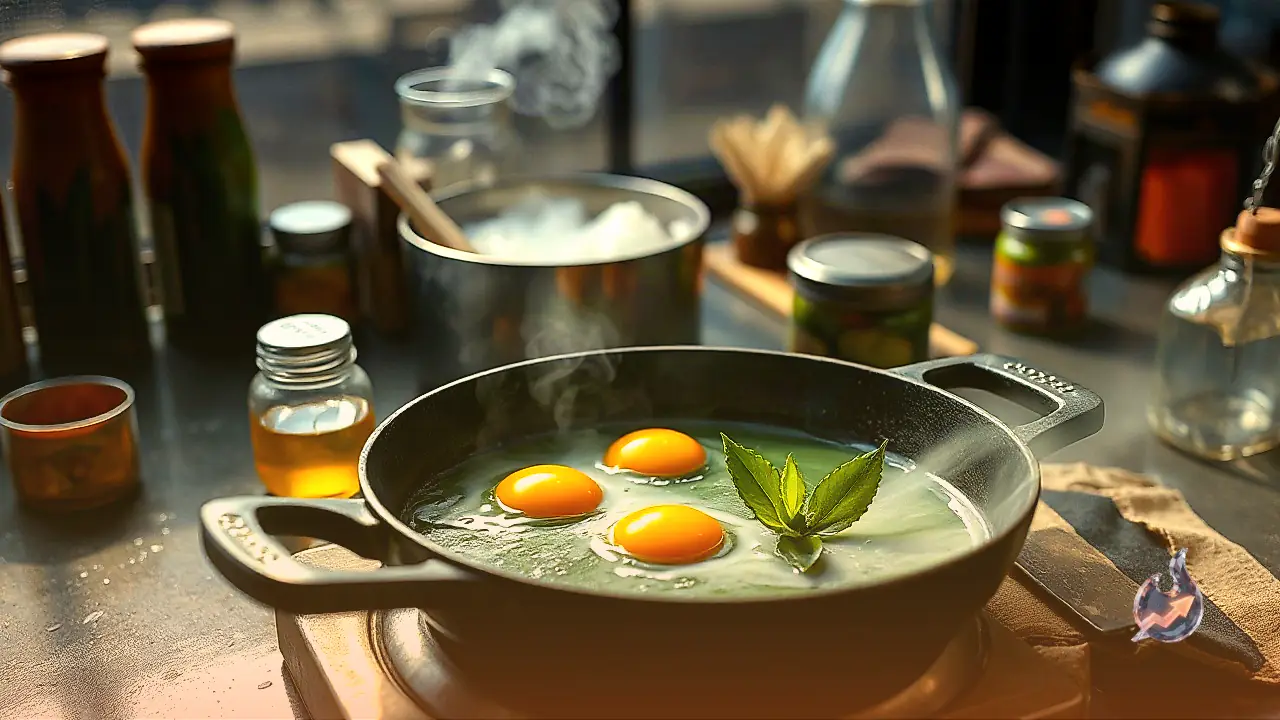
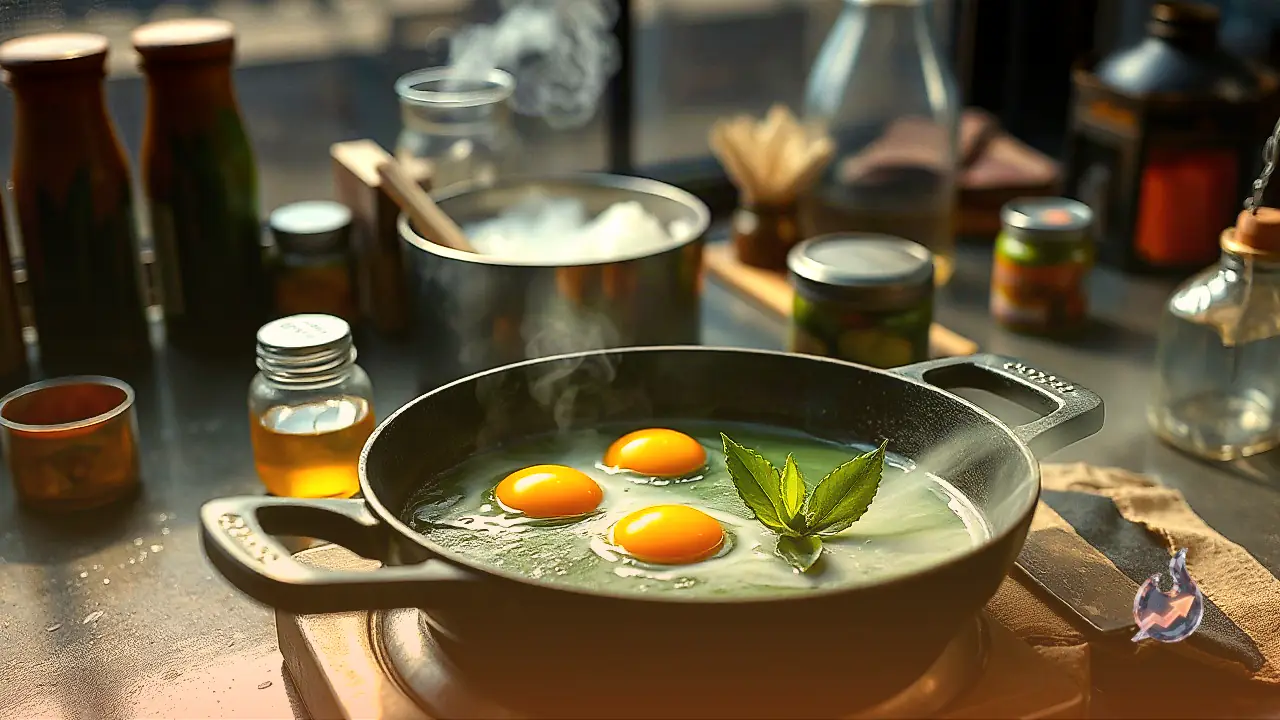
The use of an iron skillet is an essential part of this recipe because it helps darken the color of the henna naturally. First, take the required amount of natural henna powder inside the iron skillet. Next, blend in the egg whites and a small amount of aloe vera gel. Gradually pour the prepared lukewarm tea water into the skillet while mixing thoroughly to achieve a smooth paste that is neither too runny nor too thick.
Overnight Soaking and Next Morning Application
After the mixture is fully prepared, it should be covered and left to sit overnight, as noted by Bharti Singh. Allowing the mixture to rest overnight lets it interact with the iron surface, which helps produce a richer and deeper shade. By the very next morning, the paste becomes completely ready to be applied to the hair.
Proper Application Technique for Hair
Before applying any homemade hair pack or henna, it is important to ensure that your hair is clean. Apply the prepared mixture thoroughly from the roots of the hair all the way down to the tips. It is especially important to apply a thick layer of henna on areas where grey hair is more prominent. According to the method shared by Bharti Singh, the paste should be left on the hair for about one to one and a half hours.
Washing and Cleansing Guidelines
Never leave henna in your hair for so long that it dries out completely and becomes stiff. Once the recommended time has passed, rinse your hair thoroughly with plain water to wash away all the residue. Afterward, you can clean your hair using your regular shampoo according to your personal preference.
Will It Turn Hair Completely Black
It is important to keep in mind that natural henna does not produce the exact same color on everyone's hair. Natural henna typically imparts a red, orange, or brown undertone to the strands. While the tea water and the iron skillet help darken the overall shade, this method cannot be taken as a 100 percent guarantee of turning grey hair jet black. If your hair is already very grey, the final result may vary depending on your hair's natural texture and previous coloring history. Therefore, doing a patch or strand test on a small section of hair before full application is always recommended.
Important Considerations Regarding Aloe Vera and Eggs
This hair mixture also incorporates aloe vera gel and egg whites. While these ingredients are widely discussed in home remedies for their hair benefits, there is no absolute guarantee that this specific blend will accelerate hair growth or significantly strengthen hair roots. If you are allergic to eggs or any other component used in the recipe, avoid using it altogether. If you are applying henna for the very first time, conducting a skin sensitivity test on a small patch of skin is a smart precaution.