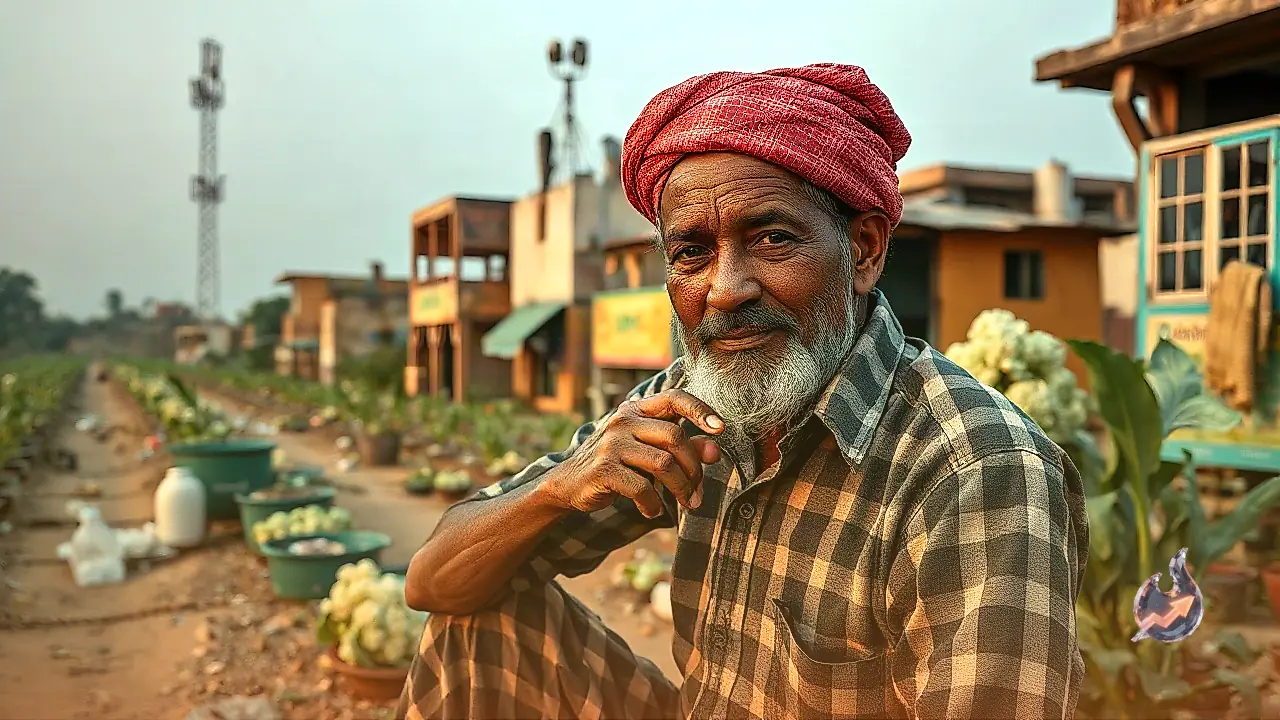























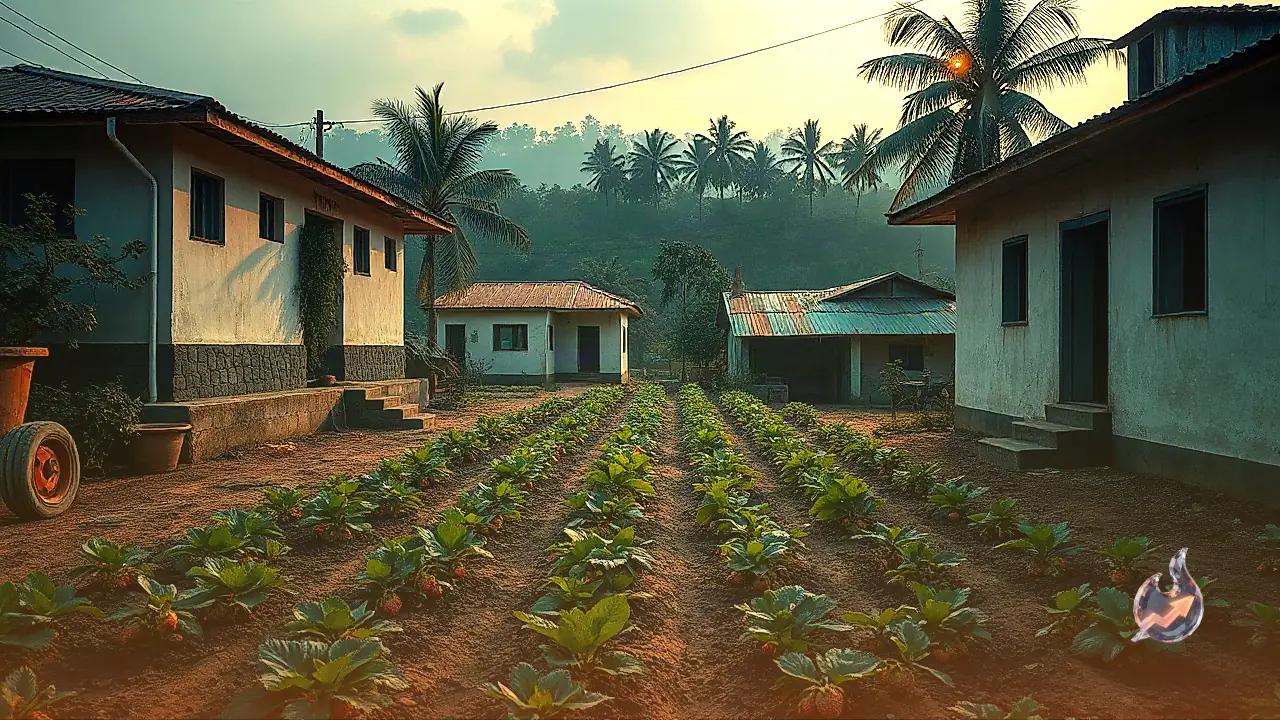

The agricultural landscape in Palamu is undergoing a significant transformation as local farmers increasingly adopt modern scientific techniques and transition from traditional crops to high-value horticulture. Strawberry cultivation has emerged as an exceptionally lucrative venture for farmers, driven by high demand in international markets during the winter season. However, because strawberries are delicate fruits, they run a high risk of rot, fungal infections, and quality degradation if they come into direct contact with wet soil. To address this critical challenge and ensure high-yield returns, Dr. Pramod Kumar, an agricultural scientist based in Palamu district, has shared vital guidelines for farmers looking to establish successful strawberry plantations.
The Importance of Mulching and the Low-Cost Straw Alternative
To prevent strawberry fruits from touching the ground, the technique of mulching is considered absolutely essential. In simple terms, mulching involves covering the soil surrounding the plants with a protective barrier to isolate the growing fruits from the earth. According to Dr. Pramod Kumar, while plastic mulching is highly effective in modern farming, its initial setup cost can be prohibitive for small-scale cultivators. To overcome this financial barrier, farmers can opt for a highly economical and natural alternative by using paddy straw or dry grass. This organic mulching method is highly cost-effective, effectively locks in soil moisture for longer durations to reduce irrigation needs, and naturally suppresses weed growth around the crop beds.
Ideal Climate and Soil Specifications
Strawberries thrive best in cool and temperate weather conditions. A temperature range of 15 to 25 degrees Celsius is considered ideal for the optimal growth of the plants and the development of quality fruit. When it comes to soil, light sandy-loam soil rich in organic matter is highly recommended. The soil should ideally have a pH level ranging between 5.5 and 6.5. Additionally, establishing an efficient drainage system in the field is mandatory; waterlogging in the root zone can cause root rot, leading to total crop failure.
Recommended Varieties, Spacing, and Planting Timeline
Selecting healthy, disease-free saplings is a fundamental step toward a successful harvest. Strawberry cultivation is most successful when planted on raised beds, integrated with drip irrigation systems and proper mulching. The ideal window for transplanting these saplings is between October and November. To ensure adequate sunlight and physical space for growth, plants should be spaced at approximately 30x45 centimeters. Farmers can choose from premium, high-yielding varieties such as Camarosa, Chandler, Festival, Sweet Charlie, and Winter Dawn, which are well-suited to the regional climate.
Water Management, Fertilization, and Up to 90 Percent Subsidy
Drip irrigation is highly recommended for strawberry cultivation as it delivers precise, controlled amounts of water directly to the plant roots. For soil nutrition, a balanced combination of well-rotted cow dung manure, vermicompost, and NPK fertilizers should be applied. Introducing organic manure and essential micronutrients during the flowering phase is critical to enhancing fruit size, color, and overall yield. To make this venture highly accessible, the government offers substantial financial support under various agricultural schemes. Farmers can receive subsidies ranging from 80 to 90 percent on mulching materials and other essential inputs. Interested cultivators should visit their local district agriculture or horticulture department to understand current schemes, eligibility criteria, and the application process to claim these benefits.