
























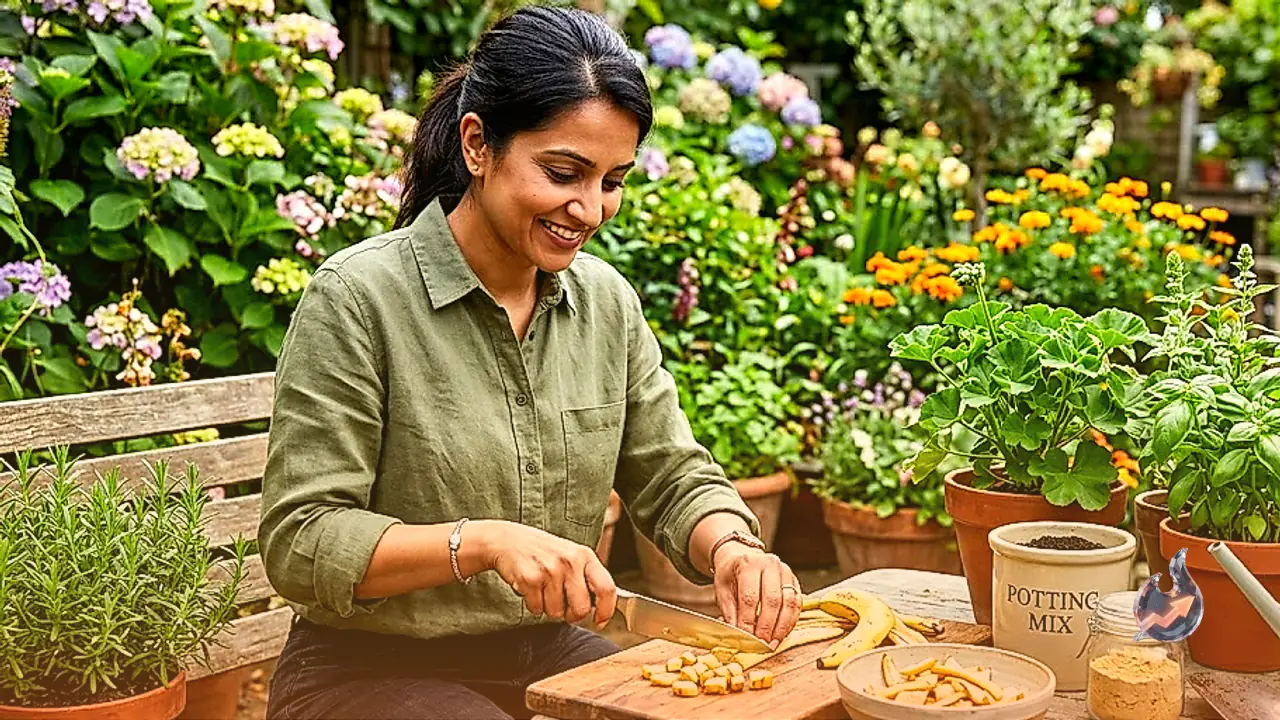

Every time we enjoy a banana, the peel almost instinctively goes straight into the trash. For most households, this is a standard daily routine. However, if you possess a passion for gardening and nurture a green space at home, this discarded peel represents an incredibly valuable resource. Instead of cluttering landfills, banana peels can serve as an exceptional organic supplement for your potted plants. Utilizing kitchen waste in this manner not only promotes sustainable living by recycling organic matter but also delivers essential nutrients directly to your plants. Historically, home gardeners have relied on banana peels to boost the health of flowering and fruiting plants, observing remarkable improvements in their growth.
While the benefits of banana peels are widely recognized, simply burying a whole peel directly into the soil of a plant pot is not always the most effective strategy. In fact, doing so can lead to unexpected complications. The quantity used and the specific method of application play critical roles in determining whether the plant benefits or suffers. Gardening expert Sheetal Bavishi emphasizes that understanding the correct techniques is crucial for harnessing the true potential of this natural resource. To help home gardeners navigate this process, she shares four highly practical and straightforward methods to utilize banana peels efficiently.
Nourishing Soil with Liquid Banana Peel Fertilizer
One of the simplest and most accessible techniques involves creating a liquid nutrient solution by soaking the peels in water. To begin, gather fresh banana peels and cut them into relatively small, manageable pieces. Cutting them increases the surface area, allowing the water to extract the nutrients more effectively. Place these chopped pieces into a clean glass jar or a bucket filled with fresh water. Allow the mixture to sit undisturbed overnight, or for approximately twenty-four hours. During this soaking period, many of the water-soluble minerals and nutrients present in the peels will dissolve directly into the water.
The following day, carefully strain the liquid to separate it from the solid peel fragments. This nutrient-infused water can then be poured directly onto the soil of your potted plants, acting as a gentle, fast-absorbing liquid feed. As for the leftover solid pieces of banana peel, do not throw them away. Instead, add them to your compost bin, where they can undergo complete decomposition and contribute to your main compost pile.
Creating Long-Lasting Dry Banana Peel Powder
For those who prefer a long-term storage option or want a fertilizer that releases nutrients gradually, dehydrating the peels to make a powder is an excellent method. Start by thoroughly washing the banana peels to remove any external residues. Slice them into small fragments to accelerate the drying process. Spread these pieces evenly on a tray and place them under direct sunlight. It is absolutely essential to let them dry completely until they lose every trace of moisture and become completely brittle and dark. If any moisture remains, the powder might develop mold during storage.
Once the pieces are fully dry and crispy, transfer them into a dry blender or grinder. Process them until they turn into a very fine, smooth powder. This homemade organic powder can be stored in an airtight jar for future use. When applying it, sprinkle a small quantity over the top layer of the pot's soil and gently work it in. It is critical to avoid overusing this powder; starting with a small amount once a month is highly recommended. After mixing the powder into the soil, water the plant lightly. This moisture helps activate the dry powder, allowing it to slowly integrate with the soil and feed the root system over time.
Using the Freezer to Collect and Prepare Peels
If you live in an apartment or do not have access to an open outdoor space with bright sunlight to dry the peels, the freezer method offers a highly convenient alternative. This technique is particularly useful for individuals who want to accumulate a substantial quantity of peels over several days before utilizing them. Simply clean the fresh banana peels and place them inside a sealed, airtight plastic container or bag, then store them in your freezer. Freezing preserves the organic structure and prevents the peels from rotting or attracting flies in the kitchen.
When you are ready to use them, remove the frozen peels and allow them to thaw completely at room temperature. As they thaw, they will naturally become very soft and mushy. You can then chop them into tiny pieces or blend them into a fine organic paste. Mix a small quantity of this paste directly into the plant's soil. However, caution is required here. Introducing large quantities of fresh, wet organic matter into a small flowerpot can disrupt the soil chemistry and attract unwanted pests. Therefore, always use this paste in moderation.
Formulating a Nutritious Spray Solution
Another creative way to apply this natural resource is by formulating a liquid spray. To do this, blend fresh banana peels with a sufficient amount of water until you obtain a very thin, consistent liquid mixture. Some gardening tips suggest enhancing this liquid by incorporating a small amount of Epsom salt. Epsom salt, which contains magnesium and sulfur, complements the potassium in the banana peels, providing an extra nutritional boost that supports photosynthesis and overall plant vigor.
Before using this mixture, it is vital to strain it extremely well through a fine cloth or sieve to ensure no solid pulp remains, which could clog your spray bottle nozzle. Once filtered, fill a clean spray bottle with the liquid. When applying any new homemade spray to your plants, caution is paramount. It is wise to perform a quick patch test by spraying the mixture on just one or two leaves first. Monitor the plant's reaction over a day or two. Additionally, never spray your plants during the hot, intense hours of midday sun, as the combination of moisture and strong sunlight can scorch the delicate leaves.
Why Flowering Plants Benefit from Banana Peels
The main reason banana peels are highly celebrated in the domestic gardening community is their rich mineral content, particularly potassium. Potassium is an essential macronutrient that plays a vital role in regulating plant water pressure, facilitating enzyme activation, and promoting robust root systems. It is especially beneficial for heavy-blooming varieties such as roses and hibiscus, as well as several types of backyard vegetables and fruit-bearing plants.
However, while banana peels are a fantastic organic amendment, it is crucial to understand that they are not a complete, self-sufficient fertilizer. A plant requires a balanced diet of nitrogen, phosphorus, and potassium, alongside secondary nutrients and micronutrients. Relying solely on banana peels will not guarantee that a struggling plant will suddenly burst into bloom. Factors such as soil quality, proper drainage, adequate sunlight, and appropriate watering schedules are equally critical to achieving a thriving garden.
Important Precautions to Keep in Mind
While using banana peels is incredibly simple, ignoring a few basic rules can do more harm than good to your garden. First and foremost, always clean the outer skin of the peels to remove any chemical residues or dirt. Secondly, avoid the temptation to bury large chunks of fresh, raw peels directly into the soil of small indoor pots. As these raw materials decay underneath the surface, they can create a foul odor, rot the plant's roots, and attract fungus gnats, ants, or other destructive insects to your pots. Always prioritize the powder or well-strained liquid methods, and always apply them in highly controlled, moderate quantities to maintain a healthy and clean gardening environment.


