























Cracking an egg to find two distinct yolks pooling into the pan can easily catch anyone off guard. While some might consider it an extraordinary kitchen anomaly, the occurrence rests on an entirely ordinary biological sequence. Commonly referred to as a double-yolk egg, this phenomenon stems directly from the reproductive mechanics of poultry rather than any defect or unnatural tampering.
The Physiological Sequence Inside the Hen
Unpacking why this happens requires examining how an egg forms inside a hen. The yolk itself represents an ovum discharged directly from the ovary. Under standard physiological circumstances, a single ovum is released at a time, moving gradually along the oviduct. As it journeys downward, layers of albumen, shell membranes, and eventually the protective calcium shell assemble sequentially around it.
On certain occasions, the ovary discharges two ova in rapid succession with barely any time gap between them. When both yolks travel through the egg-formation passage simultaneously, the hen's internal system encloses both yolks together within a single shared casing of white and shell. The finished product emerges as a single egg housing two intact yolks side by side.
Why Younger Hens Are Far More Prone to Producing Them
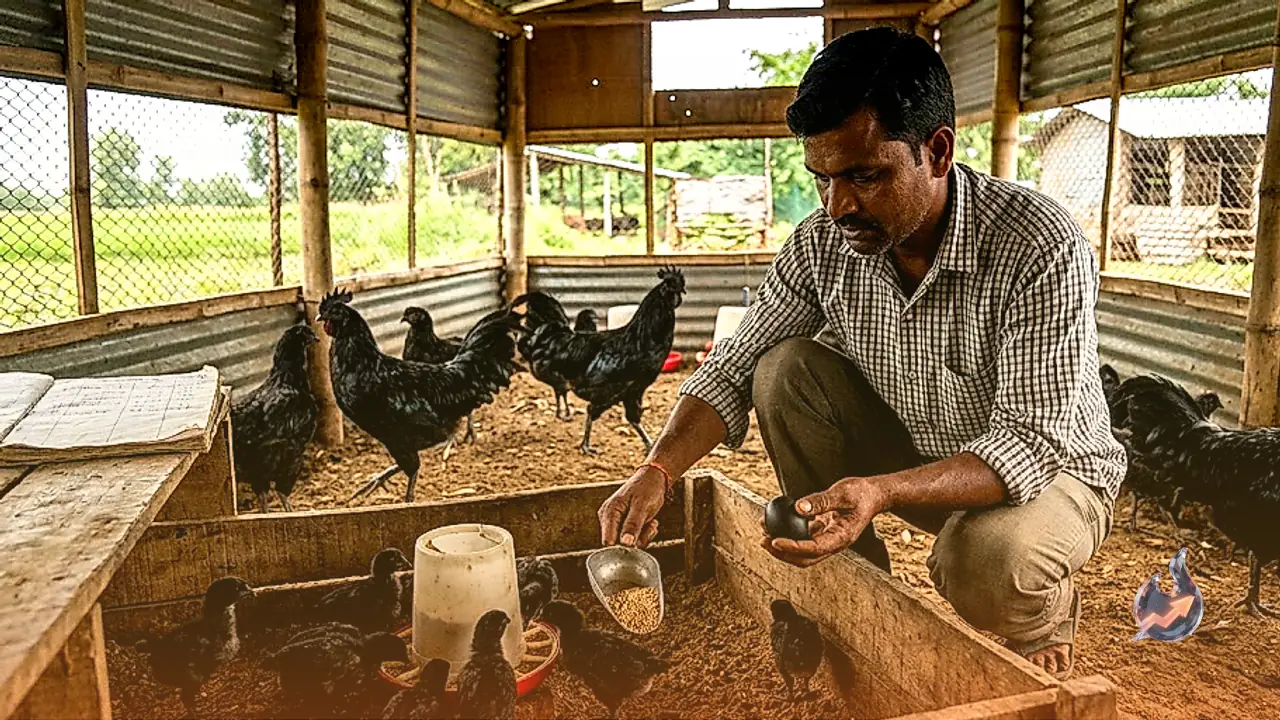
The likelihood of finding a double yolk is notably higher in younger layers. When a pullet begins producing eggs for the very first time, its reproductive system is still adapting to a regular metabolic rhythm. During this developmental adjustment phase, the endocrine signals controlling ovulation can be slightly irregular, prompting the release of two yolks in quick succession.
Age is not the solitary element driving this outcome. The specific breed of the bird, natural biological variations, and the bird's overall laying habits also contribute meaningfully to the pattern. As the young bird matures and its hormonal cycles stabilize into a steady routine, the frequency of dual-yolk eggs drops significantly.
Dietary Safety and Nutritional Profile
A frequent concern among consumers is whether an egg with two yolks is suitable for consumption. If the egg is fresh and has been stored in proper conditions, it carries no inherent toxicity or spoilage. Just like any standard egg, it is safe to eat once thoroughly cooked. Avoiding raw or undercooked preparations remains the sensible standard to prevent the risk of bacterial contamination.
Nutritionally, having two yolks alters the standard profile of the food item. Because the yolk contains the bulk of an egg's fat, fat-soluble vitamins, and caloric density, an egg with two yolks supplies a comparatively larger volume of yolk matter. Consequently, the total calorie and nutrient count rises in proportion to the overall size and structure of the egg.
The Practical Reality of Developing Twin Chicks
In the event that a double-yolk egg undergoes fertilization, both ova hold the theoretical capacity to begin developing into distinct embryos. Nevertheless, it remains exceptionally uncommon for two viable chicks to hatch successfully from a single shell.
The physical constraints within the eggshell create a major barrier to twin development. The interior chamber offers strictly limited space, and the reserves of oxygen, moisture, and vital nutrients are typically insufficient to sustain the complete growth cycle of two expanding embryos simultaneously.