























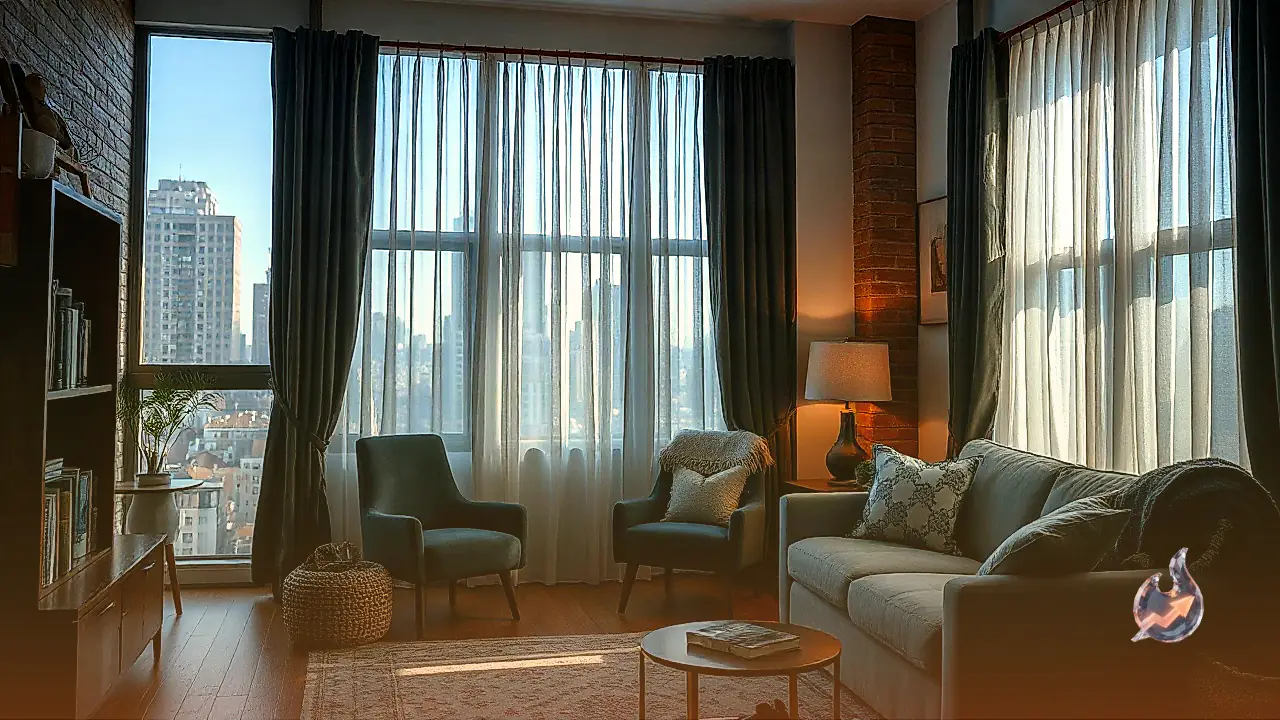

Welcoming a dog or cat into the living space infuses warmth and excitement into everyday life, but it also introduces real maintenance demands for household furnishings. Pet owners frequently grapple with loose fur embedded deep into seating cushions, alongside visible scratch lines left across armchairs and long drapes. Playful pets can also catch their claws in upholstery threads, loosening the weave over time. Addressing these common household realities does not require wrapping every decorative piece in heavy, unattractive protective slips.
Making thoughtful choices during the furniture selection stage and while organizing living zones simplifies ongoing housekeeping while keeping interior decor presentable for years. Focusing attention on seating fabrics, color selections, window treatments, and designated pet resting zones ensures a comfortable home for both occupants and animals.
Selecting the Right Fabric for Sofas and Chairs
When selecting upholstery for homes with companion animals, aesthetic appeal alone should never dictate the choice. The tightness of the textile weave and the ease of surface cleaning must take precedence. Loosely woven textiles permit animal hair to penetrate deeply between the fibers, making extraction difficult, while claws easily catch and pull loose threads to damage the material.
In contrast, tightly woven textiles provide a far more resilient shield against daily friction. Textured cloth and modern performance materials serve as reliable alternatives for active households. Buyers should examine whether accidental spills, dirt marks, or muddy spots can be washed away with minimal effort. Because animals inevitably deposit fur where they frequently lie down, routine vacuuming paired with targeted spot care keeps upholstery fresh without requiring extreme interventions.
Evaluating Colors and Surface Patterns
Beyond material composition, the color palette and pattern layout of upholstery play an equally critical part in daily upkeep. Plain textiles in extreme shades, whether very dark or starkly pale, act like backdrops that highlight stray fur almost immediately. A solid black or pure white sofa often emphasizes every hair shed throughout the day.
Medium-toned shades and subtly patterned textiles offer far greater convenience for everyday living. Small textured weaves and micro-prints visually blend small stray hairs and minor friction marks so they do not dominate the room. This practical aesthetic advantage does not eliminate the need for regular maintenance, but it prevents the living room from appearing untidy between routine cleaning sessions.
Organizing Designated Lounging Spots for Pets
If a pet prefers lingering near a specific armchair, corner sofa, or room alcove, keeping breakable display items away from that immediate perimeter prevents accidental breakages. When animals leap up or stretch out, reducing nearby clutter cuts down the risk of falling objects or damaged items.
Positioning a dedicated pet cushion, mat, or soft bed right in that preferred spot offers an effective way to protect the surrounding furniture. Establishing a personalized, cozy territory gives the animal a reliable sense of security while naturally minimizing the hours spent lying directly across main family seating.
Managing Window Drapes and Hanging Fabrics
Drapes and hanging textiles also encounter persistent fur accumulation and paw marks. Curtains that extend all the way down to pool on the floor are particularly vulnerable to claw snagging and play-fighting pets. When running through rooms, dogs and cats often run behind or swat at long fabric edges.
Choosing sturdy, washable curtain materials tailored to a length that floats slightly above the flooring reduces direct contact. Keeping hanging edges free from ground friction deters animals from tugging at the panels. Arranging room layouts around the daily walking paths of your companions ensures durable decor alongside a tidy, stress-free household.