























Fasting days often leave home cooks constrained by a repetitive culinary rotation. Having sabudana khichdi, fried tapioca cutlets, or simple boiled potato preparations over consecutive days can quickly become monotonous. Introducing a dish that offers a contrasting texture, crisp and roasted on the outside yet airy and soft on the inside, completely changes the dining experience during a fast. Handvo, traditionally a savoury Gujarati baked lentil and rice cake, can be adapted effortlessly for religious fasting. By utilizing barnyard millet, also known as sama rice, and tapioca pearls as the structural base, one can craft an appetizing dish enriched with grated vegetables, crunchy peanuts, and an aromatic tempering of cumin and sesame seeds.
Creating a Coarse Base Using Barnyard Millet and Tapioca Pearls
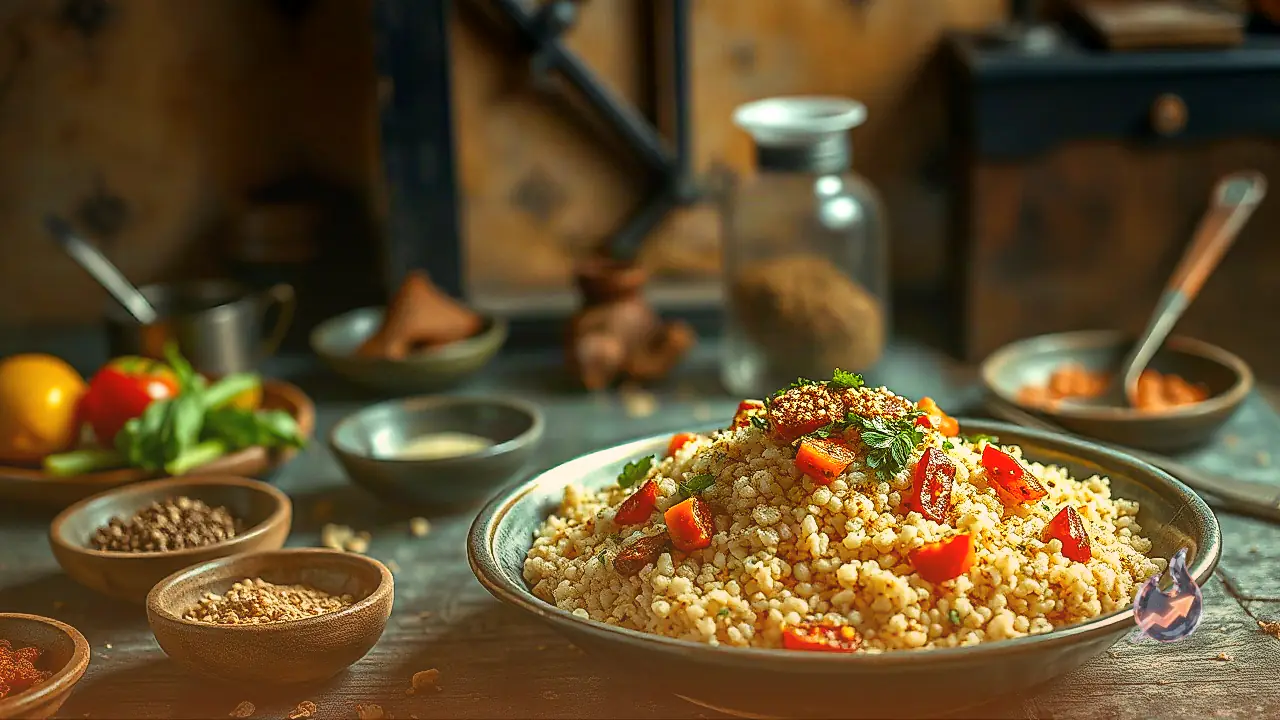
The texture of a farali handvo depends entirely on the initial grinding process and the ratio of dry grains. To prepare the foundation, take 1 cup of barnyard millet alongside 1/4 cup of tapioca pearls. Transfer both dry ingredients into a mixer jar and grind them coarsely. It is crucial not to turn this mixture into a fine powder or flour; retaining a granular consistency similar to semolina gives the final dish its signature structure and prevents it from turning gummy when cooked.
Transfer this coarse dry mixture into a wide mixing bowl. Pour in 1 cup of fresh plain curd and add rock salt according to taste preference. The natural lactic acid in the curd helps soften the coarse grains while contributing a mild tang. Whisk everything thoroughly using a spoon to ensure no dry lumps remain. Once fully blended, set the bowl aside and allow the mixture to rest for a few minutes. During this hydration phase, the ground tapioca pearls and millet soak up the moisture from the curd, causing the batter to swell and thicken properly.
Blending Fresh Farali Green Chutney as an Accompaniment
A spicy and tangy herbal dip provides the perfect counterpoint to the warm, nutty notes of the handvo. While the batter rests, prepare the accompanying green chutney in a small blender. Combine fresh coriander leaves, 2 to 3 whole green chillies, 2 tablespoons of roasted peanuts, 1 tablespoon of plain curd, and rock salt to taste. Add a minimal splash of water to facilitate smooth grinding and pulse into a vibrant paste.
Adding roasted peanuts serves a practical culinary purpose by lending thickness, body, and a rich creamy mouthfeel to the chutney without the need for non-fasting thickeners. The curd provides stability and balances the sharp heat of the fresh chillies. This chutney requires no cooking and can be served immediately alongside the freshly cooked handvo.
Enriching the Batter with Grated Vegetables and Peanuts
Once the grain mixture has hydrated, remove the cover and give the batter another good stir. To introduce freshness, natural moisture, and texture, add 1 grated raw potato and 1 grated carrot to the bowl. Follow this with finely chopped fresh coriander leaves, a ginger and green chilli paste, and coarsely crushed roasted peanuts. The peanuts introduce a satisfying crunch in every bite, while the vegetables ensure that the dense grain batter remains tender throughout the cooking process.
Mix all the incorporated elements thoroughly so the vegetables are evenly distributed. Just before moving to the stove, add a single pinch of baking soda into the batter and stir gently in one direction. The baking soda reacts with the acidic curd to produce small air pockets, ensuring the interior stays fluffy. Check the consistency of the batter; it should resemble a standard thick pancake mixture. If it appears excessively dense, add a small splash of water until the right spreading texture is achieved.
Tempering with Cumin and White Sesame Seeds on Low Flame
The hallmark of an authentic handvo is its crunchy, toasted exterior achieved through aromatic tempering. Place a quality non-stick skillet or shallow pan over medium heat and warm a small quantity of cooking oil or clarified butter. Once the oil reaches frying temperature, introduce approximately half a teaspoon of cumin seeds and 1 teaspoon of white sesame seeds directly into the hot fat. As soon as the sesame seeds crackle and the cumin releases its fragrance, reduce the flame to low.
Spoon a generous portion of the prepared batter into the center of the pan, spreading it outward into a neat, round disc of even thickness. Cover the pan securely with a lid and let it cook undisturbed over low heat for about 2 to 3 minutes. Maintaining low heat is vital, as the steam trapped under the lid gently cooks the raw grated potato, carrot, and coarse millet all the way to the core. Increasing the temperature hastily will cause the sesame seeds and the bottom crust to brown prematurely while leaving the inside raw and doughy.
Flipping and Serving the Finished Preparation
After two to three minutes, remove the lid to inspect the handvo. The outer edges should look set and separate easily from the sides of the pan, the bottom should be a crisp golden brown, and the top surface should appear matte and slightly dry. Carefully slide a wide spatula underneath the disc and flip it over. Allow the second side to cook uncovered or lightly covered for approximately 1 minute.
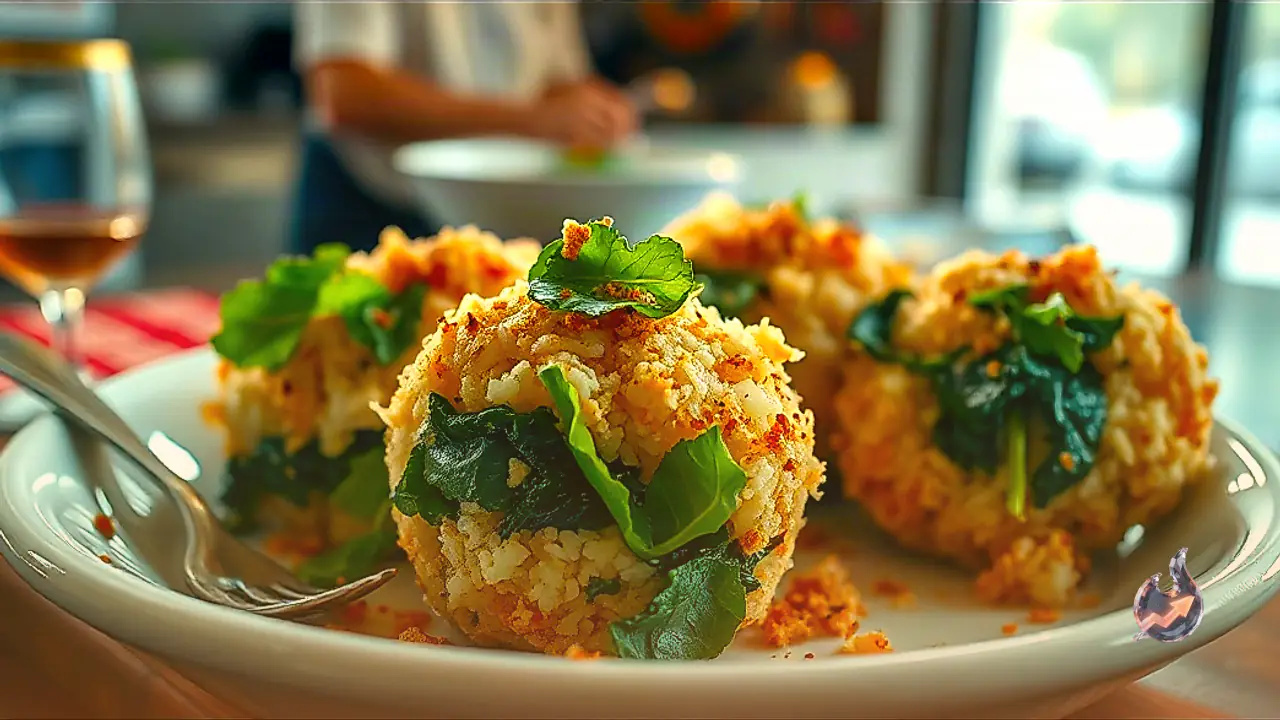
Once both sides are adequately toasted, the handvo will display a golden crust speckled with roasted sesame and cumin, encasing a steaming, tender vegetable interior. Transfer the finished handvo onto a flat serving board or plate. It can be portioned into wedges or bite-sized squares and enjoyed immediately while warm, served alongside the homemade farali green chutney.