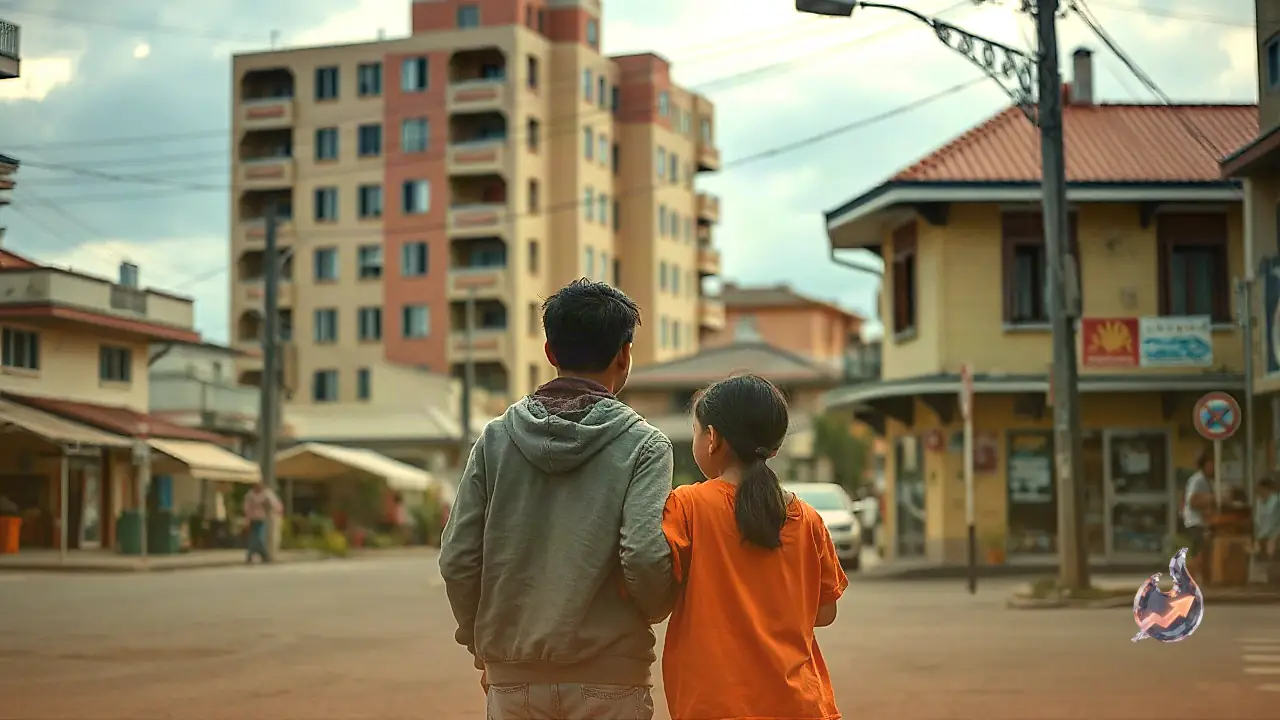
























When a young child sits quietly for a few minutes without holding a smartphone, a television remote, or a plastic toy, many parents instinctively step in to ask if they are getting bored. Yet, perspectives on unscheduled time in early childhood are undergoing a steady shift. In earlier generations, sitting idly was an entirely normal rhythm of household life. Children spent uninterrupted hours lounging on rooftops, exploring neighborhood alleys, or daydreaming without any formal agenda.
In sharp contrast, modern childhood routines are packed wall-to-wall with academic schedules, homework, extracurricular coaching, digital screens, and structured activities. In response to this hyper-organized lifestyle, a growing number of thoughtful parents are deliberately stepping back. Instead of orchestrating every waking hour, they are choosing to let their children sit in quiet pauses, navigate normal boredom, and discover how to fill their own hours.
Stepping Away From The Compulsion Of Constant Productivity
For decades, popular parenting wisdom has treated constant busyness as the ultimate benchmark of productive child development. A school day is quickly followed by supplementary coaching, organized sports, permitted screen intervals, or pre-planned creative tasks. This relentless structure reassures parents that their child's time is being utilized effectively rather than wasted.
Filling every single gap in the day is neither healthy nor necessary. When children are not handed a predetermined assignment, they naturally turn their attention outward toward their physical environment. They begin observing their surroundings, reflecting independently, and inventing play on their own terms. Without external guidance, a child might transform sofa cushions into an imaginative fortress, pick up paper to sketch, or invent an original story entirely from scratch.
It is equally important to recognize that unscheduled time does not always have to culminate in an elaborate masterpiece. Sometimes a child simply stares out the window watching the street, or rests quietly on the floor. This peaceful stillness is a natural, healthy component of growing up.
Resisting The Urge To Hand Out Immediate Entertainment
The moment a child announces that they have nothing to do, parents frequently rush in with convenient diversions. Common responses include suggesting a television cartoon, handing over a smartphone, or pulling out an expensive playset. Over time, offering an instant fix teaches children to depend entirely on external stimulation whenever they encounter an empty moment.
When a child complains of being unoccupied, parents can gently turn the question back toward them and ask what they would like to do. If the child genuinely cannot decide, parents can quietly make simple open-ended supplies accessible. Items such as drawing sheets, colored pencils, building blocks, books, or empty cardboard boxes work wonders. Once these raw materials are available, the initiative to create or play should come entirely from the child.
This approach does not mean leaving young children unattended or ignoring basic safety. Depending on the child's age and developmental needs, adult supervision remains essential. The core objective is simply to relieve parents of the exhausting burden of acting as continuous full-time entertainers.
Unscheduled Hours Help Reveal Genuine Passions
Children do not arrive with pre-set hobbies or fully formed interests. In fact, they rarely know what they genuinely enjoy until they are given the freedom to experiment. Unstructured free time serves as an open laboratory for personal discovery.
For instance, one child might take a toy apart simply to figure out the mechanical joints inside. Another might spend an hour sketching detailed patterns on plain paper. Some find deep joy in inventing dramatic oral stories, while others take quiet satisfaction in watering household plants. When a child's day is freed from rigid timetables, these organic preferences and hidden talents naturally rise to the surface.
In this dynamic, the parent's role shifts from a directing supervisor to an attentive observer. By watching what a child gravitates toward when left to their own devices, parents gain invaluable insight into their child's authentic personality, patience, and emerging curiosities.
The Value Of Stillness In An Era Of Digital Overload
Digital screens have become the easiest default answer for occupied parents trying to calm an unsettled child. Whenever restlessness surfaces, launching a digital video or an interactive game seems like the quickest path to peace. Relying continuously on digital screens to neutralize boredom, however, leaves children unable to tolerate quiet moments without electronic stimulation.
To counter this reliance, families can cultivate specific windows of time where digital devices are completely set aside. During these stretches, children can engage in self-directed play or simply sit quietly without receiving a new stimulus every few minutes. Parents can also give themselves permission to step back, offering children the emotional and physical independence to manage their own downtime.
Parents must recalibrate their own expectations about childhood productivity. A child experiencing moments of boredom is not experiencing a crisis or falling behind. It simply means they have a momentary blank canvas in front of them. Allowing that blank space to remain unhurried is one of the most rewarding and grounded choices modern parents can make.