























Decorating courtyards, balconies, and backyard gardens with lush greenery is common, yet the structural nature of certain plants can inadvertently draw crawling reptiles. Snakes naturally look for quiet, shaded environments that provide continuous dampness, concealment, and an effortless path to hunt prey. Because of these natural habits, selecting and maintaining domestic greenery requires careful attention to how plants grow and develop over time.
Dense Branching and Low Moisture Create Sheltered Hiding Spots
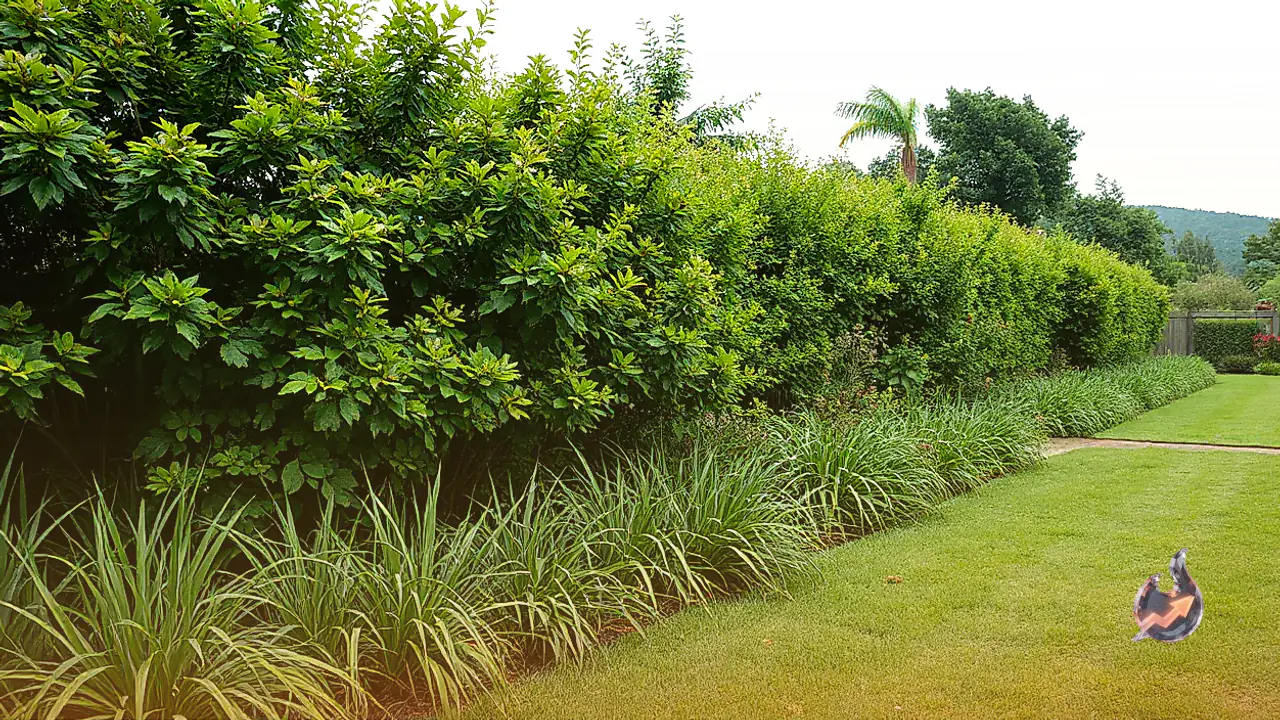
Plants with heavily clustered branches and thick foliage block natural sunlight from reaching the soil surface. This constant shade preserves dampness and gloom around the roots. If homeowners neglect seasonal pruning, a crowded canopy develops right above the ground, forming an ideal concealed pocket. Snakes frequently make temporary shelters inside such untouched, dark vegetation. For this reason, bushes and shrubs planted near front doors, ground-floor windows, and primary walkways must never be allowed to grow excessively bushy.
Uncut Tall Grass and Wild Growth Encourage Prey Gathering
Overgrown lawns and disorderly garden shrubs offer an unbroken blanket of cover for moving reptiles. More importantly, tall grass fosters a thriving habitat for rodents, frogs, and lizards, which serve as primary food sources for snakes. When prey species flourish within unmanaged garden corners, predatory snakes follow naturally in pursuit of a meal. Keeping the lawn neatly trimmed and frequently cleaning the perimeter removes this camouflage and discourages prey animals from settling in the yard.
Jasmine Shrubs Demand Vigilant Trimming Around the Base
Jasmine is admired in home gardens for its striking blossoms and pleasant fragrance. However, when allowed to expand unchecked along the soil, its low-lying stems form a tightly woven mat that reptiles can easily crawl beneath. The presence of jasmine flowers also draws numerous insects, which subsequently attract small frogs and lizards. This steady prey supply makes the base of the plant an attractive hunting territory for snakes. Gardeners should prune jasmine regularly to maintain airflow underneath and keep the ground thoroughly exposed.
Managing the Rapid Spread and Ground Moisture of Sadabahar
The Sadabahar plant spreads quickly across garden beds, weaving a dense layer of leaves close to the dirt. When regular irrigation keeps the shaded ground damp beneath this leafy roof, combined with decomposing fallen leaves, the microclimate becomes comfortable for resting snakes. Mitigating this risk requires clearing dry leaf litter from the base of Sadabahar clusters and trimming surplus growth to let sunlight dry the surface soil.
Large-Leaf Ornamental Varieties Need Clear Ground Clearance
Ornamental plants featuring broad, dramatic leaves add visual elegance to landscapes, but their expansive foliage frequently droops down to ground level. As shed leaves gather in heaps under these wide canopies, secluded chambers form beneath the foliage. Regularly raking away dried debris and pruning bottom leaves ensures clear visibility, eliminating hidden spaces where dangerous reptiles might seek cover undetected.