























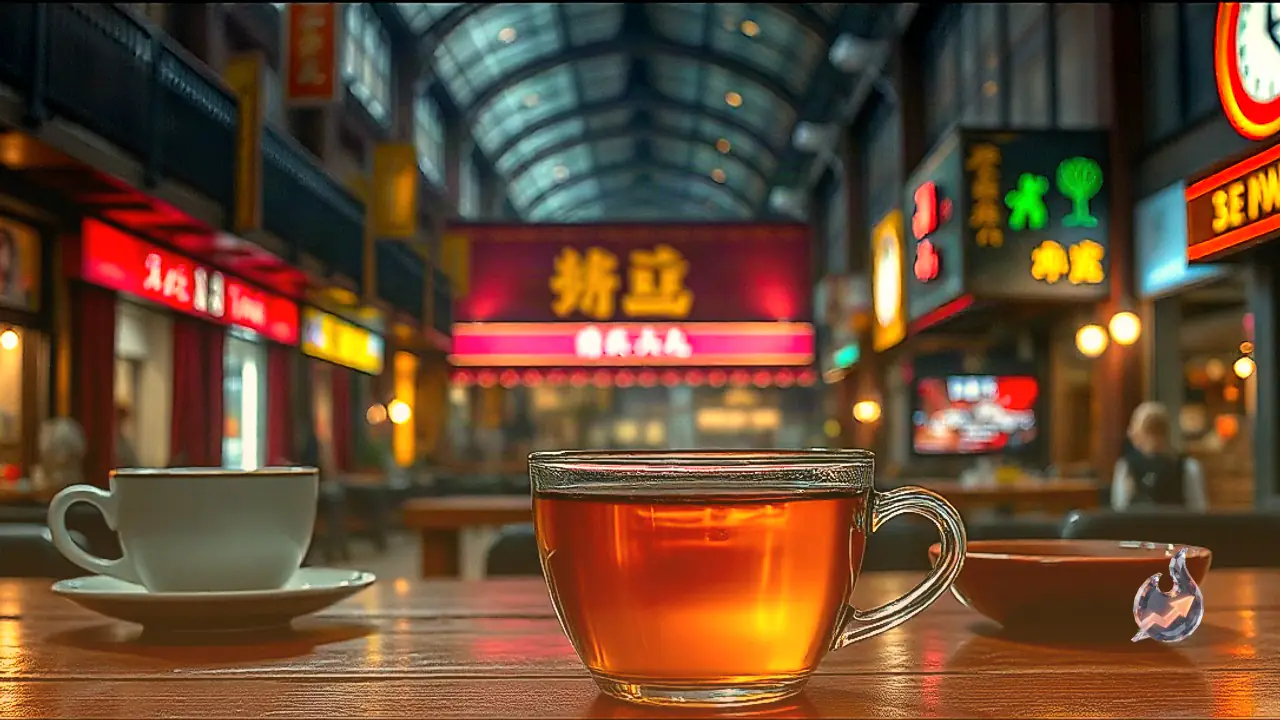

Have you ever noticed that the exact same tea, prepared with identical milk, sugar, and ginger, can taste slightly different when poured into a different cup? In many households, people naturally gravitate toward a specific favorite mug for their daily brew. The reason goes far beyond a pretty design or color; it involves the fascinating workings of our human brain. Eating and drinking experiences are never limited to the tongue alone, as they incorporate aroma, temperature, cup shape, visual color, and personal memories associated with the moment.
The Connection Between Cups and Taste
This subtle dynamic makes food psychology so intriguing. When it comes to tea, this effect is easily noticeable because a cup of tea is deeply tied to our daily routines, moods, and habits. However, does a cup genuinely alter the chemical composition of the beverage, or does our brain simply perceive the flavor differently? To understand this, a simple kitchen experiment can be tried at home. Pour the exact same tea into two different vessels, perhaps a short, thick mug first and then a tall or wide cup. Many individuals will experience a distinct difference in the tea from both containers, even though the liquid came from the exact same pot.
How Color and Shape Shape Perception
The color of the cup can also sway our expectations. Seeing a brightly colored vessel prompts the brain to form an immediate expectation, whereas a white or light-colored cup displays the true color and surface of the tea much more clearly. This initial expectation ultimately influences the subsequent flavor experience. For instance, if your favorite tea is always served in a blue mug, seeing that same mug after a few days can trigger a familiar mental sensation that it is time to relax. In such instances, the cup ceases to be a mere utensil and transforms into a psychological cue, making the tea taste even better.
The shape of the vessel also introduces subtle yet interesting shifts in perception. A tall, slender cup changes how temperature and aroma reach the senses compared to a wide bowl. Meanwhile, a mug with a thick handle often feels much more comfortable to hold in the hand. Temperature is critically important when consuming hot beverages like tea. If a vessel retains heat for a longer duration, the experience of every single sip changes. Conversely, a thin-walled cup allows the tea to cool down relatively faster.
Aroma and Memories Complete the Experience
The tongue is not the only organ at work while drinking tea, as its aroma forms a major part of the overall experience. Whether the rim of the cup is wide or narrow alters how steam and fragrance travel toward the nose. This distinction becomes even more apparent in teas infused with ginger, cardamom, or various spices. This explains why an ordinary cup of tea at home can sometimes deliver greater satisfaction when sipped from a cherished mug, blending the actual taste with surrounding ambiance and fond memories. Calling this entirely an illusion would be inaccurate; while the cup does not alter the fundamental ingredients of the tea, our brain merges taste, aroma, temperature, and visual signals together to construct the complete sensory experience.