
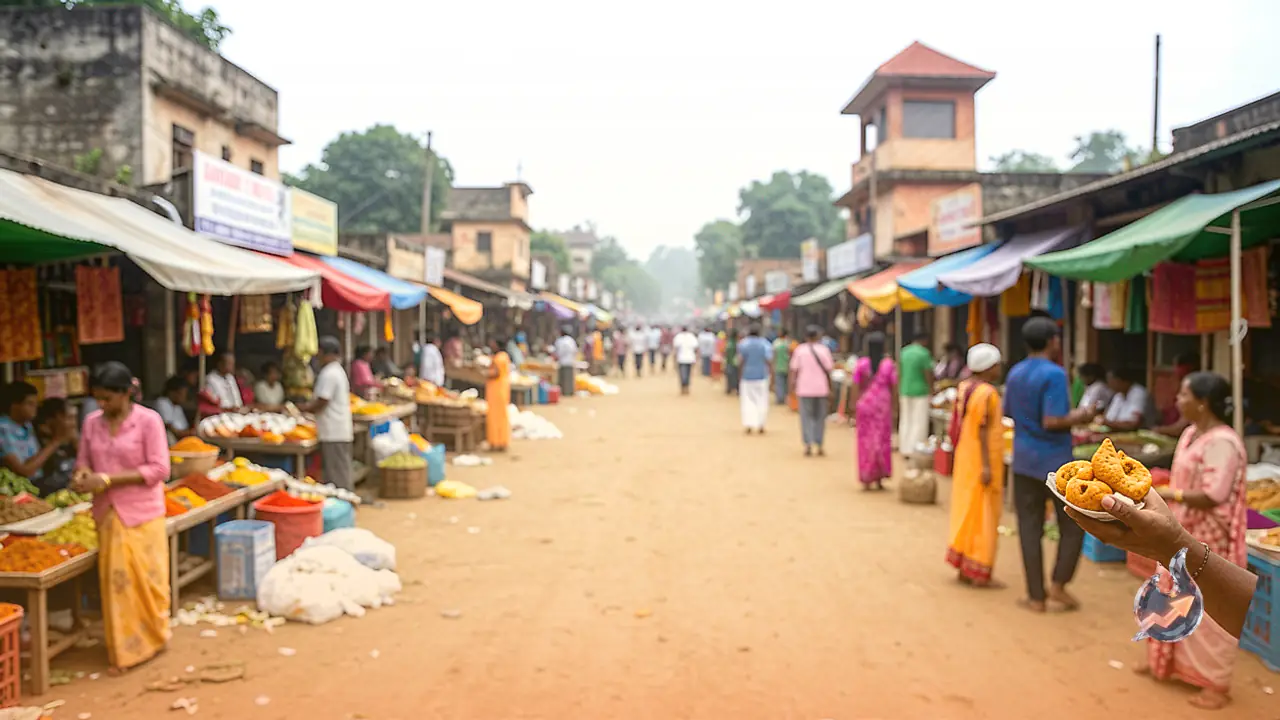















When Dussehra arrives in India, images of towering effigies of Ravana, vibrant Ramleela performances, and crowded local fairs immediately come to mind. However, across the border in Nepal, the very same festival takes on a distinctly different and deeply personal hue. Known there as Dashain, the celebration is not confined to a single day of spectacle; rather, it unfolds as an extended festival dedicated to family reunions, receiving blessings from elders, and worshipping the goddess Durga. A defining feature of Dashain is the tradition of applying a red tika to the forehead and offering jamara as a mark of grace and good fortune.
What Are the Differences Between Dashain in Nepal and Dussehra in India?
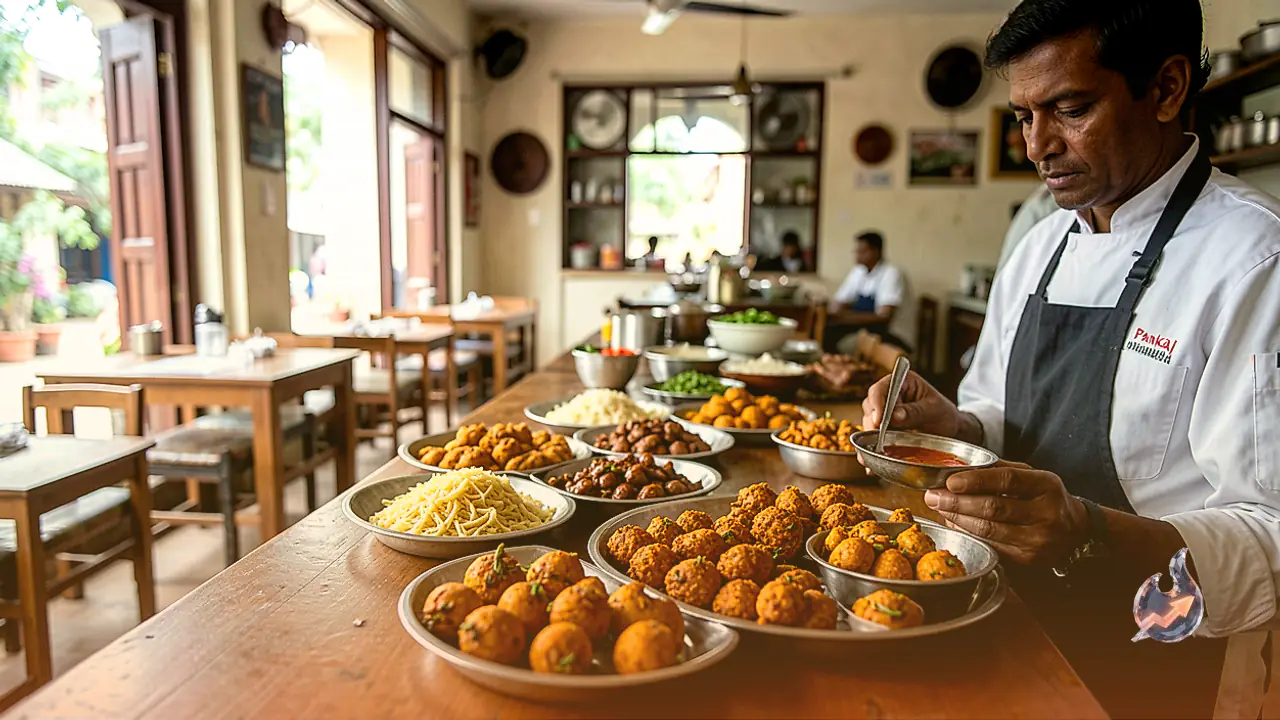
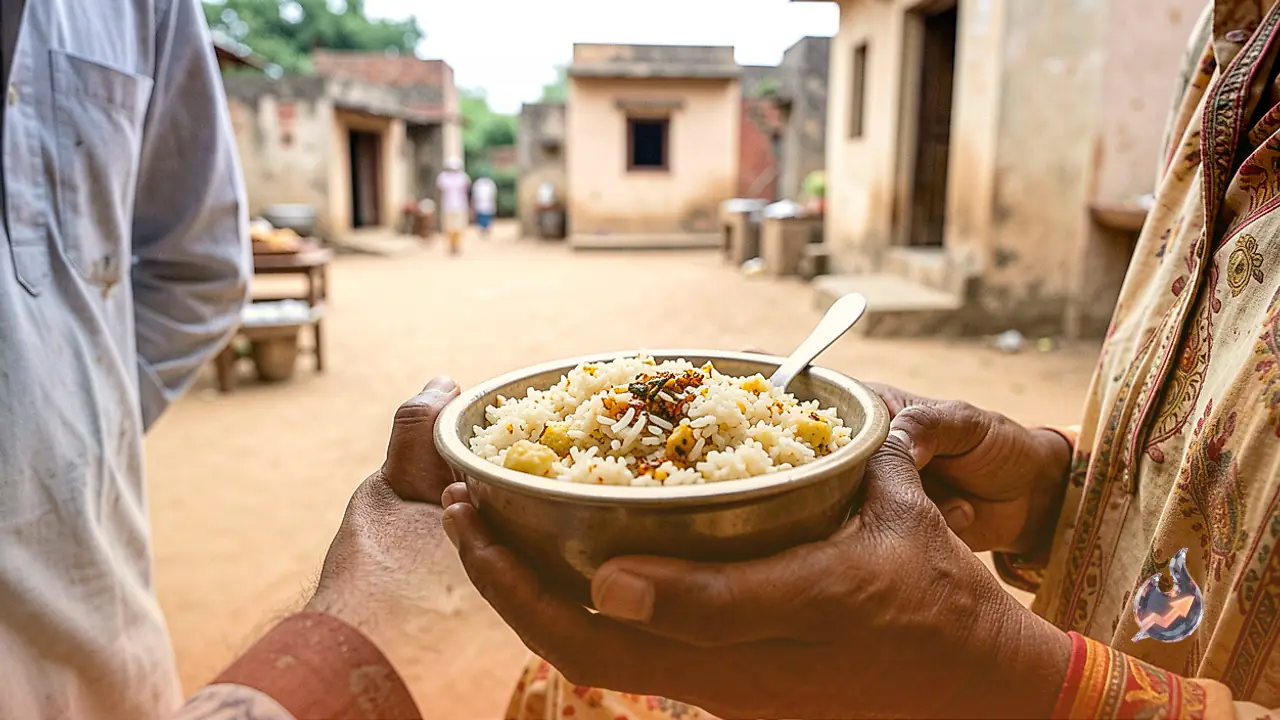
In Nepal, Dashain ranks among the most significant annual festivals, stretching across numerous days starting with Ghatasthapana. Throughout this period, devotees offer prayers to goddess Durga, observing specific sacred occasions such as Phulpati, Maha Ashtami, and Mahanavami along the way. The emotional peak of Dashain occurs on Vijaya Dashami itself, when younger family members visit their elders to seek blessings. The elders apply a red tika on their foreheads and hand over jamara, which are tender green shoots of barley or other grains considered highly auspicious during the holiday. Gathering together under one roof, putting on new clothes, and sharing large family meals form an indispensable part of the Nepalese celebration.
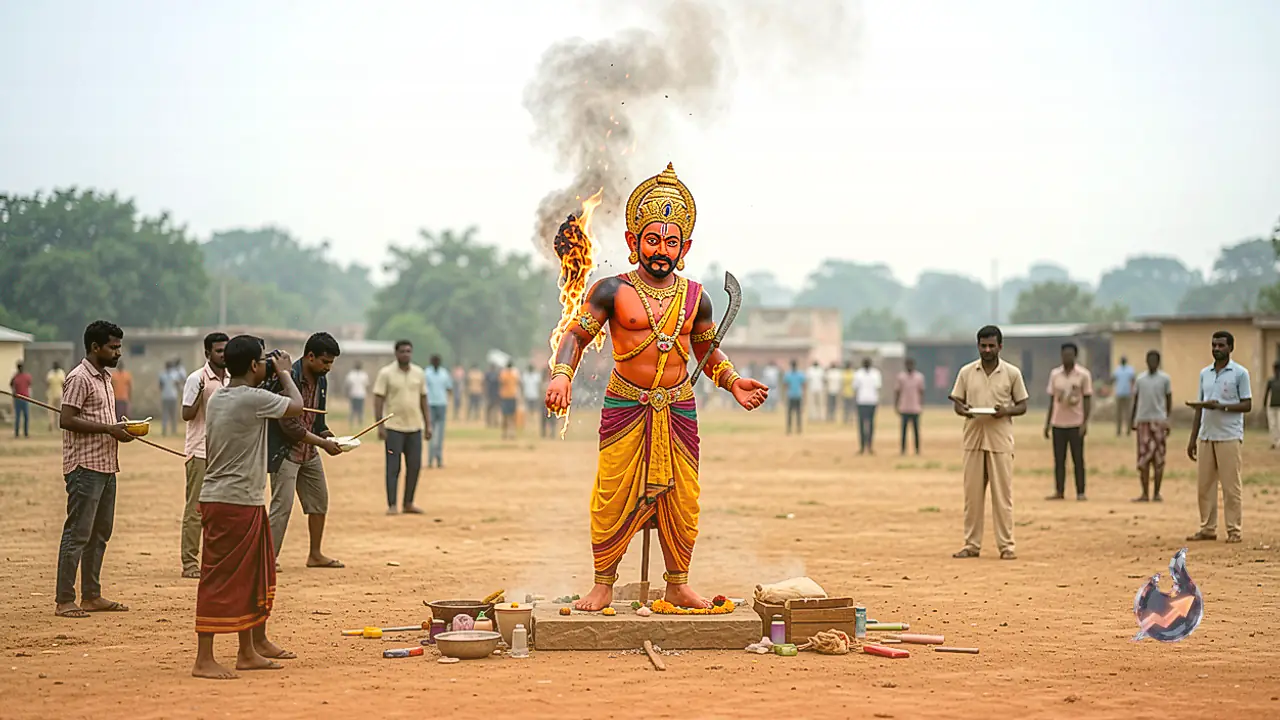
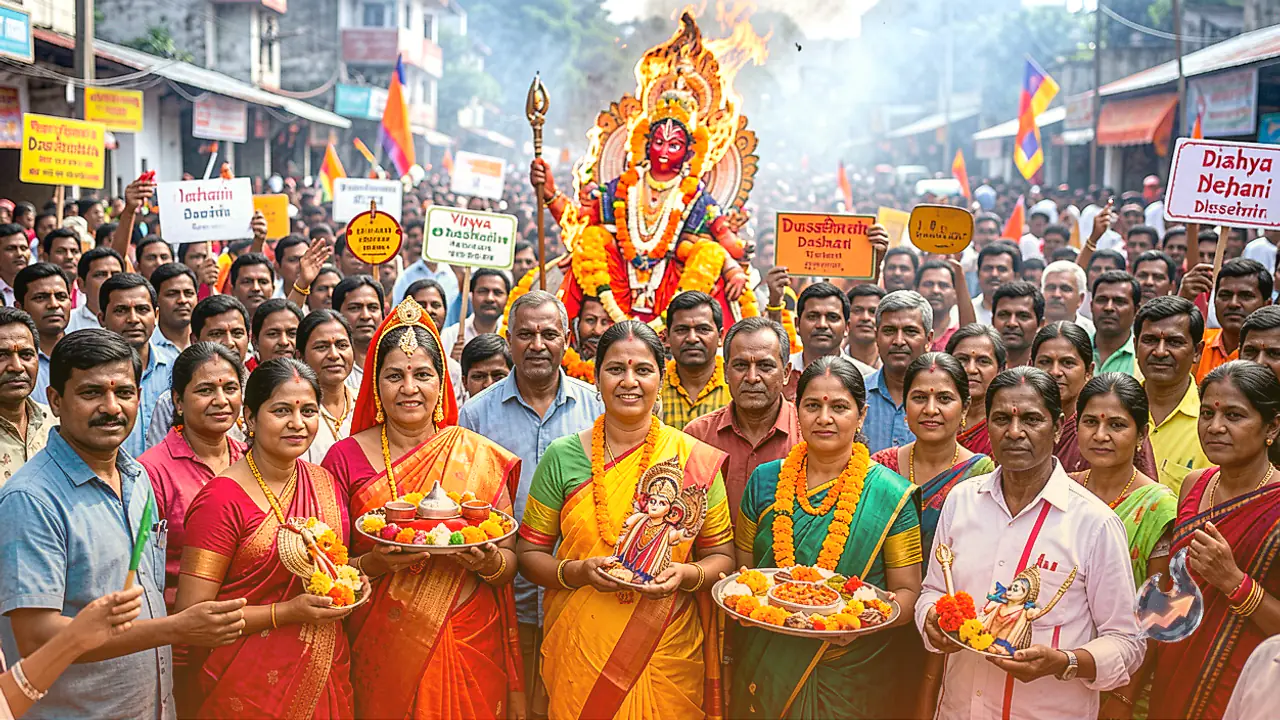
In contrast, the most popular imagery associated with Dussehra in India revolves around Ramleela and the burning of effigies. Across countless towns and cities, dramatic enactments of the Ramayana are staged throughout the Navratri period. On Vijaya Dashami, massive effigies of Ravana, Kumbhakarna, and Meghnada are set ablaze, symbolizing the triumph of good over evil. Yet, Dussehra is not celebrated in a uniform manner across all of India. In West Bengal, Vijaya Dashami marks the culmination of Durga Puja, whereas locations like Mysuru in Karnataka and Kullu in Himachal Pradesh feature distinctive royal processions and unique local festivities. Chhattisgarh's Bastar region celebrates Dussehra through age-old indigenous traditions where burning effigies is not the primary event. Thus, even within India, the festival wears many different regional colors.
Why Did the Traditions Diverge in the Two Countries?
The divergence in how this festival is celebrated stems from a combination of local cultural evolution, historical contexts, and distinct regional interpretations of shared religious beliefs. Both Dashain and Dussehra share a foundational reverence for goddess Durga and the overarching significance of Vijaya Dashami, but communities over time developed customs that suited their immediate environments. In Nepal, the primary emphasis settled heavily on devotion to Durga, strengthening familial ties, and receiving blessings from senior relatives. In many parts of India, meanwhile, the narrative of Lord Rama defeating Ravana took center stage through public theatricals and effigy burning, while other regions focus heavily on Durga's victory over Mahishasura. Consequently, viewing these as entirely separate festivals would be inaccurate, as they share core spiritual values while expressing them through localized cultural lenses.
What Is the Core Message of Dashain and Dussehra?
Despite the variation in rituals, the festival in both nations serves as a powerful testament to faith, family bonds, and fresh beginnings. In Nepal, the tradition of tika and jamara highlights the enduring value of kinship and respect, while in India, Ramleela and the defeat of Ravana reinforce the timeless moral that righteousness ultimately prevails. Each tradition preserves its own unique cultural identity while championing the same universal human ideals.