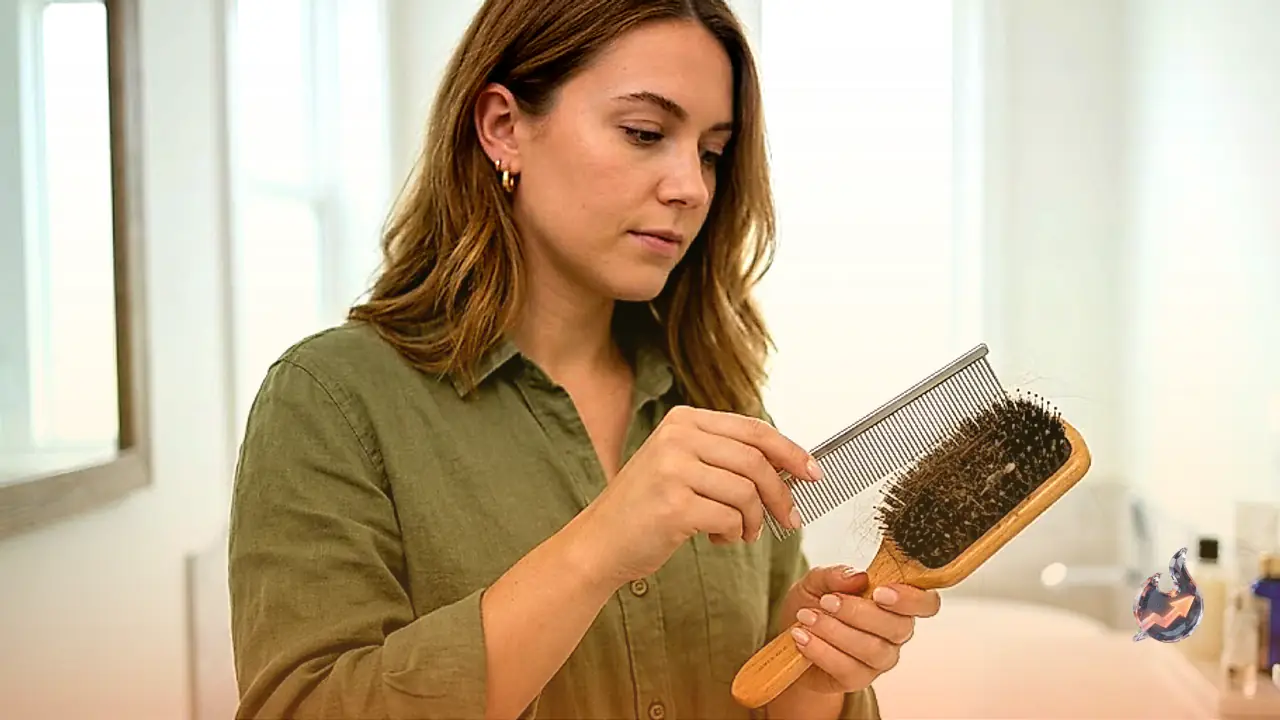























Whether it is to beat the harsh sun, stay cool during summers, or complete a stylish outfit, wearing a cap has become a part of everyday life for many people. However, whenever someone takes off their cap and notices a few stray strands of hair inside it, a common worry pops up about whether headwear causes hair loss. Social media platforms have long circulated claims that keeping the head covered for extended periods cuts off airflow to the hair and triggers shedding.
Does Wearing a Cap Directly Cause Hair Fall
The situation is not as straightforward as it seems, because hair thinning can be linked to a multitude of factors, and blaming caps alone is not accurate. Generally speaking, wearing a normal cap in the right way does not trigger hair loss. Caps do not damage hair roots directly to the extent that it causes immediate shedding, and if someone wears a comfortable and clean cap for a few hours a day, it usually does not create major hair fall issues. Trouble often arises when a cap is excessively tight. Constant pressure on the head can pull on the strands and increase friction on the scalp. Similarly, keeping a sweat-soaked cap on for a long duration is also far from ideal.
Sweat and Dirt Can Lead to Scalp Complications
It is common for sweat to accumulate inside headwear during warm weather, and if caps are worn repeatedly without washing, they gather oils, perspiration, and grime. This buildup can increase problems like itching, irritation, or dandruff on the scalp. For instance, if someone goes to the gym in the morning and spends hours afterward wearing that exact sweat-drenched cap, the real issue here is the hygiene and usage pattern rather than the cap itself. Keeping the scalp clean becomes much more crucial under such circumstances.
Important Points to Keep in Mind While Wearing Caps
If you enjoy wearing headwear, there is no need to abandon it completely, as you only need to pay attention to a few simple habits. First of all, choose caps that do not feel overly tight on your head. If wearing a cap causes headaches, pulling sensations, or ongoing discomfort, reduce its usage. Secondly, maintain cleanliness by washing your caps regularly, especially if you sweat frequently. Keeping a cap on wet or heavily perspired hair for a long time is also considered a bad practice. When stepping out into the sun, caps actually help protect your head from ultraviolet rays, so there is no need to stop wearing them solely out of the fear of hair fall.
Other Underlying Reasons for Continuous Hair Shedding
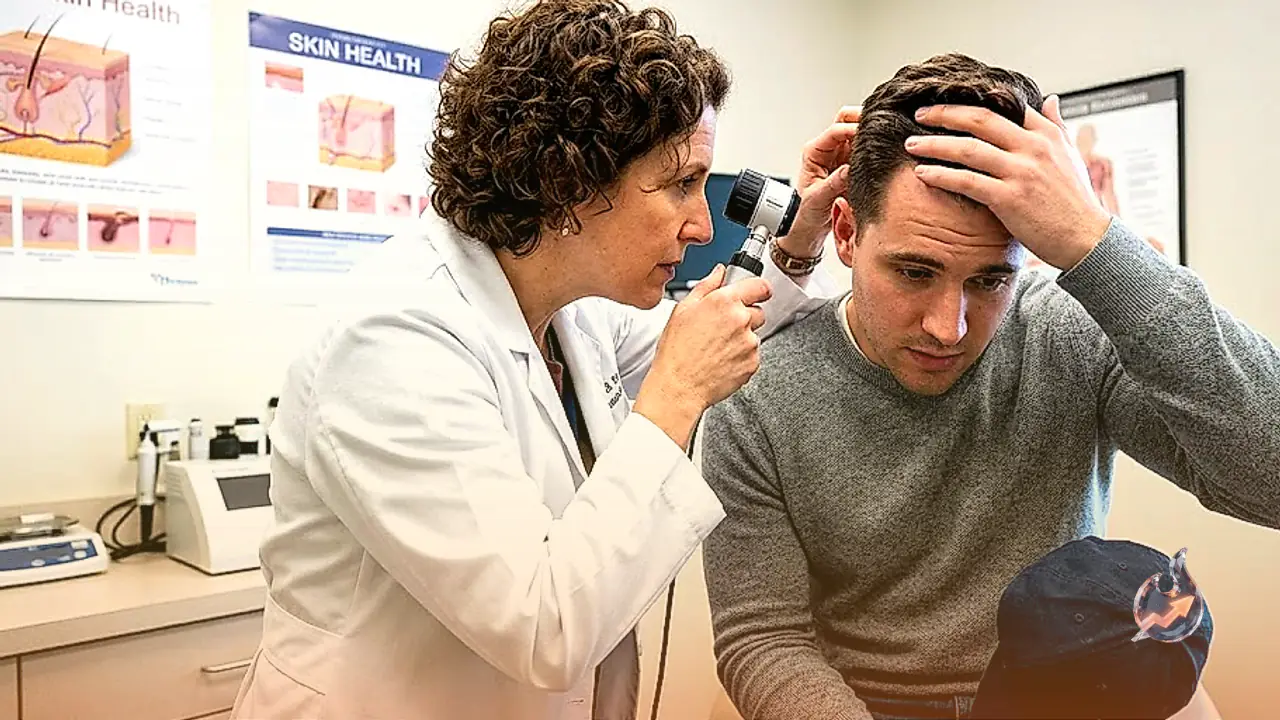
If your hair is falling out continuously, your parting appears wider, or hair density is decreasing in a specific area of the head, blaming the cap alone is not correct. Stress, lack of sleep, nutritional deficiencies, hormonal fluctuations, genetic factors, and various scalp conditions can all be closely linked to hair fall. If an unusually high amount of hair falls out every day, or if hair shedding is accompanied by scalp itching, redness, flaking, or sores, consulting a dermatologist is the best course of action. Identifying the root cause in time makes proper hair care much easier.