























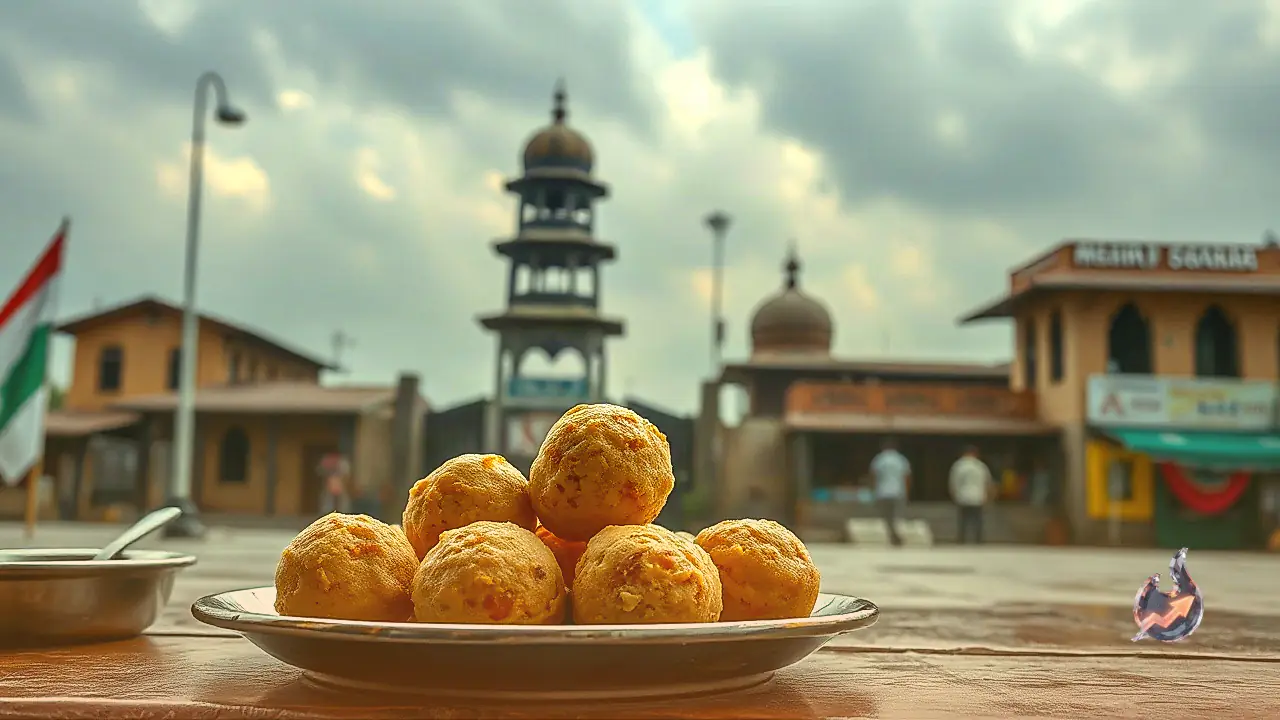

When discussing popular South Indian breakfast items, medu vadas certainly claim a top spot. A golden and crunchy crust on the outside paired with a soft and fluffy texture on the inside defines a truly well-made vada. However, replicating this perfection at home often presents a challenge. Sometimes, despite having a seemingly good batter, the vadas end up soaking too much oil, while on other occasions, they turn out too rigid to enjoy. In such situations, a traditional kitchen trick can prove quite helpful.
The Hot Oil Hack and Batter Preparation
According to a popular cooking tip shared by food creators, adding a small amount of hot oil into the vada batter helps achieve a better crispy texture after frying. However, simply pouring oil into the mix is not enough, as the quantity and the consistency of the batter matter equally. Traditionally, urad dal is soaked and ground finely to make the base. Salt, green chilies, ginger, curry leaves, and other preferred spices are mixed into it. Following this, adding a small measure of warm oil and whipping the batter thoroughly forms a key part of the process.
Correct Measurements and Consistency
Maintaining the right proportion is essential in this method. Roughly 1 to 2 spoonfuls of hot oil are considered sufficient for the entire batch. Adding excessive oil can disrupt the balance of the mixture instead of improving it. After incorporating the oil, the batter must be whipped properly. The consistency should neither be too watery nor too thick to shape. A correct batter feels light and aerated, which contributes directly to the final product's texture.
Managing Oil Temperature and Frying
A common grievance during home preparation is that vadas absorb more oil than necessary. An incorrect oil temperature usually causes this issue. If the oil lacks sufficient heat, the batter stays submerged longer and absorbs excess grease. Conversely, overly hot oil darkens the outer crust too quickly while leaving the center uncooked. Maintaining a medium to medium-high flame keeps the cooking temperature steady. Furthermore, crowding the pan with too many pieces at once causes the oil temperature to drop rapidly, resulting in greasy vadas.
Testing the Batter and Enhancing Flavors
Water should be added gradually while grinding the lentils to avoid thinning the mixture excessively. A running batter makes shaping difficult and ruins the texture during frying. A simple method to test the consistency involves dropping a small portion into water; if it retains its shape momentarily instead of dispersing instantly, the thickness is appropriate. Ingredients like curry leaves, ginger, and green chilies enhance the flavor profile, though keeping the batter uncluttered helps achieve maximum crispiness.