





















Finger millet has earned a prominent place in health-conscious kitchens, yet working with its flour continues to frustrate many home cooks. Dough frequently crumbles under the rolling pin, breaks apart while transferring to the pan, or hardens into a jaw-tiring disc once cooked. Unlike standard wheat flour, millet requires an entirely different culinary approach. Achieving perfectly soft rotis is not about exerting brute force while kneading; it comes down to managing moisture, starch gelatinization, and dough temperature correctly.
The Gluten Factor Behind Crumbly Dough
Wheat flour naturally contains high levels of gluten, the protein complex that imparts elasticity, stretch, and structural integrity. This network allows wheat dough to be rolled out wafer-thin without cracking. Ragi, on the other hand, is completely gluten-free. When mixed with ordinary tap water, the grains fail to bind effectively, resulting in a fragile mixture that fractures as soon as pressure is applied. The simplest solution to this structural hurdle is incorporating boiling water. Introducing extreme heat pre-cooks the starches within the millet flour, activating a natural binder that holds the particles together and yields exceptional suppleness.
Required Ingredients and Proportions
A balanced dough requires accurate measurements to achieve the right texture. Keep these essential items ready before cooking
- Ragi flour: One cup of finely sifted, fresh flour.
- Water: Approximately one cup of clean water.
- Salt: Adjusted to personal taste.
- Ghee or cooking oil: A small amount for kneading smoothly and brushing the finished flatbread.
- Optional seasonings: Finely chopped green chilies or whole cumin seeds if an aromatic, savory profile is preferred.
Step-by-Step Hot Water Preparation
Begin by pouring one cup of water into a wide pan, adding salt to taste, and placing it over high heat. The moment the water reaches a vigorous rolling boil, switch off the heat completely. Gradually introduce one cup of ragi flour into the bubbling water while stirring steadily with a wooden spoon or spatula. Ensure that no stubborn dry clumps or lumps form during this stage. Once the flour absorbs the liquid, cover the vessel tightly with a lid and let the mixture rest undisturbed for about 8 to 10 minutes. This steam resting window is crucial, as residual heat fully softens the flour particles from within.
After the mixture cools to a warm, workable temperature, grease your palms with a few drops of water or oil and begin working the mass. Knead vigorously until the dough becomes silky, cohesive, and pliable. The smoother the finished dough, the fewer tears will appear later. Once a uniform consistency is reached, portion the dough into small, round balls.
Rolling Without Cracking Using Protective Sheets
Attempting to roll gluten-free dough directly on a traditional wooden board dusted with dry flour often leads to sticking and splintering. A reliable workaround involves using two sheets of plastic wrap or parchment paper. Place a portioned dough ball between the lightly greased sheets. Gently flatten it outward using light pressure from a rolling pin or spreading it evenly with your fingertips. This barrier prevents dragging and lets you form uniform, intact circles with neat edges.
Mastering Pan Temperature and Cooking
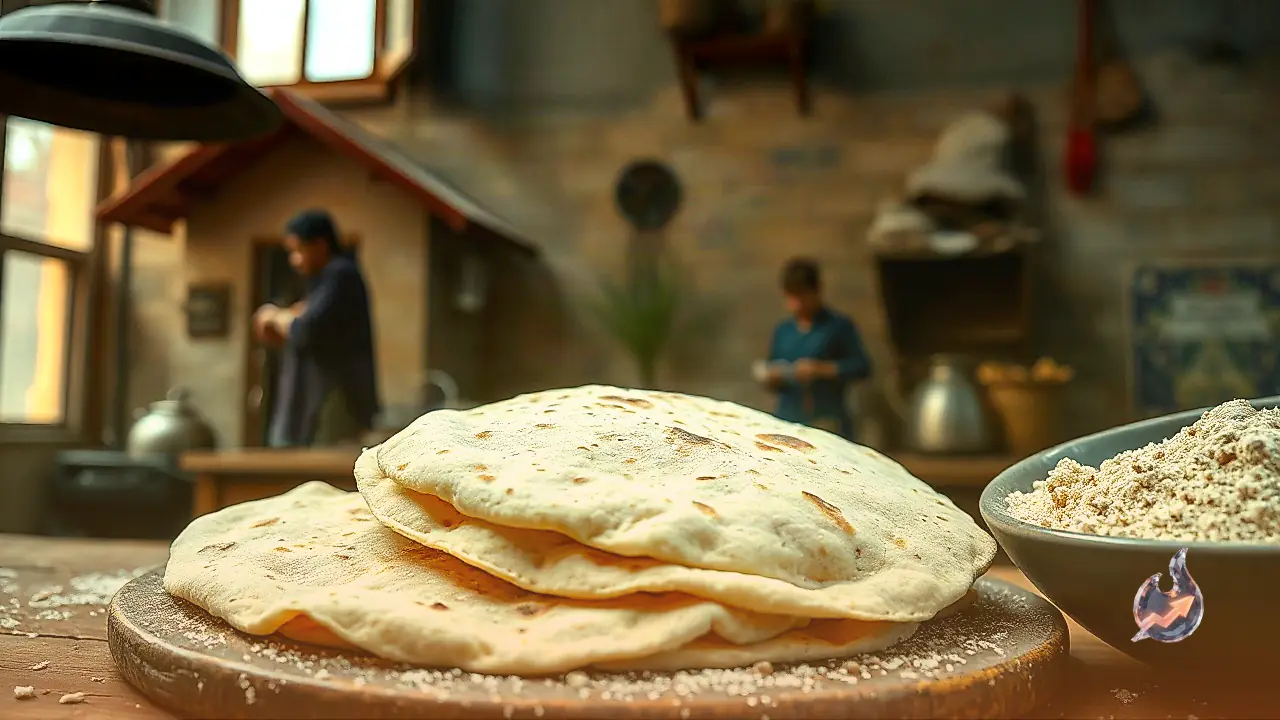
Ensure your griddle or flat pan is preheated over medium heat before cooking begins. Carefully peel the delicate flatbread off the paper and transfer it smoothly onto the hot surface. Allow the base to cook until faint golden spots appear, then flip it over to heat the opposite side. Pressing the edges very gently with a clean cloth or spatula will cause steam to build inside, often causing the roti to puff up dramatically like a balloon. Once both sides are evenly cooked, brush the top surface with a touch of ghee.
Serve these warm breads alongside spiced lentils, rich vegetable curries, thick plain yogurt, or fresh mint chutney. If you intend to eat them later in the day, avoid leaving them exposed to open air. Wrap them inside a clean cotton cloth and place them within an insulated casserole to lock in natural moisture and stop them from drying out.
Rich Nutrition Tailored to Individual Needs
Finger millet delivers valuable nutrition, being naturally loaded with dietary fiber, calcium, and vital micro-minerals. However, ideal portion sizes vary based on personal factors including total daily diet, age, physical activity level, and specific metabolic health requirements. Rather than following a generic consumption quota, flatbread intake should always be balanced according to your own routine and bodily nutritional demands.