



















When bath towels lose their softness, thin out, or become frayed after repeated washes, they are frequently discarded as useless household waste. However, the foundational terry cloth material retains its exceptional moisture-absorbing properties long after its aesthetic appeal has faded. By applying simple cutting, folding, and basic sewing techniques, these fabrics can be revived into functional domestic items, eliminating the need to purchase dedicated disposable products for everyday chores.
From deep kitchen cleaning to cold-weather plant protection and pet hygiene, repurposed towel fabric provides practical utility across multiple rooms. Here are ten functional ways to integrate discarded towels back into active daily routines around the house.
Convert into Multi-Surface Cleaning Rags
The most straightforward method to salvage a worn towel involves cutting it with heavy shears into manageable rectangular or square wipes. These rags work exceptionally well for dusting wooden furniture, tackling liquid spills on hard flooring, and polishing bathroom tiles. Unlike thin synthetic wipes, the looped fibers of terry cloth trap dust particles and rapidly draw in large volumes of moisture. Once soiled, they can simply be laundered with standard detergent and reused indefinitely. For proper hygiene, maintain strictly separated sets of cloths for kitchen surfaces and sanitation areas.
Cut Custom Reusable Pads for Floor Mops
Many modern flat mops feature clamp or velcro heads designed to hold cleaning cloths in place. Rather than continually spending money on single-use disposable pads, households can trace the mop head dimensions onto an old towel and cut custom fabric inserts. The heavy textured cloth grips fine floor grime effectively while soaking up excess wash water, allowing tiled or laminate floors to dry much faster. After finishing the chore, these cloth pieces can be tossed directly into the washing machine.
Create a Countertop Dish Drying Surface
Placing freshly washed kitchenware directly onto hard surfaces or stacking them inside enclosed cupboards can trap lingering moisture and foster mildew. Spreading a clean, laundered old towel adjacent to the kitchen sink forms an ideal absorbent resting area for wet plates, glassware, and cookware. The heavy fabric captures draining droplets and prevents water from pooling across kitchen counters. Ensure the towel chosen for this specific purpose is kept fully hygienic and reserved exclusively for dishware.
Fashion a Heavy-Duty Double-Layer Bath Mat
Even if a towel has grown too thin to serve as a luxurious wrap after a shower, its core fibers still soak up standing moisture reliably. Folding the fabric lengthwise or stitching two matched old towels together produces a thick, protective mat for placement directly outside the shower stall or bathtub. Stepping onto this textured layer keeps wet footprints from creating slip hazards on smooth ceramic tiles. To prevent damp odors and bacteria buildup, hang the mat in an airy spot or sunlight to dry thoroughly between uses.
Wrap Fragile Glassware and Valuables During Storage
Relocating to a new residence or packing seasonal tableware into storage bins often demands protective cushioning. Discarded towels serve as dependable wrapping material for ceramic plates, delicate glassware, decorative mirrors, and framed photographs. Layering the soft, padded fabric between individual items absorbs transit vibrations and significantly lowers the chance of chips and cracks. Unlike single-use plastic bubble wraps, these towels remain intact and can be laundered for another purpose once unpacking finishes.
Stitch a Durable Fabric Tote Bag
If an older towel remains structurally intact across its midsection without significant holes, it can be transformed into an everyday tote bag. Measuring the fabric, folding it into a rectangular pouch, and stitching along the margins provides a roomy interior, while leftover hemmed strips can be secured on top as carry handles. This DIY project is well suited for anyone with basic needlework skills. The resulting carrier works particularly well for hauling damp swimwear, beach gear, or gym equipment, as the material remains breathable and simple to wash.
Set Aside Dedicated Towels and Bedding for Pets
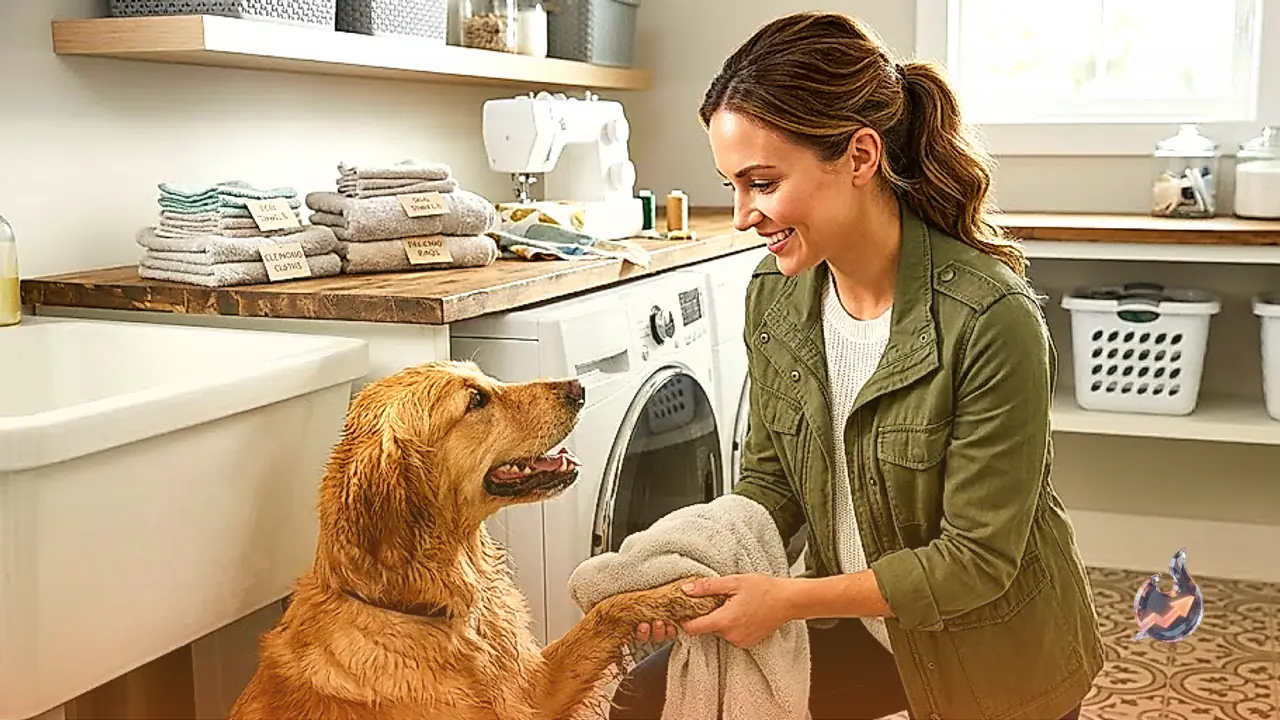
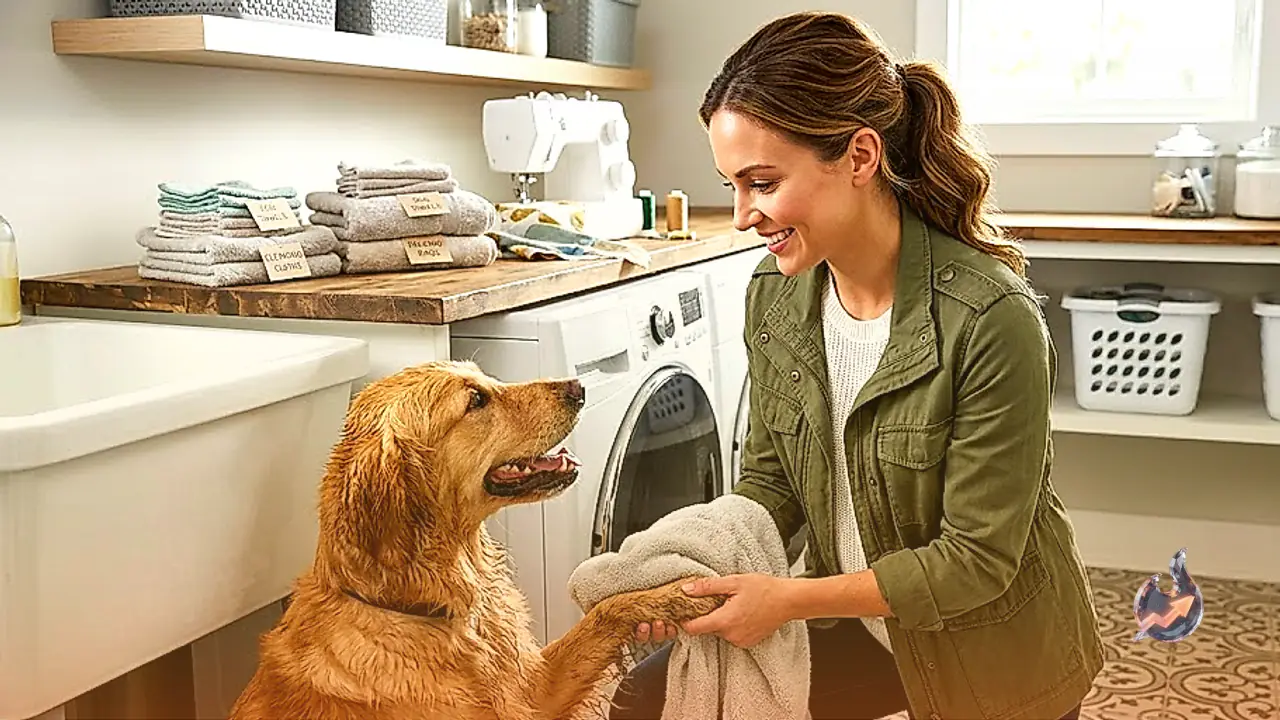
Pet owners can derive immense utility from retired bath linens when managing household dogs and cats. Keeping a designated towel near the front door provides a quick solution for drying muddy paws after walks in the rain, and it simplifies drying animals following a routine bath. Additionally, folding a soft towel inside a travel carrier or laying it across a sleeping basket offers a warm, comfortable temporary cushion for pets. These pet-specific linens should be washed routinely with hot water to keep dander and dirt in check.
Cushion Knees During Strenuous Gardening Tasks
Weeding garden beds, repotting flowering containers, and pruning low shrubbery often require kneeling against firm soil, gravel, or stone pathways for extended intervals. Folding a thick towel several times creates a soft, portable cushion that shields knee joints from hard pressure and jagged debris. When the outdoor work concludes, any collected soil can simply be shaken loose before washing the fabric for the next gardening session.
Shield Sensitive Garden Flora from Freezing Temperatures
During winter nights when temperatures fall sharply and frost threatens tender outdoor plants, lightweight retired towels can act as temporary thermal barriers. Draping the dry fabric loosely over vulnerable foliage safeguards sensitive stems from direct frost exposure and chilly drafts. It remains critical to remove the covering as soon as morning daylight arrives, ensuring the plant receives unobstructed sunlight and necessary airflow to sustain normal growth.
Stash an Emergency Utility Cloth in the Automobile
Tucking a folded older towel beneath a vehicle seat or inside the trunk provides immediate relief during unexpected roadside situations. It functions as a rapid tool for cleaning dirty hands, mopping up spilled travel drinks, or wiping muddy footwear before entering the cabin. Furthermore, laying the fabric across the upholstery shields car seats from water damage when transporting dripping rain umbrellas or soggy outdoor equipment during bad weather.