





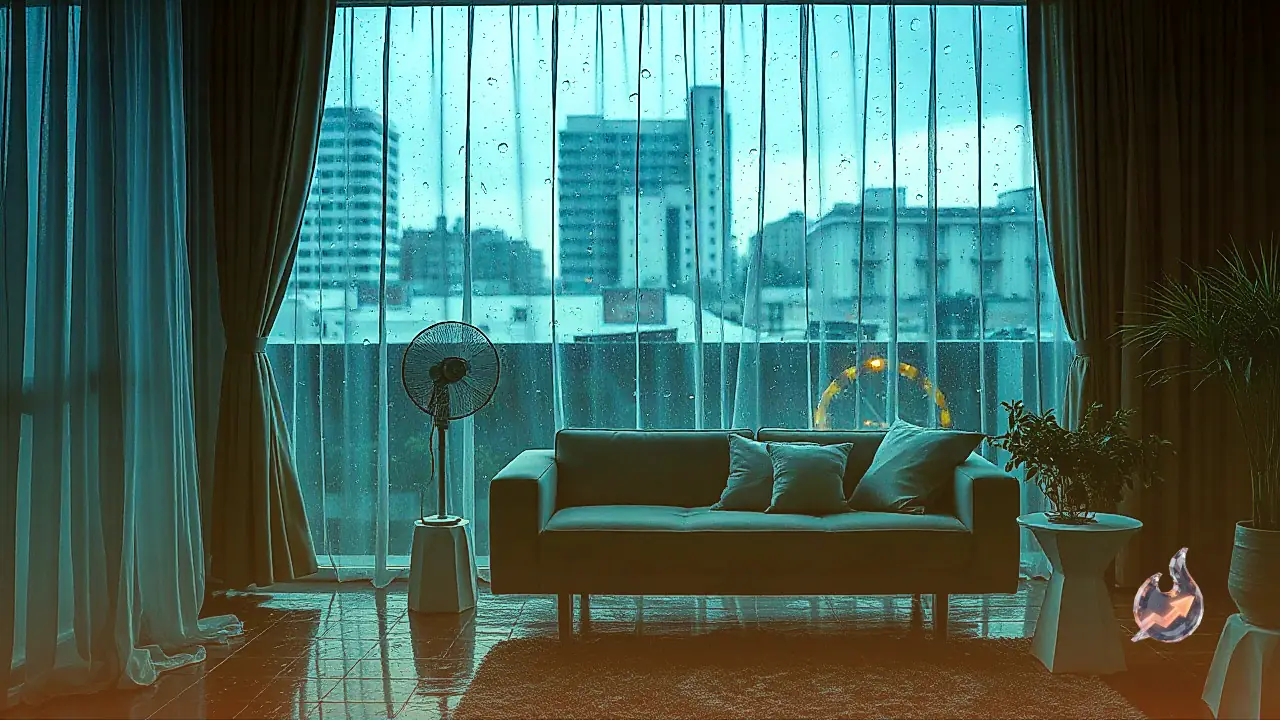


















The arrival of the monsoon season brings a welcome relief from scorching temperatures, but it also introduces unique challenges for household maintenance and laundry care. Washing heavy home textiles like dense window curtains, sofa slipcovers, and thick mattress covers becomes a formidable task when continuous rain prevents outdoor drying. In the absence of direct solar radiation and bright sunlight, residual moisture remains trapped deep within fabric weaves, leading to persistent damp smells and unpleasant odors. Merely soaking and washing these items in soapy water is insufficient during high-humidity months.
Properly drying heavy fabrics and expelling every bit of moisture is just as vital as the washing phase itself. Fortunately, adopting a few simple and strategic domestic techniques allows homeowners to maintain clean, fresh, and odor-free soft furnishings without relying on clear skies. Modifying your cleaning protocol slightly makes a significant difference in fabric hygiene during the wet season.
Pre-Cleaning Dust Extraction Before Washing
Plunging heavy curtains or sofa covers straight into a wash tub or laundry machine without prior preparation can backfire. Before immersing fabrics in water, take them outdoors and shake them vigorously to dislodge surface dirt. If a vacuum cleaner is available, use an upholstery attachment to draw out accumulated dust particles from the weave. This preliminary step prevents wash water from becoming excessively muddy and stops loose dirt from re-settling into the fibers during the wash cycle. For heavy drapery, this quick step protects fabric integrity and ensures a much cleaner outcome.
Regulating Detergent Dosages and Rinsing Thoroughly
A common misconception during monsoon laundering is that using extra detergent yields cleaner results. In reality, adding surplus soap causes more harm than good when drying conditions are poor. Excess detergent leaves soapy residues embedded in the fabric layers, which react with ambient humidity to produce a distinct, musty stench. Use only a measured, standard amount of washing powder or liquid detergent. Furthermore, prioritize a thorough final rinsing cycle so that every trace of soap foam is completely flushed out of the fabric before drying begins.
Effective Drying Techniques in the Absence of Sunlight
Rapidly removing standing water immediately after washing is the single most important factor for drying clothes in overcast weather. Never allow washed curtains or covers to sit submerged or wet in buckets for prolonged periods. Utilize the high-speed spin cycle on your washing machine to extract maximum water weight. However, if dealing with delicate, embroidered, or fine fabrics, reduce the spin speed to prevent structural damage or fabric tearing.
Once spun, hang the items in a well-ventilated zone with continuous airflow. Avoid bunching or overlapping heavy fabrics together; instead, spread them out individually across wide clothes horses or drying lines. Positioning drying racks near open windows or covered balcony spaces with active cross-breezes significantly accelerates moisture loss.
Leveraging Ceiling Fans and Exhaust Systems Indoors
When heavy rain makes outdoor or balcony drying impossible, set up an indoor drying station. Mount curtains and covers onto sturdy hangers or drying racks spaced widely apart. Switch on the ceiling fan so that direct air current flows over the fabric surface. Periodically flip and adjust the position of the garments to ensure even evaporation from both front and back surfaces. Additionally, running an exhaust fan in the room helps continuously pull out humid, moisture-laden indoor air, preventing atmospheric saturation and speeding up drying times.
Eliminating Odors with White Vinegar and Proper Storage
If fabrics already exhibit a stubborn, musty odor before washing, immediate drying post-wash is non-negotiable. Introducing a small quantity of white vinegar into the final rinse water works as a natural deodorizer, neutralizing trapped smells without harsh chemicals. Always review the fabric's care label prior to using additives. Crucially, never mix white vinegar with chlorine bleach, as combining these two substances produces dangerous toxic fumes.
Store washed items in closets or cupboards only after confirming they are 100 percent dry. Even microscopic traces of lingering dampness can trigger mold growth and sour odors within hours inside enclosed spaces. A widespread bad habit during monsoon is dumping wet curtains in a room corner with the intention of drying them later. This habit creates a ideal breeding environment for mildew. Promptly removing excess water and spreading fabrics in ventilated areas remains the best practice for fresh home textiles.