






















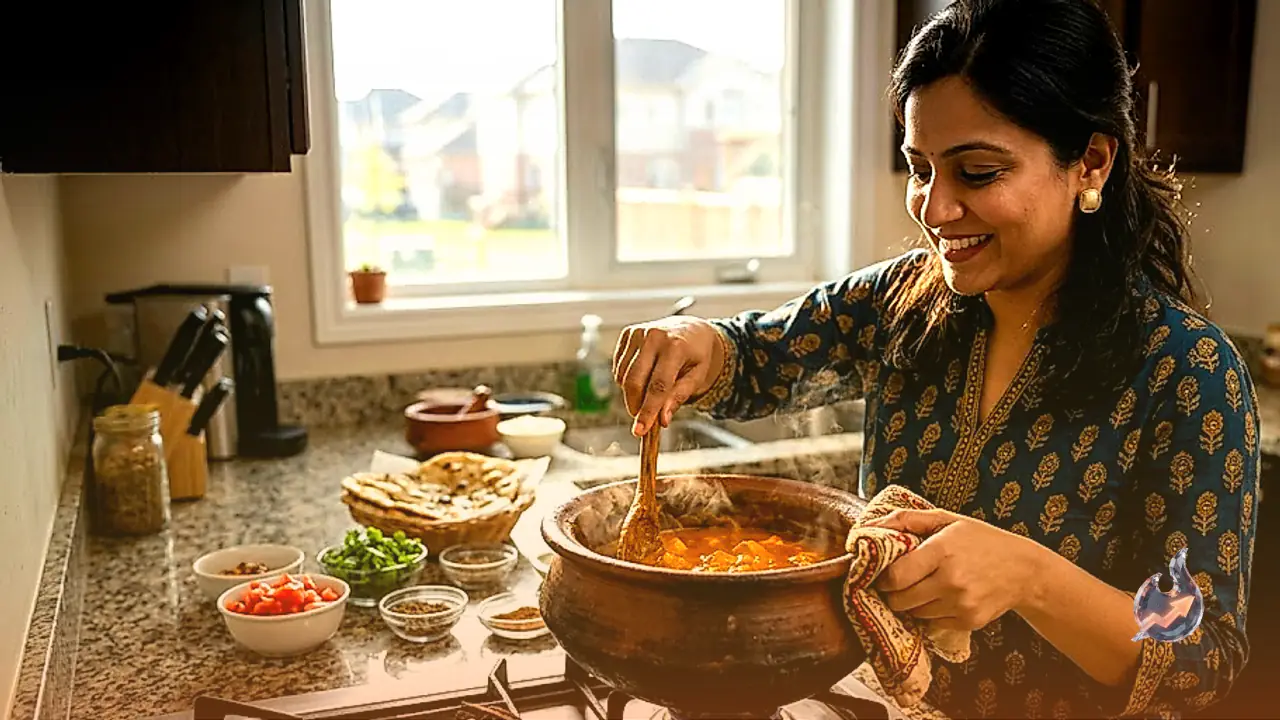

When looking to cook something refreshingly different for dinner without spending the entire day confined to the kitchen, experimenting with a clay pot delicacy can be a rewarding choice. For households where paneer remains a perpetual favorite, trying out a traditional clay pot preparation instead of standard butter masala or rich tomato gravies brings a welcome change. Cooked slowly over a gentle flame inside an earthen vessel, this rustic dish gains a distinctive earthy aroma and a deep, comforting flavor profile. As the paneer simmers alongside aromatic spices within the porous walls of the pot, it absorbs the rich gravy deeply. The best part of preparing this dish is that it requires no rare or hard-to-find ingredients to achieve authentic results.
A flavorful and satisfying gravy comes together easily using ordinary kitchen staples like onions, tomatoes, yogurt, and standard spice box powders. Dusting crushed fenugreek leaves and freshly chopped coriander on top right before serving enhances both the visual appeal and the fragrant finish. Pairing this rustic preparation with tandoori rotis, butter naans, or layered parathas instantly elevates an ordinary family meal into a dhaba-style feast.
Essential Ingredients Needed for Matka Paneer
Crafting this flavorful recipe begins with gathering 250 grams of paneer cut neatly into bite-sized square cubes. Additionally, keep ready two large onions, two tomatoes, a tablespoon of ginger-garlic paste, two green chilies, and three to four tablespoons of well-whisked curd. For building the aromatic base, assemble a bay leaf, one large black cardamom, two small green cardamom pods, a small stick of cinnamon, and four to five cloves. The spice selection requires a teaspoon of red chili powder, a teaspoon of coriander powder, half a teaspoon of turmeric powder, and half a teaspoon of garam masala. Round off the ingredient list with a tablespoon of kasuri methi, about three tablespoons of cooking oil or pure ghee, table salt to taste, and a handful of freshly chopped coriander leaves.
Step-by-Step Method for Cooking in an Earthen Pot
The cooking process begins by thoroughly cleaning and drying a traditional clay pot before use. Instead of placing the earthen vessel directly over a blazing stove, warm it up gradually over a low flame to prevent thermal shock. After roughly five minutes, add the cooking oil or pure ghee into the warmed pot. Working with pottery requires avoiding sudden, extreme temperature spikes at all times. Once the ghee heats up properly, introduce the bay leaf, black cardamom, green cardamom, cinnamon, and cloves. When the whole spices begin releasing their rich aroma into the air, toss in the finely chopped onions and sauté them until they turn a rich golden brown.
Following the browning of the onions, stir in the ginger-garlic paste along with the sliced green chilies. Allow these aromatics to cook for a minute or two before adding the turmeric, red chili powder, coriander powder, and salt, stirring everything thoroughly. Next, pour in the tomato puree or finely chopped tomatoes, letting the mixture simmer until it thickens completely and releases oil along the edges. Lower the heat further and introduce the whisked yogurt in small increments, stirring continuously to prevent the curd from splitting under heat. Adjust the consistency by adding a splash of water and bring the resulting gravy to a gentle simmer.
Sealing and Final Dum Cooking
Once the rich gravy reaches the desired consistency, gently fold in the paneer cubes along with the crushed kasuri methi. Exercise caution while mixing so the delicate cheese cubes remain intact without crumbling. Cover the clay pot securely with its lid and seal the outer edges tightly using wheat dough to trap the steam inside. Let the dish cook slowly on dum over a low flame for approximately 8 to 10 minutes. Turn off the heat source but leave the pot undisturbed for another five minutes to let the flavors meld. Carefully break open the seal, garnish with fresh coriander, and serve the hot clay pot delicacy immediately.
Ideal Pairings and Important Cooking Tips
This preparation pairs wonderfully with tandoori rotis, buttery naans, layered lachha parathas, or simple cumin-infused rice. Serving the dish directly in a smaller table-sized earthen pot enhances the rustic appeal during family dinners. Remember to avoid exposing clay cookware to sudden high flames and maintain a gentle temperature throughout the cooking process. Following these simple precautions turns an ordinary weeknight meal into a memorable culinary experience.